
MPR Reviews Three Legal Options for State Policy Guidelines, Including Constitutional Amendment
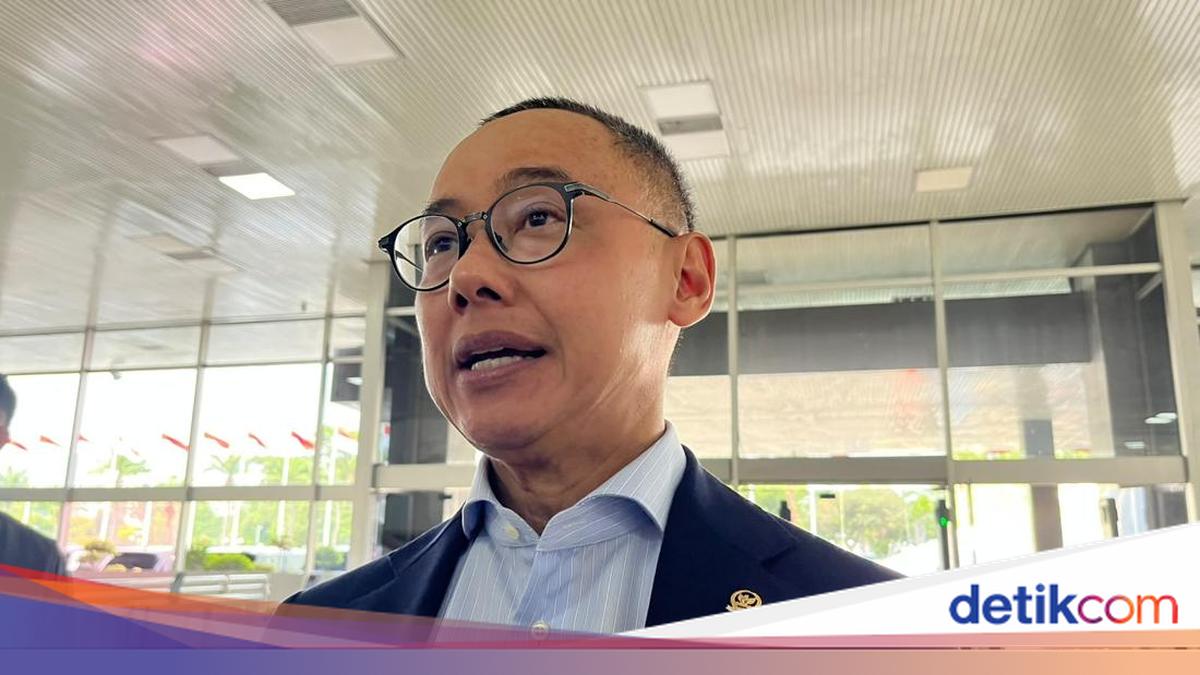
The People’s Consultative Assembly (MPR) is examining three legal options to serve as the legal foundation for the State Policy Guidelines (PPHN). Deputy Speaker Eddy Soeparno stated that these options have already been conveyed to President Prabowo Subianto. “Of course, the President wants us to first determine through which legal product the PPHN will become a valid legal instrument going forward,” Eddy said at the MPR building in Central Jakarta on Thursday (6/8/2026). He explained the options are through an amendment to the 1945 Constitution, an MPR Decree (Tap MPR), or a law. He noted that all three options remain open. “We presented the options, whether to amend the Constitution by including it as an article, secondly through an MPR Decree, thirdly through a law. That is it,” he stated. Eddy emphasised that the PPHN is crucial for the nation’s future development. He personally believes it is best regulated through a constitutional amendment. “But indeed, because this is a strategic direction for national development going forward, in terms of legal status, it is better regulated through an amendment to the Constitution, included within the Constitution, or through an MPR Decree,” he said. Eddy mentioned that discussions regarding the legal basis for the PPHN are ongoing. He said the MPR will determine the most appropriate legal basis. “Yesterday, in a joint meeting of the MPR with all factions plus the DPD group, it was discussed again and then referred back to the Review Body to study the most appropriate, constitutional, and binding legal form to enact this PPHN,” he stated. He argued that the highest legal product should form the basis of the PPHN to ensure it is not easily changed when the government changes. “So the legal product must be one that has a very high and strong level in the hierarchy of laws and regulations. If, for example, we enact it through a law, a law can certainly be brought to the Constitutional Court if there is a dispute regarding it, and even a subsequent head of state or government could make changes,” he explained. Eddy clarified that the PPHN will serve as a guide for national development but will not regulate electoral matters in detail. “This is also to straighten out the perception that the PPHN will not regulate detailed matters because it is essentially a grand legal framework. So it only provides very general, broad guidance on, for example, the development of our democratic life going forward. It will not touch on technical, detailed matters because those will be stipulated in laws,” he said. “Democratic politics is included, but we only regulate the broad outlines. There is nothing written about whether elections are open or closed, or whether electoral districts are reduced or added,” he added.