
MPR pushes constitutional culture development through amendment minutes
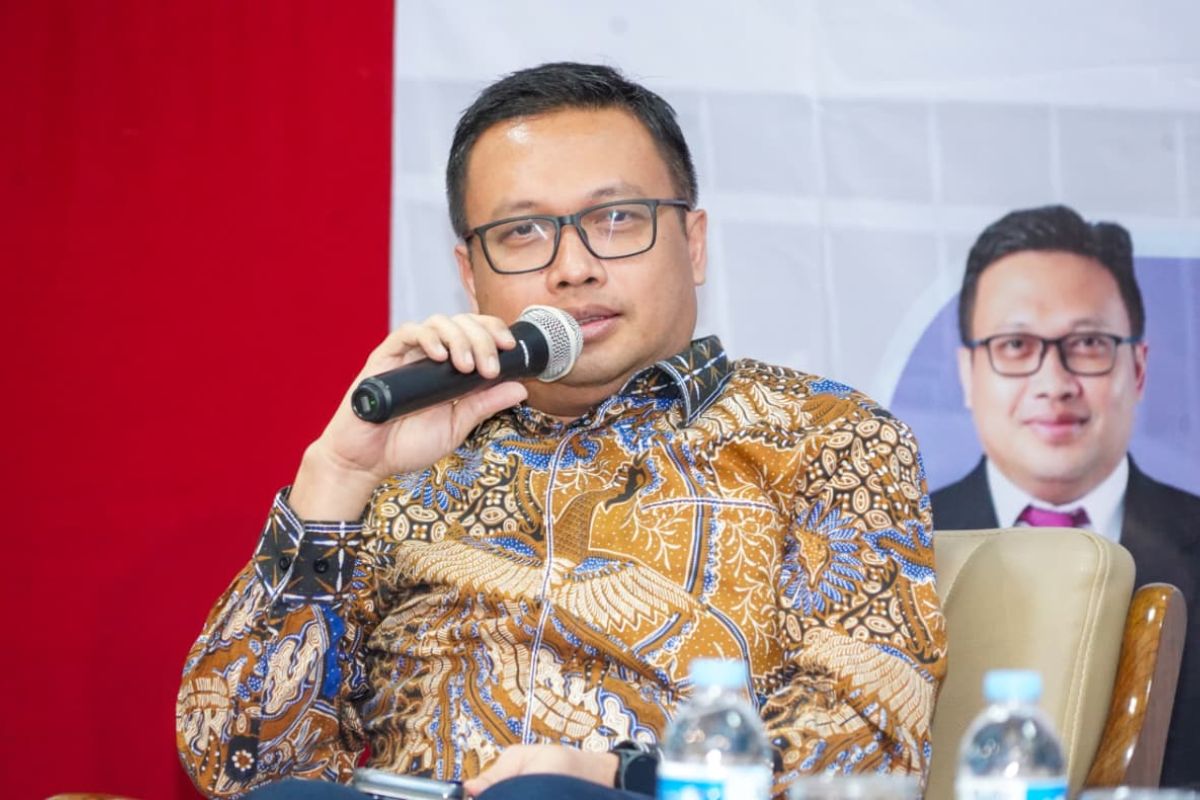
The People’s Consultative Assembly of the Republic of Indonesia (MPR RI) is encouraging the development of a constitutional culture through the optimal utilisation of archives and minutes from the amendments to the 1945 Constitution of the Republic of Indonesia (UUD NRI).
Wachid Nugroho, Head of the MPR RI’s Bureau for Session Affairs and Constitutional Dissemination, stated that the session minutes and constitutional documents held by the MPR are a valuable asset that can be used as a source of knowledge and academic reference. “This is one of the MPR’s institutional footprints that I believe needs to be revived. The minutes must become administrative legal documents that have value and sustainability, not just documents that are finished and then simply disappear,” he said in a written statement received in Jakarta on Monday.
In connection with this, the Secretariat General of the MPR RI and the Faculty of Law at Atma Jaya University Yogyakarta held a discussion titled “Positioning the Minutes of the 1945 Constitution Amendments as a Constitutional Reference: Unravelling the Meaning of the Constitution in Legal Review and Academic Study” in Yogyakarta. The event featured speakers from academic circles and constitutional law practitioners to discuss the position and relevance of the minutes of the 1945 Constitution amendments in Indonesia’s constitutional development, particularly as a reference source for constitutional interpretation.
According to Wachid, this discussion is part of the MPR’s institutional transformation efforts and the strengthening of its constitutional documentation function. He explained that the comprehensive text of the 1945 Constitution amendments has now become one of the main references for academics and legal practitioners in understanding the constitutional amendment process. Therefore, a more in-depth discussion is needed to reposition the session minutes within Indonesia’s legal and constitutional framework.
He said the MPR RI possesses various important archives, ranging from documents of the Provisional People’s Consultative Assembly (MPRS) and the MPR to the Constituent Assembly minutes, which have the potential to be developed into a national centre for constitutional documentation and literacy. “We have the imagination and aspiration to build a kind of constitutional literacy centre containing important state administrative archives. Many valuable documents actually exist, but are not yet widely known by the public or academic circles,” he said.
Wachid noted that the existence of authentic constitutional documents is becoming increasingly important amidst the challenges of the post-truth era, when circulating information often causes confusion regarding facts and truth. “In the post-truth era, we need valid and original documents. This becomes an entry point to actualise the MPR’s role so that its institutional output is more visible through the management and utilisation of the minutes,” he said.
Meanwhile, Prof Theresia Anita Christiani, Dean of the Faculty of Law at Atma Jaya University Yogyakarta, welcomed the academic event and emphasised the importance of reviving constitutional awareness amidst the dynamics of national and state life. “This topic is very relevant to the current situation, where we are reminded again to always make the 1945 Constitution the constitutional foundation in carrying out state life in Indonesia,” she said. Theresia expressed hope that the cooperation with the MPR RI can continue to be developed through various other academic activities that provide benefits for the development of legal and constitutional science in Indonesia.