
MPR Member Atalia Praratya Says Gen Z Is the Most Active Reading Generation
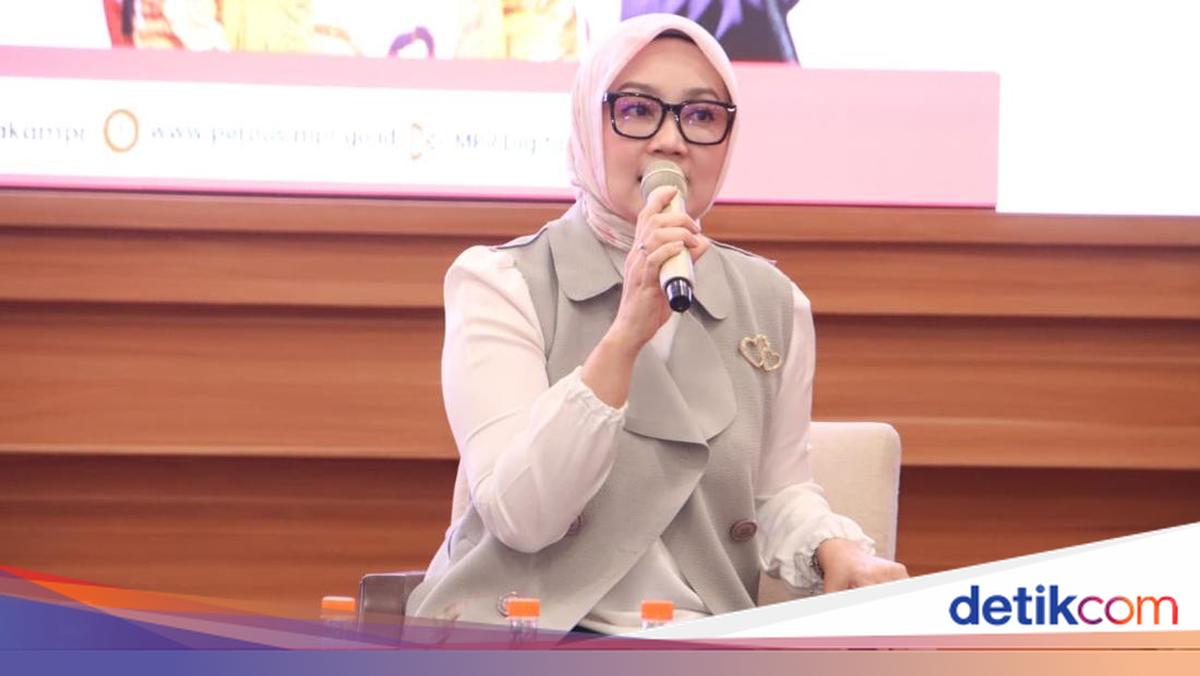
Member of the Indonesian People’s Consultative Assembly (MPR) Atalia Praratya has revealed that Generation Z is the most active reading generation compared to Millennials or Generation X. This comes despite the common assumption that Gen Z tends to prefer short, visual, and to-the-point information. “Results from a Jakpat survey show that Gen Z is the most active reading generation,” Atalia said in a statement on Tuesday (23/6/2026). The statement was made during a library seminar themed ‘Perpustakaan Tanpa Batas: Gen Z Suka Baca Ga Sih?’ at Widyatama University, Bandung, on Monday (22/6). The seminar was a collaboration between the MPR Library and the Library and Information Science Study Programme at Widyatama University, featuring speakers such as Narabahasa CEO Ivan Razela Lanin and Head of the Library and Information Science Study Programme Haria Saputry Wahyuni. Citing the Jakpat survey, Atalia disclosed that the reading activity percentage for Gen Z reached 26%, higher than Millennials at 20% and Gen X at 18%. The types of reading materials favoured by Gen Z include articles from online portals, physical books, and e-books. Atalia explained that Gen Z, born between 1997 and 2012, makes up 24.93% of the population, making it the largest generation in Indonesia, ahead of Millennials born 1981-1996 (24.34%) and baby boomers (10.31%). “Gen Z is a generation that grew up with the internet and technology. They adapt quickly, access information instantly, are critical of social issues, and possess independent, creative, and collaborative characters in learning and creating,” she explained. To attract Gen Z’s reading interest, Atalia suggested transforming libraries into ‘knowledge hubs’ for gathering and creating. She noted that many Gen Z individuals seek places to study, discuss, create content, and network. “Libraries can be turned into free co-working spaces, community rooms, public discussion spaces, simple podcast studios, and video editing rooms,” said Atalia. She also hopes libraries will establish a presence on platforms used by Gen Z, such as TikTok, Instagram Reels, and YouTube Shorts. Libraries must also expand their collections to be relevant and current, as Gen Z does not always learn from books; they learn from podcasts, educational videos, e-books, journals, infographics, and newsletters. “So the image to build is the library as a space for idea exploration,” she said. Echoing Atalia, second speaker Ivan Razela Lanin agreed that Gen Z is an active reading generation. “Gen Z is not shying away from reading,” Ivan stated. Besides citing the Jakpat survey, Ivan also referenced data from the Central Statistics Agency (BPS) showing the Reading Interest Index (TGM) rose from 66.7 in 2023 to 72.44 in 2024, and GoodStats data from 2024 indicating 84.7% of Gen Z respondents claimed to enjoy reading books. Ivan further argued that being a reader is not about facilities but about identity. Reading habits are built from self-identity, not from book collections. “I read because I decided that I am a person who reads,” he said. Therefore, the task of libraries is to help people build that identity, not merely to provide bookshelves. “Libraries need to become places that make people want to become readers,” he stated. Meanwhile, Haria Saputry highlighted Gen Z’s reading interest through data such as the 2024 National TGM Index, the rise of BookTok and Bookstagram as new identity symbols, and the trend of aesthetic and comfortable ‘cafe libraries’ boosting visits and literacy interest. Offering a different perspective, Haria focused on literacy among Gen Z as a form of stress therapy. According to Haria, one characteristic of Gen Z is a tendency to feel anxiety. Reading, on the other hand, calms the heart and regulates heartbeat. In this context, reading or literacy becomes a stress therapy for vulnerable Gen Z members. “Sorting information can be key to mental health. Reading fiction can increase empathy and reduce anxiety, slow reading trains focus, patience, and the ability to sit with discomfort, and a quiet reading room is a natural response to digital fatigue,” she said. Representing MPR Acting Secretary General Siti Fauziah, Head of News and Inter-Institutional Relations Rosando stated that the MPR Library is currently being developed into a constitutional literacy centre. Rosando added that the MPR is socialising its library as a constitutional literacy hub and hopes for support from various parties, including universities. “The MPR Library is a special library. The history of democracy and the constitution resides in the MPR. We are digitising the MPR Library’s collection, particularly those related to MPR legal products, so the public can access them easily,” he concluded.