
MPR Leadership Optimistic About Indonesia's Economic Growth Above 5 Percent
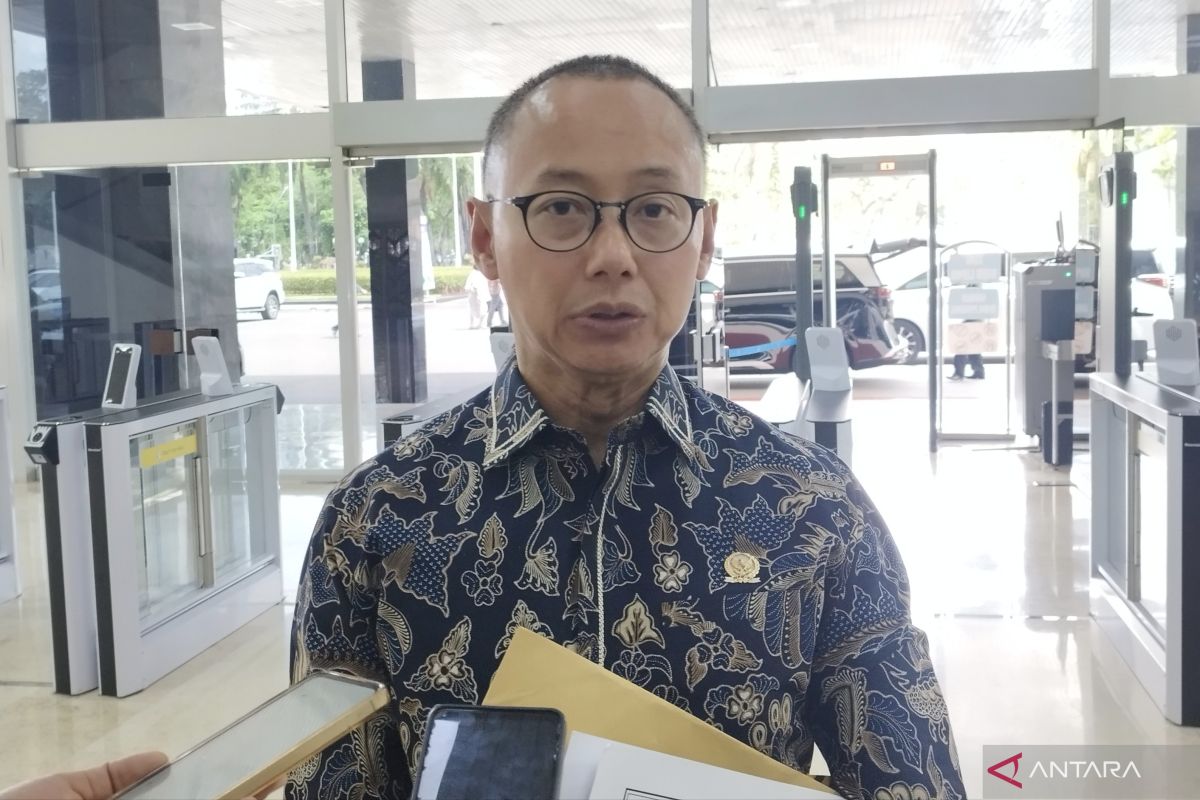
Jakarta (ANTARA) - Deputy Speaker of the MPR Eddy Soeparno stated that Indonesia’s economic condition remains strong to achieve economic growth above 5 percent this year, even as global economic growth is disrupted by the conflict in the Middle East. “Indeed, all countries in the world will be affected by the war in the Middle East that has not yet ended. Global economic growth will certainly be disrupted because the energy supply chain is severely affected,” said Eddy in his statement in Jakarta on Monday. This was conveyed by Eddy Soeparno in response to Bank Indonesia’s projection report, which forecasts Indonesia’s economic growth at only 4.7 percent in 2026, lower than the government’s target of 5.4 percent. Eddy stated that one of the supporting factors for Indonesia’s economic growth is the export of natural resources. “Unlike other countries, Indonesia is also an exporter of natural resources such as coal, palm oil, nickel, tin, and others, which have experienced significant price appreciations,” he said. Eddy also conveyed that Indonesia is relatively self-sufficient in terms of electricity supply, with power to the industrial, commercial, and household sectors unlikely to be disrupted by import constraints on oil and gas and fuel, as Indonesia uses domestic coal and gas for the power generation sector. “Unlike, for example, Singapore, Japan, Korea, or other countries that require imports of gas and coal to avoid power outages in their respective nations,” said Eddy. However, Eddy did not deny that the fiscal space in the state budget is currently quite tight. According to him, amid the rise in fuel prices that are vital for the national economy, particularly the industrial, transportation, and household sectors, the finance minister needs to be very careful in budget allocation to maintain public purchasing power and economic growth. “Finally, we also need to anticipate even higher price increases for raw materials like plastics and fertilisers, which will cause food and processed food prices to surge. If fertiliser prices rise, the prices of rice and vegetables will automatically adjust,” he said. According to him, if plastic prices continue to skyrocket, the prices of instant noodles, bottled drinking water, household goods such as buckets, water hoses, cooking utensils, and others will also become more expensive. Eddy believes that in the current disrupted global economic conditions, the government will continue to strive for strong social buffers for those in need and control inflation so that public consumption is not disrupted. “I also invite the public to participate in saving the use of subsidised energy, for example, so that these savings can then be allocated to our brothers and sisters who need it more,” he concluded.