
MPR Leadership: Integrity Values Must Be Instilled from an Early Age
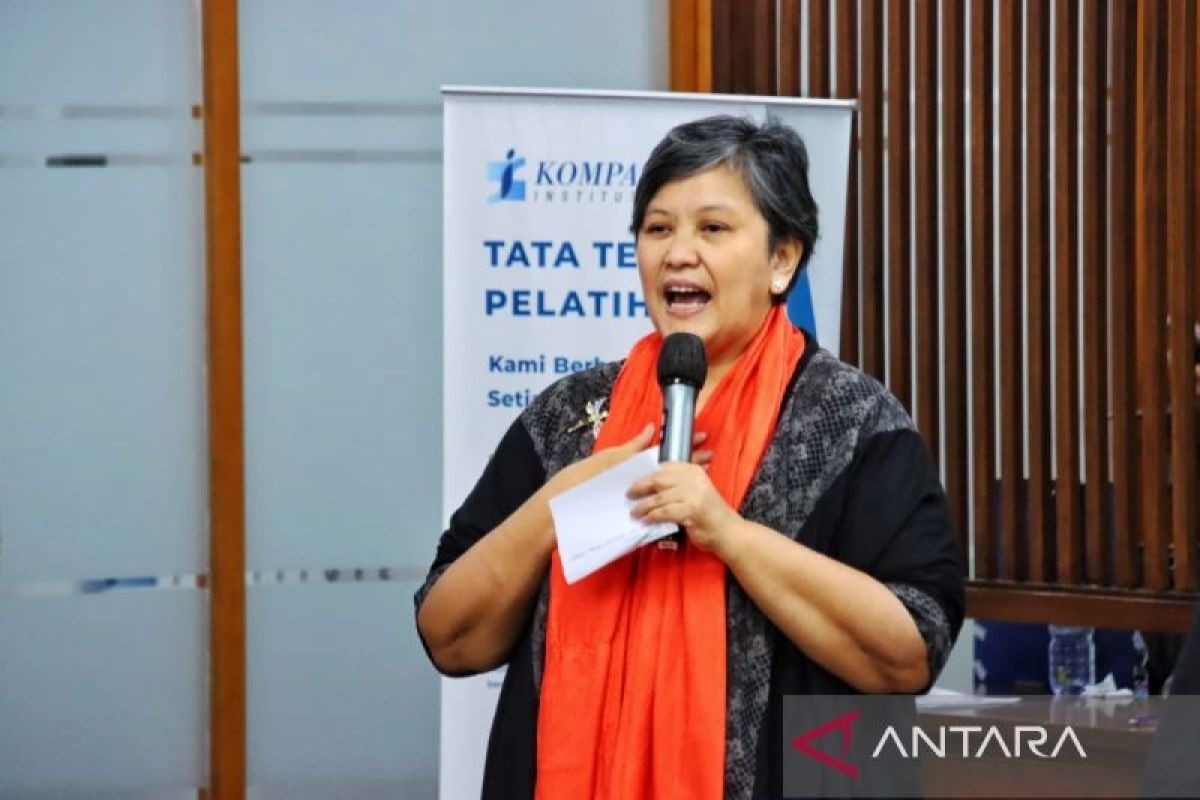
Jakarta (ANTARA) - The Deputy Speaker of the MPR RI, Lestari Moerdijat, emphasised that efforts to prevent corruption in the education sector cannot rely solely on circular letters and supervision. According to her, anti-corruption character and the prioritisation of integrity must be instilled from an early age.
“Instilling integrity values from an early age is the primary foundation for building the character of the nation’s children, which is a key part of anti-corruption prevention efforts,” Lestari stated in Jakarta on Monday.
The issuance of the Corruption Eradication Commission (KPK) Circular Letter Number 7 of 2026 regarding Corruption Prevention and Gratification Control in the New Student Admission System (SPMB) has received appreciation from various parties. Lestari noted that the circular is an important step, as it prohibits practices such as illegal levies, ‘entrusted’ students, residency manipulation, and gratification.
The KPK has also warned that fraudulent practices in student admissions could erode educational values. However, Lestari, affectionately known as Rerie, believes these measures are insufficient. Corruption prevention in education must be built from the roots by establishing integrity as a fundamental character trait from childhood.
Data from the KPK highlights significant challenges. The 2024 Education Integrity Assessment Survey (SPI) recorded an integrity index for the education sector of only 69.50 out of 100. This achievement suggests that while integrity systems are beginning to form, they have not yet become a consistent culture. Records from the same agency reveal that 28 per cent of schools still collect illegal fees during the New Student Admission (PPDB) process. Furthermore, 23 per cent of schools turn a blind eye to fraud in certification and accreditation processes.
At the parental level, 65 per cent of respondents still consider it normal to give gifts to teachers on certain occasions, while 30 per cent of educators view gratification as a common occurrence. The member of Commission X of the DPR RI argued that families and educational institutions must instil integrity values during a child’s development and learning process. Without integrity, parenting and education systems will only produce graduates who are academically intelligent but morally fragile. She reminded that the implementation of anti-corruption education must be substantive, rather than merely ceremonial. With a strong foundation of integrity from an early age, Rerie asserted, children will grow into a generation that is not only academically bright but also possesses a resilient character that rejects all forms of fraud.