
MPR leadership: Inclusive education requires real commitment from all parties
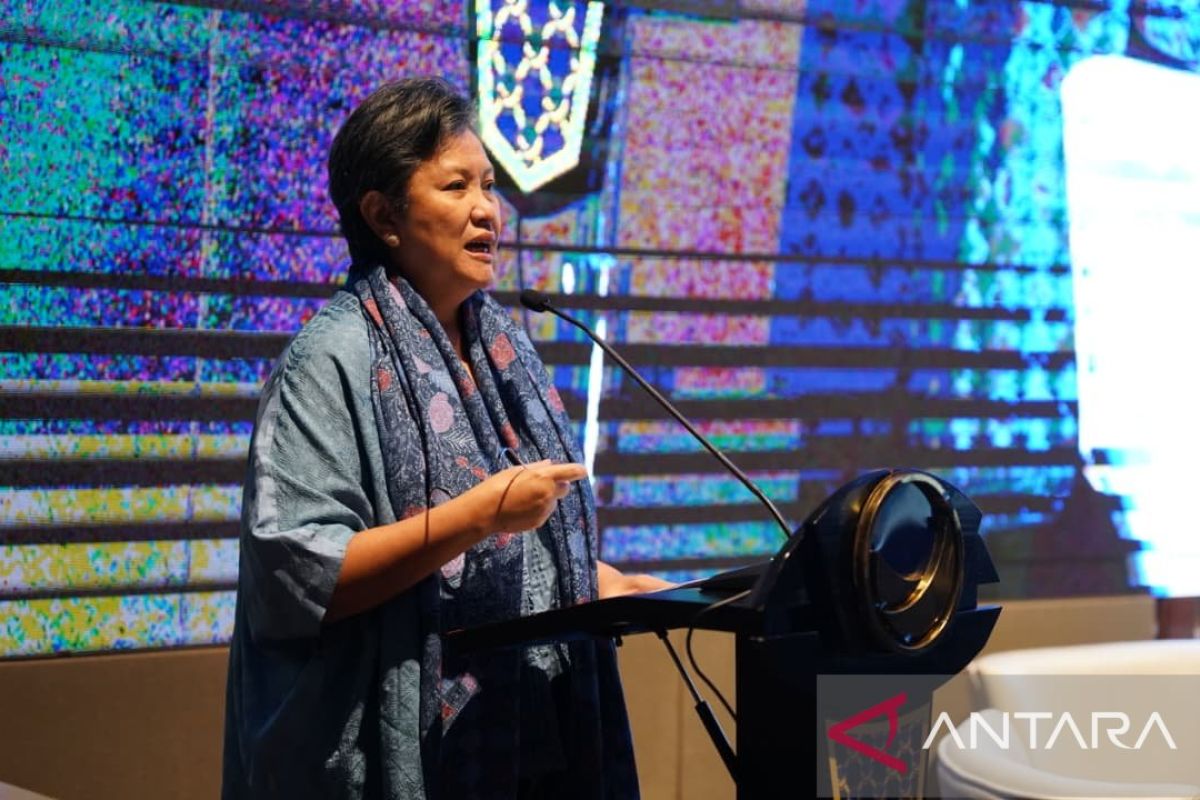
Deputy Speaker of the Indonesian People’s Consultative Assembly (MPR RI) Lestari Moerdijat has stressed that the concept of inclusive education must be understood as a system capable of reaching all segments of society without exception, including persons with disabilities.
“The main principle of inclusive education is that no child should be left behind or be unable to receive an education due to conditions beyond their control,” Lestari said in a statement in Jakarta on Monday.
Rerie, as Lestari is familiarly known, said Indonesia already has a strong regulatory foundation, such as Law Number 8 of 2016 on Persons with Disabilities, which encourages an honest evaluation of the policy’s implementation on the ground. However, she highlighted that access gaps remain, especially for vulnerable groups.
Data from the National Commission on Disabilities (KND) as of October 2025 recorded that only 4.3 percent of persons with disabilities have received an education, with an average length of schooling of just 5.32 years. Meanwhile, 78 percent of them are no longer in school.
“Inclusive education is not merely about opening school doors, but about ensuring every child has an equal opportunity to learn and develop. That is the meaning of social justice,” said the legislator from Central Java Electoral District II.
Rerie, who is also a member of House of Representatives Commission X, said that to address these challenges, the shortage of teaching resources must be tackled immediately.
Data from the Ministry of Primary and Secondary Education as of September 2025 recorded that out of 363,921 students with disabilities, only about 15 percent of inclusive education provider units (SPPI) have a Special Guidance Teacher (GPK).
In addition, Rerie stressed, disparities in access between education levels must also be addressed. Data as of 29 June 2026 shows that 217,378 students with disabilities are already integrated into regular schools, and 164,150 others are in special schools (SLB).
Nevertheless, participation rates in higher education remain low, with 3,128 students with disabilities recorded across 282 universities.
Rerie argued that fulfilling the rights of persons with disabilities requires strong commitment from all parties.
The ongoing revision of the National Education System Law, she asserted, must be optimally utilised to find comprehensive solutions to these challenges.
“We need to reformulate the indicators of educational success, not only focusing on graduation rates, but also on the system’s ability to accommodate those who face barriers,” Rerie said.