
MPR: Human Trafficking Law needs revision to protect Indonesian migrant workers
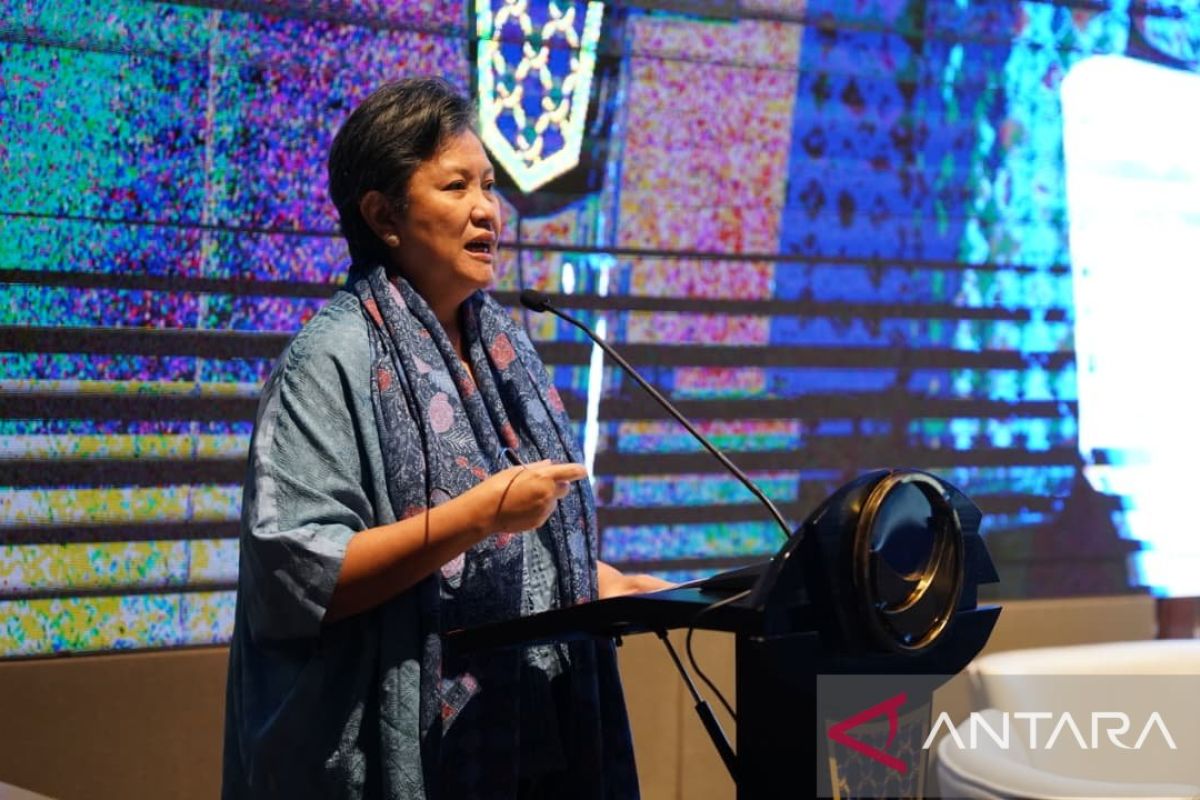
Deputy Speaker of the People’s Consultative Assembly (MPR RI) Lestari Moerdijat has stated that Law Number 21 of 2007 on the Eradication of the Criminal Act of Trafficking in Persons (TPPO) needs to be revised to improve protection for Indonesian migrant workers and to strengthen its governance.
According to her, comprehensive and concrete measures are needed to tackle the increasingly sophisticated practice of human trafficking that threatens every citizen.
“Comprehensive protection must be realised and must reach the grassroots level. In addition, the TPPO Law must be revised immediately to strengthen the governance of Indonesian migrant workers,” Lestari said in a written statement received in Jakarta on Wednesday.
She said the current TPPO Law is no longer able to keep pace with the evolution of the crime.
According to Rerie, as she is familiarly known, human trafficking has now transformed into a white-collar crime and a transnational cyber industry operating through corporate structures.
She also revealed that based on data from the International Organization for Migration (IOM) for 2026, there were 2,908 reported victims of human trafficking in Indonesia, the majority of whom were women and children.
“The TPPO Law still focuses on post-incident criminal instruments and has not yet addressed the sociocultural roots. Yet the current trafficking ecosystem is driven by transnational corporations,” she said.
In addition, Rerie added that the governance of Indonesian migrant workers also requires the integration of cross-border cyber patrol surveillance, as conventional instruments are not designed to counter algorithmic operations.
Meanwhile, Chairman of House Commission XIII Willy Aditya argued that cases of modern slavery are never fully resolved. Even in a large country like the United States, the crime of human trafficking continues to occur.
According to Willy, human trafficking is a highly organised crime, which makes it easy for perpetrators to isolate their victims.
He said the crime involves multiple layers of authority, from the village level, regional government, immigration, police, and various layers of stakeholders.
“This must be addressed through a collective movement of every citizen and a strong TPPO Law as a tool to tackle the crime of human trafficking that continues to occur,” Willy said.