
MPR encourages national archives to become contextual history teaching materials
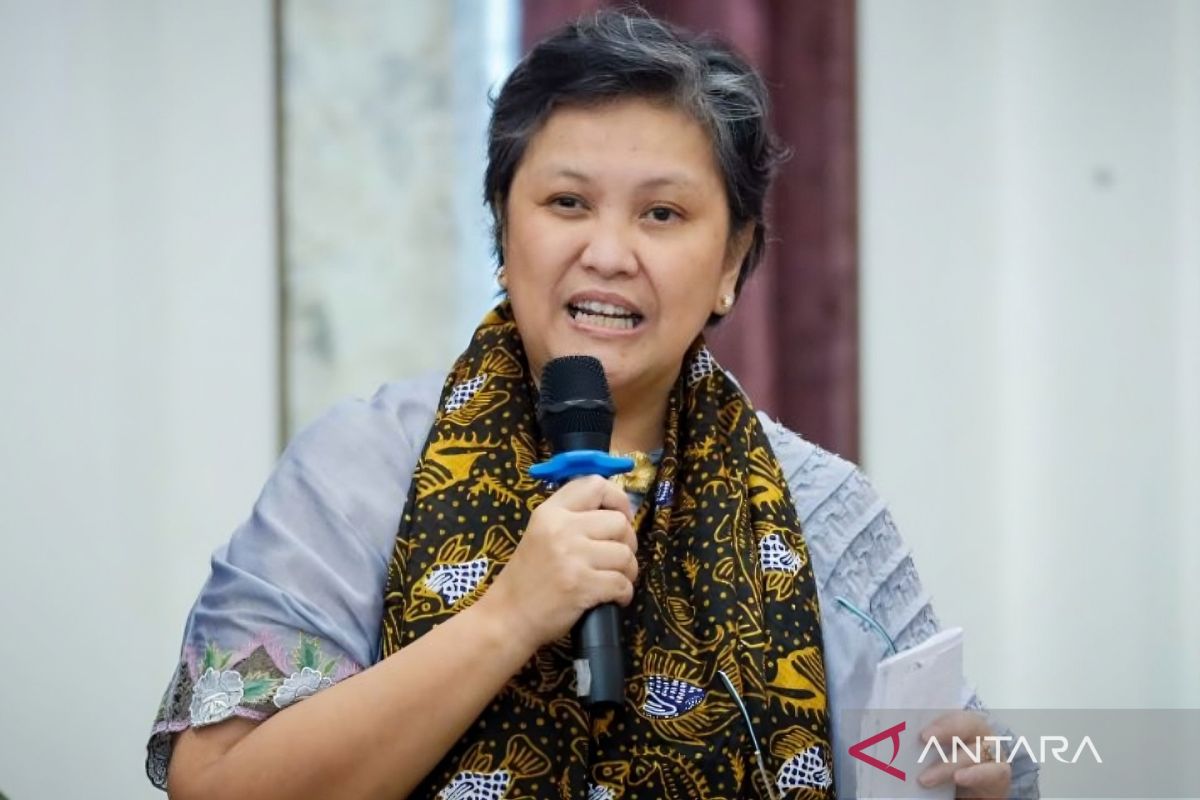
Deputy Speaker of the People’s Consultative Assembly (MPR) Lestari Moerdijat has urged greater use of national archives as living, contextual history learning materials to strengthen the nation’s collective memory while also addressing future challenges.
“Archives play an extraordinary role in uncovering various facts from the past. The wealth of national archives must not be viewed merely as documents stored on shelves, but rather as knowledge that can be widely accessed by the public, especially as an authentic source of learning,” Lestari said in a written statement in Jakarta on Friday.
The call was made following the signing of a Memorandum of Understanding between the Ministry of Primary and Secondary Education (Kemendikdasmen) and the National Archives of the Republic of Indonesia (ANRI) by Minister of Primary and Secondary Education Abdul Mu’ti in Jakarta on Thursday (27/8).
The cooperation was also marked by the handover of static archives from Kemendikdasmen, including the text of the minister’s national statement at the 43rd UNESCO General Conference.
According to Rerie, as Lestari Moerdijat is affectionately known, the cooperation between Kemendikdasmen and ANRI represents a strategic momentum to integrate archives into history learning so that the materials used have authentic documentary sources.
Rerie, who is also a member of Commission X of the Indonesian House of Representatives (DPR RI), added that strengthening collective memory through archives is important for building historical understanding while preparing future generations to face upcoming challenges.
She referred to ANRI records from 2025 showing that the archive management score for Kemendikdasmen reached 98.14, while the archive digitalisation rate reached 98.09.
According to her, these achievements provide a foundation for expanding the use of archives in learning with packaging that is more accessible and relevant for the younger generation.
Rerie encouraged similar collaboration to be extended to other ministries and institutions so that the wealth of government archives can be utilised as a source of public knowledge.
She is optimistic that creative management and presentation of archives can turn them into “living documents” that not only record the past but also serve as a source of inspiration and character building for the nation’s future generations.
“The use of strong historical sources is necessary so that the public does not continually debate the history of their own nation without adequate documentary basis. With archives, we build civilisation,” she said.