
MPR Deputy Urges Protection of Basic Rights for Green Batik Industry Workers
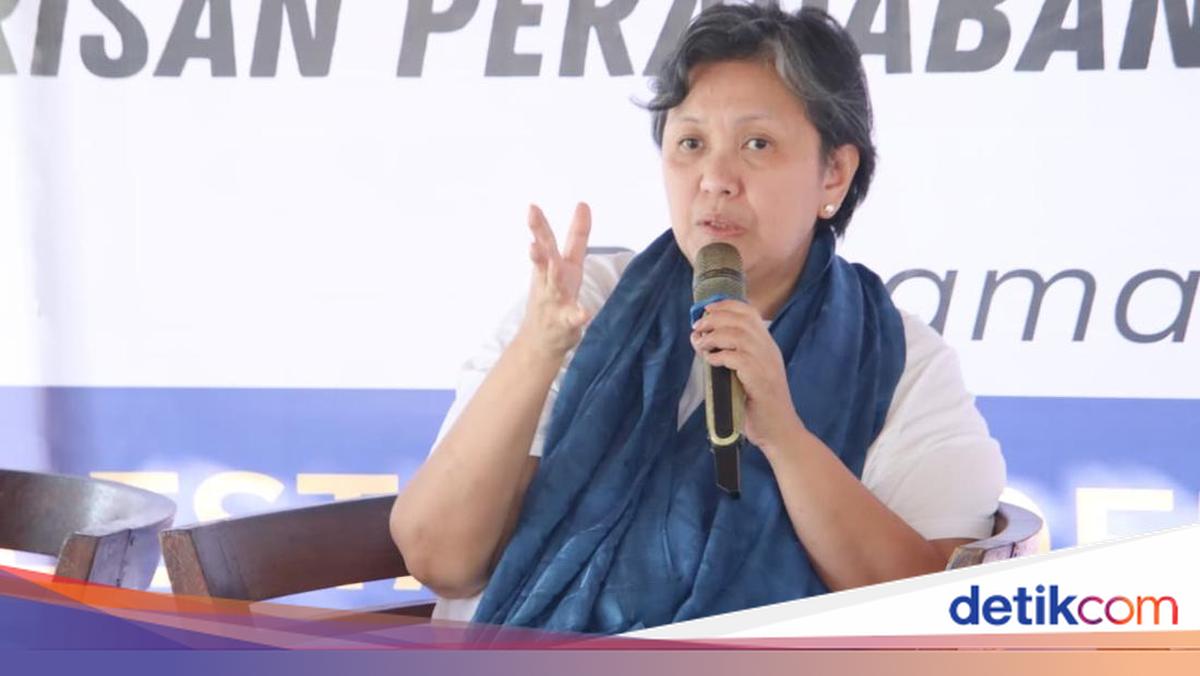
The Deputy Speaker of the MPR, Lestari Moerdijat (Rerie), stated that the national batik industry continues to record positive performance in the global market. However, female workers, who serve as the backbone of sustainable fashion production such as batik, remain trapped in a system of stagnant wages and increasing workloads.
“The growth of sustainable fashion production, such as batik, has not yet had a positive impact on the wages of workers, the majority of whom are women,” said Rerie in a written statement on Wednesday (16/09).
Data from the Ministry of Industry notes that the value of national batik exports in 2025 reached US$30.62 million, a growth of 13.03% compared to the previous year. The trend of batik, which relies on environmentally friendly processes and utilises natural dyes, is essentially in line with global sustainable fashion demands.
However, these processes have created new complexities in production spaces, as longer production stages increase the burden on workers. Research shows that this additional workload does not correlate positively with an escalation in workers’ wages.
Rerie emphasised that protecting worker welfare is not merely an economic policy, but a constitutional mandate. She also encouraged the creation of a holistic integration between environmental conservation, the preservation of cultural heritage, and the guarantee of basic rights protection for workers within the green batik industry.
“The ‘green’ and ‘sustainable’ labels in the batik industry will lose their ethical meaning if, behind them, there is still a workforce without equitable compensation,” said Rerie.
These remarks were made by Rerie during an online discussion themed ‘Green Batik and Justice for Female Workers: Uniting Environmental, Cultural, and Welfare Agendas.’
The discussion was moderated by the Special Staff to the Deputy Speaker of the MPR RI, Eva Kusuma Sundari, and featured several speakers, including the Expert Staff for Social Politics and Public Policy of the Ministry of Manpower of the Republic of Indonesia, Agus Triyono; IPB Professor Anas Miftah Fauzi, M.Eng.; and Senior Economist at the Institute for Development of Economics and Finance (INDEF), Dr. Aviliani. Chandra Kirana Prijosusilo, the founder of the NGO Sekar Kawung and a sustainable batik practitioner, also participated as a commentator.