
MPR Deputy Speaker Welcomes Domestic Workers Law and Care Economy Roadmap as Reflection of Pancasila
The ratification of the Domestic Worker Protection Law (UU PPRT) and the formulation of the 2025-2045 Care Economy Roadmap are regarded as new milestones in the transformation of Indonesia’s public policy towards greater inclusivity.
Lestari Moerdijat, Deputy Chair of the MPR RI, views both regulations as a reinterpretation of national values within modern policy. She noted that the passage of the UU PPRlar on 21 April 2026 brings fundamental change, as the regulation legally transforms domestic work—previously considered informal and private—into a structured pillar of the care economy.
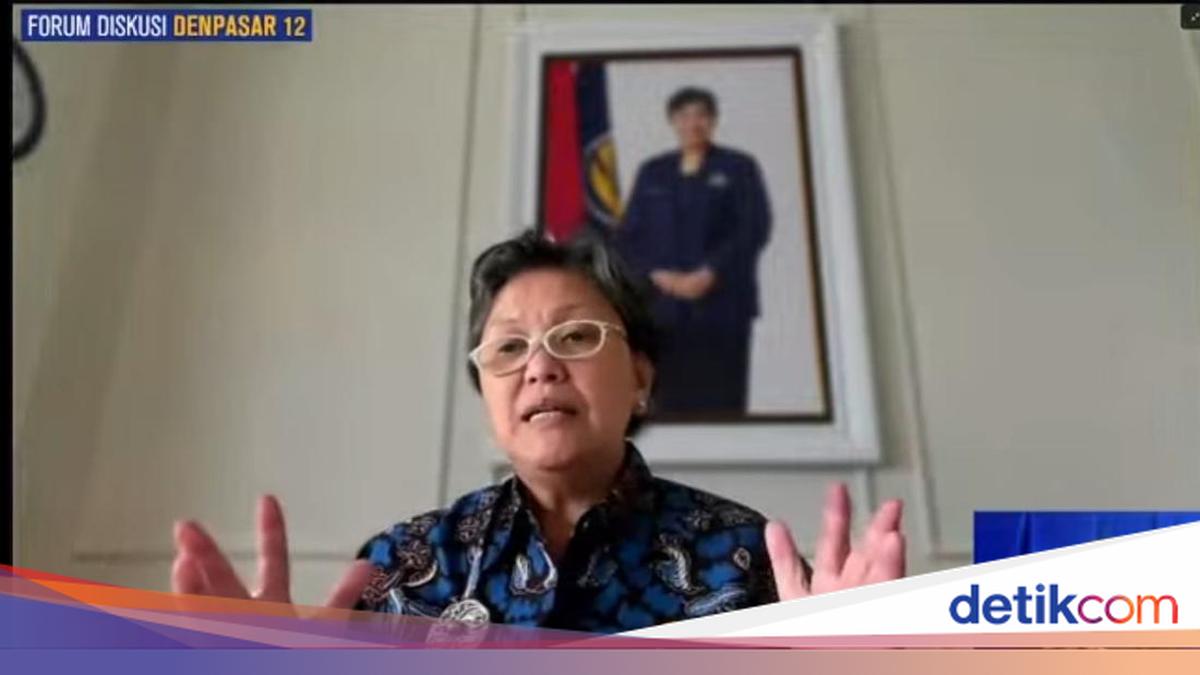
“Ideologically, fulfilling the rights of domestic workers reflects the practice of the second principle of Pancasila to humanise workers, as well as the fifth principle in distributing gender and economic justice for marginalised groups,” stated Moerdijat during an online discussion held by the Denpasar 12 Discussion Forum on Wednesday.
She added that using the 2026 UU PPRT framework as a foundation, the strengthening of the care economy structure will be carried out comprehensively through a four-pillar approach: recognition, redistribution, reduction, and reward. This effort aims to shift the ethos of ‘gotong royong’ (mutual cooperation) from a cultural-informal practice to a systemic one, under the shared responsibility of the state, the private sector, and society.
Furthermore, the government, through Bappenas, has integrated the strengthening of the care economy sector into the 2025-2045 Care Economy Roadmap. This step is intended to anticipate the surge in dependency burdens caused by the phenomenon of an ageing population.
“This formalisation positions care work, such as childcare and elderly care, as a strategic investment. It is not merely domestic work, but a vital part of maintaining national macroeconomic sustainability and productivity,” emphasised the member of the MPR.
Pungkas Bahjuri Ali, Deputy for Human Development and Culture at the Ministry of PPN/Bappable, revealed that Indonesia holds the ‘Golden Indonesia 2045’ vision to escape the middle-income trap, requiring economic growth of 6%-7%. He noted that one way to achieve this target is through the care economy sector, as Indonesia’s population will age significantly by 2045, necessitating increased care services.
Policy directions for the care economy include strengthening human resource development, science, technology, education, health, and the empowerment of women, youth, and persons with disabilities. The presence of the UU PPRT will also strengthen statistical data regarding domestic workers, which can drive the growth of the care economy.
Amurwani Dwi Lestariningsih, Deputy for Gender Equality at the Ministry of Women’s Empowerment and Child Protection, stated that the UU PPRT is a historic milestone for the legal protection of millions of domestic workers. She emphasised that the care economy is vital, as women perform daily care work for children, the elderly, and persons with disabilities.
Endang Yuniastuti, Head of the Worker Welfare Facilitation Team at the Ministry of Manpower, stated that the ministry is striving towards decent work for domestic workers. She argued that domestic workers are not ‘servants’ and that care work is a value-driven activity that drives the economy.
According to Ministry of Manpower records, there were 4.2 million domestic workers in Indonesia in 2026, the majority of whom are women. Nurhadi, a member of Commission IX of the DPR RI, noted that the timing of these discussions is highly relevant as they coincide with International Domestic Workers’ Day on 16 June.
However, senior journalist Saur Hutabarat raised questions regarding the economic valuation of housewives. He questioned whether the formalisation of domestic workers’ economic value could lead to housewives being compensated with a percentage of the regional minimum wage (UMR). He also noted that with 51 million people aged 55 and above, the economic demands of the care economy must be prepared for immediately.
Source: jawawa.id (https://jawawa.id/newsitem/mpr-deputy-speaker-welcomes-domestic-workers-law-and-care-economy-roadmap-as-reflection-of-pancasila-1781700877)
Originally published by detikcom (https://news.detik.com/berita/d-8535954/waka-mpr-sambut-uu-pprt-peta-jalan-ekonomi-perawatan-cerminkan-sila-kedua), translated from Indonesian