
MPR Deputy Speaker: Waste Management Needs Fundamental Shift After Jatiwaringin Landfill Fire
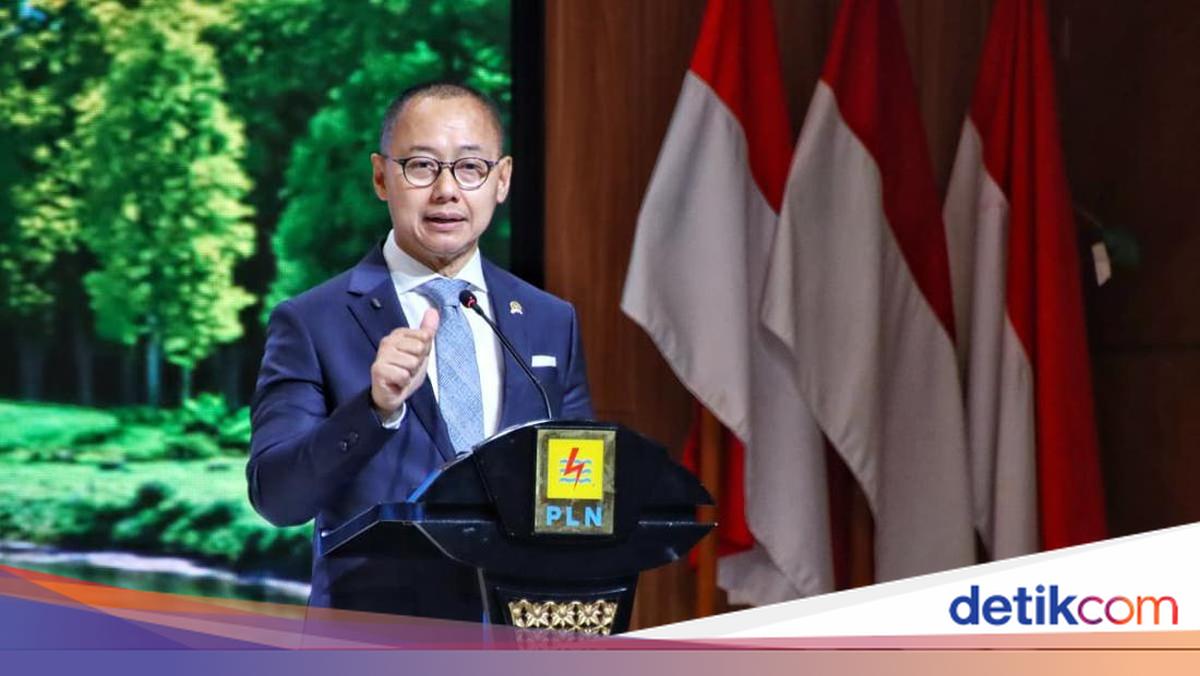
Deputy Speaker of the People’s Consultative Assembly (MPR) Eddy Soeparno has expressed concern over the recent fire at the Jatiwaringin final processing site (TPA), calling it a reminder that Indonesia urgently needs to transform its waste management system from one reliant on landfills to a modern mechanism based on Waste-to-Energy (WTE). He argued that WTE-based waste management is the right step, as it not only reduces the volume of waste ending up in landfills but also generates energy beneficial to the public.
“The Jatiwaringin TPA fire is an alarm that our waste management capacity requires fundamental change. This includes processing waste into a resource that provides benefits to the community, such as electrical energy,” he said in a written statement on Sunday (5/7/2026).
He noted that Indonesia produces approximately 56 million tonnes of waste annually, with the majority still ending up in final processing sites through a landfill system. This situation increases the risk of fires due to methane gas accumulation, exacerbates environmental pollution, and means the potential energy and economic value of the waste remains largely untapped. Therefore, he supports President Prabowo Subianto’s move to accelerate the construction of WTE facilities in various regions as part of reforming the national waste management system.
“The Waste-to-Energy programme is a strategic solution because it addresses two challenges simultaneously: reducing the volume of waste entering landfills and generating electrical energy that can be utilised by the community. This is a tangible form of a circular economy that adds value to something previously considered mere waste,” he stated. He added that WTE technology has been implemented in various countries with strict environmental standards, and its development and operation in Indonesia must also meet environmental provisions, use the best technology, be transparently supervised, and comply with international emission standards.
Beyond WTE development, he stressed that waste reduction at the source must remain a priority through household waste sorting, increased recycling activities, strengthening waste banks, and public education. “Waste-to-Energy does not mean we ignore reduction efforts. Instead, WTE is part of an integrated waste management system. Waste that still has economic value must be recycled first, while the residue can be utilised as an energy source,” he explained. He concluded by expressing hope that the Jatiwaringin TPA fire would serve as momentum to accelerate the transformation of the national waste management system, shifting from a landfill-oriented approach to a modern system that prioritises technology, a circular economy, and clean energy.