
MPR Deputy Speaker Urges Use of Archives for History Teaching Materials
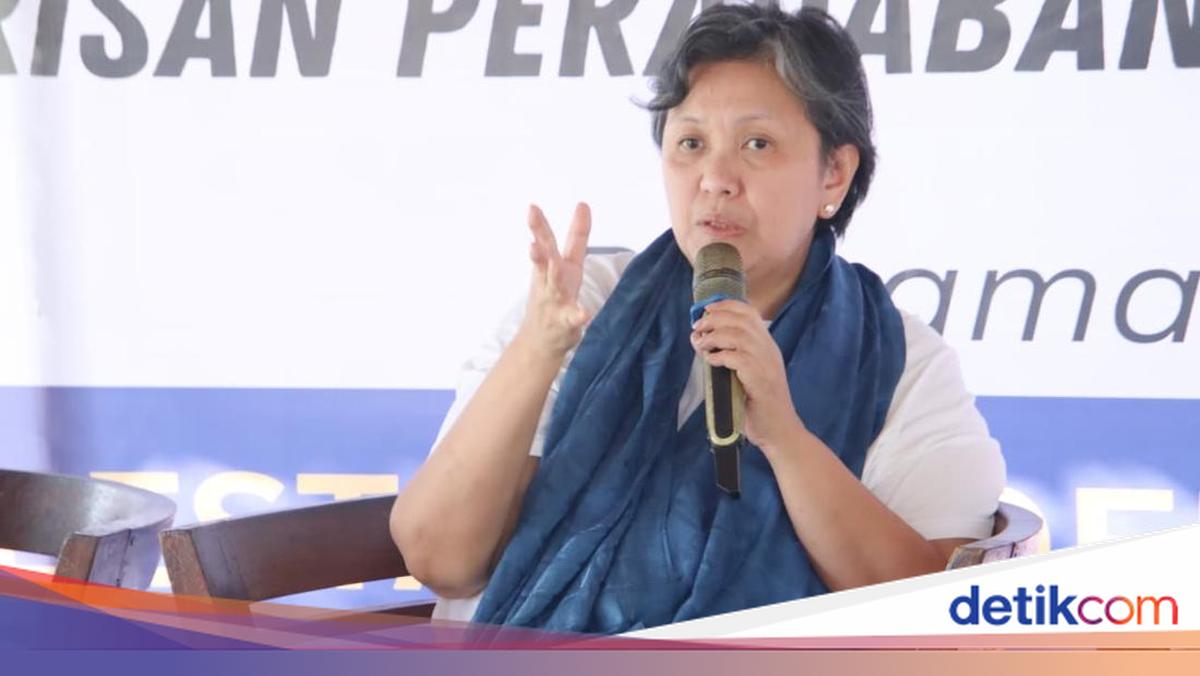
Deputy Speaker of the People’s Consultative Assembly (MPR) Lestari Moerdijat has stressed the importance of increasing the use of national archives. According to her, national archives can serve as living and contextual history learning materials as part of efforts to address future challenges.
“Archives have an extraordinary role in revealing various facts from the past. The wealth of national archives must not be viewed merely as documents stored on shelves, but must become knowledge that is widely accessible to the public, especially as an authentic source of learning,” said Lestari Moerdijat on Friday (28/8/2026).
Minister of Primary and Secondary Education Abdul Mu’ti on Thursday (27/8) signed a Memorandum of Understanding between the Ministry of Primary and Secondary Education and the National Archives of the Republic of Indonesia (ANRI). The step was accompanied by the handover of static archives from the Ministry of Primary and Secondary Education, including the text of the minister’s national statement at the 43rd UNESCO General Conference.
According to her, the cooperation is a strategic momentum to encourage increased use of national archives as living and contextual history learning materials. She argued that strengthening the nation’s collective memory through archives is key to addressing future challenges.
“Moreover, based on ANRI records in 2025, the archive management score of the Ministry of Primary and Secondary Education reached 98.14, with an archive digitalisation rate of 98.09,” she explained.
She said this achievement is a strategic asset for integrating archives into the curriculum. Lestari also encouraged similar collaboration to be expanded and followed by other ministries and institutions.
Lestari is optimistic that with good management and creative presentation, national archives will become living documents that are not only memories of the past, but also a source of inspiration and character building for the nation’s future generations.
“The use of strong historical sources is necessary so that the public does not continually debate the history of their own nation without an adequate documentary basis. With archives, we build civilisation,” she concluded.