
MPR Deputy Speaker Urges Strengthening Adaptive Learning Systems to Face Disasters
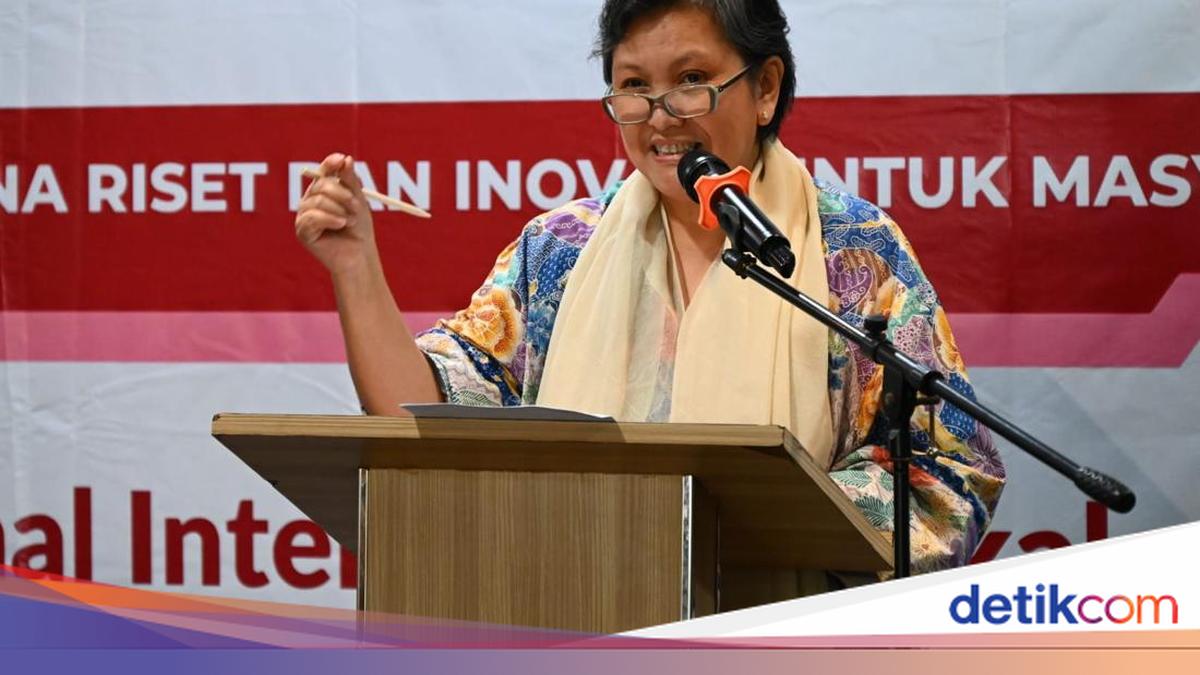
Deputy Speaker of the People’s Consultative Assembly (MPR) Lestari Moerdijat has stressed the importance of building adaptive learning mechanisms for natural disasters across various regions. According to her, this is essential to guarantee the continuity of education amid the threat of natural disasters striking the country.
“Indonesia is a disaster-prone region. The development of an education system that is responsive to disaster threats must be realised, not merely a momentary reaction,” said Lestari Moerdijat on Monday (24/8/2026).
The series of natural disasters that have hit Indonesia over the past week, ranging from forest and land fires in Kalimantan to a powerful earthquake in East Nusa Tenggara, has once again tested the resilience of the national education sector. The Ministry of Primary and Secondary Education has consequently issued emergency learning protocols in several regions affected by these disasters.
According to her, the challenge that must be addressed immediately is the technical implementation of emergency learning so that the teaching and learning process continues and children’s rights are not deprived amid the crisis.
“Indeed, the current data demonstrates the urgency of establishing adaptive learning mechanisms to respond to diverse challenges,” she said.
Based on the 2023 BNPB Disaster Risk Map, there are more than 70,000 educational institutions, from early childhood education to senior secondary and vocational schools, located in areas with medium to high disaster risk potential. Furthermore, UNICEF has placed Indonesia among the 50 countries where children are most at risk from the impacts of climate change and environmental degradation.
She also urged the government to consistently implement emergency learning protocols in disaster-affected areas by prioritising the safety of teachers and students, ensuring pupils’ right to learn is fulfilled, and continuously improving planned post-disaster recovery.
She expressed hope that these policies would serve as momentum to build a long-term system for anticipating the various challenges posed by potential disasters across the country.
“Human resource readiness, strengthening of adaptive curricula, and improving disaster literacy for teachers must be realised immediately. This is not only about how to learn during a disaster, but how we ensure the future of the nation’s children is not halted by disasters,” she concluded.