
MPR Deputy Speaker Urges Legal Recognition for Indigenous Communities
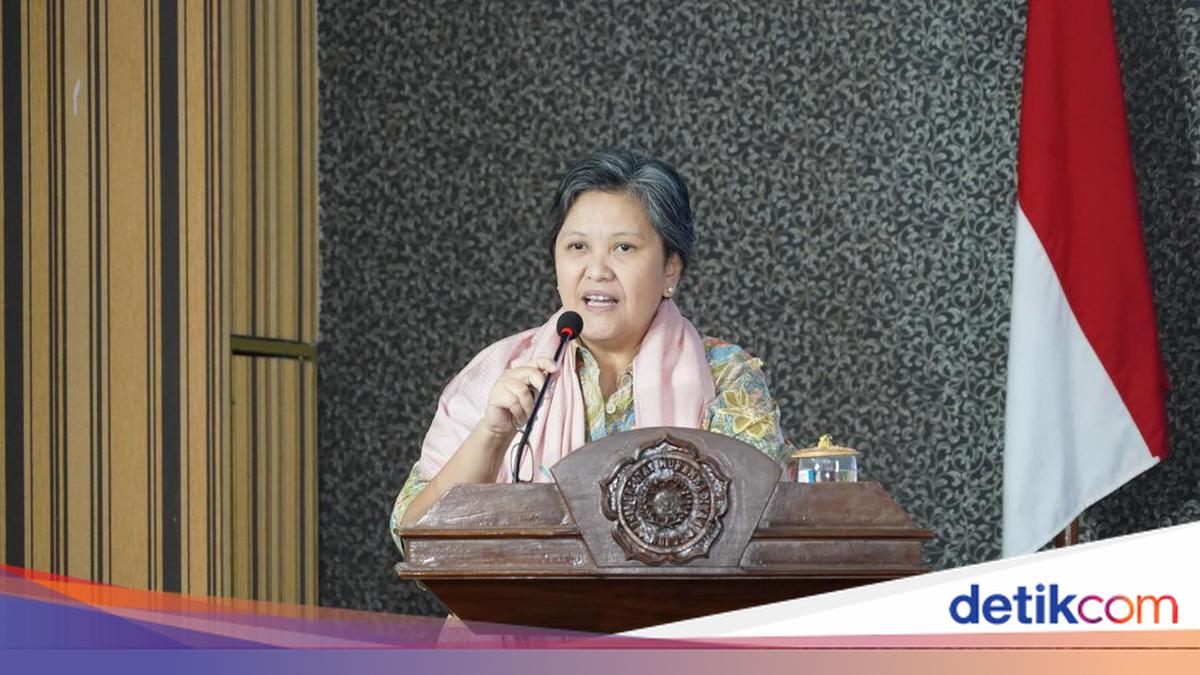
Deputy Speaker of the People’s Consultative Assembly (MPR) Lestari Moerdijat (Rerie) has stressed that the momentum of International Day of the World’s Indigenous Peoples must drive all parties to strengthen efforts to recognise the existence of indigenous communities in the country. Rerie asserted that current data indicates indigenous communities are experiencing an emergency situation.
Rerie opined that while the global community increasingly appreciates indigenous knowledge systems, Indonesia ironically still faces the reality that legal protections for indigenous communities, such as the Indigenous Peoples Bill (RUU MHA), remain unpassed.
"Data from the Indigenous Peoples Alliance of the Archipelago (AMAN) shows that 11.7 million hectares of customary territory have been lost, 162 indigenous people have been criminalised, and millions of hectares of land are controlled by corporations. This is not just a statistic; it is a humanitarian emergency," Rerie emphasised on Monday (10/8/2026).
This statement was made in a written release on Sunday (9/8) to mark International Day of the World’s Indigenous Peoples, which is commemorated every 9 August. This year’s theme is ‘Honouring Indigenous Midwives: Safeguarding Life and Well-being’.
Rerie believes this situation contradicts the spirit of preservation promoted by the United Nations (UN), which encourages the conservation of indigenous knowledge and practices.
Without legal certainty for indigenous communities in the country, Rerie stated, efforts to preserve indigenous knowledge and practices are increasingly threatened. Rerie emphasised that passing the Indigenous Peoples Bill is a constitutional mandate that must be fulfilled immediately.
"The state must be present for all its citizens, including indigenous communities. They have waited long enough," Rerie concluded.
"This year must be the year of recognition, not a year of protracted waiting," she added.