
MPR Deputy Speaker Urges Concrete Action to Close Disability Employment Gap
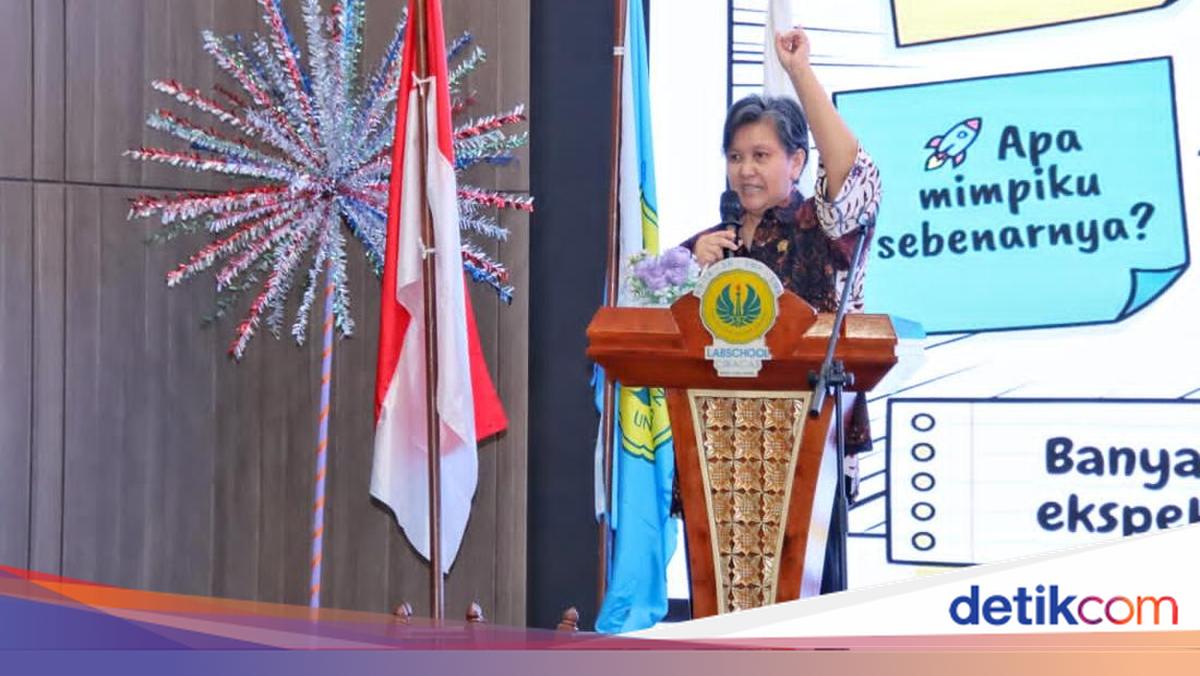
Deputy Speaker of the People’s Consultative Assembly (MPR) Lestari Moerdijat has stressed that concrete and collaborative steps are needed to address the disparity in workforce participation for people with disabilities, arguing that regulations alone are not enough. “Efforts to increase the employment participation rate for people with disabilities cannot be overcome by merely presenting regulations; concrete and collaborative steps are needed to address the existing obstacles,” Lestari said on Tuesday (4/8/2026). Her remarks came after Manpower Minister Yassierli noted on Monday (3/8) that the challenges facing people with disabilities in the job market are growing. The International Labour Organization (ILO) stated during the Global Disability Summit 2025 that the workforce participation rate for people with disabilities globally is still around 30 percent lower compared to the non-disabled group. From a regulatory standpoint, the government continues to strengthen protections through Law Number 8 of 2016 on Persons with Disabilities, reinforced by Manpower Minister Regulation Number 8 of 2026 concerning the granting of awards for respecting, protecting, and fulfilling the rights of persons with disabilities. Lestari emphasized that the implementation of these policies on the ground is now critical. “The employment quota for people with disabilities mandated by Law No. 8/2016 must be complied with and realized consistently. This is part of the effort to achieve inclusivity and equitable development,” she stated. The member of House Commission X asserted that sanctions and rewards, as stipulated in the ministerial regulation, must be truly effective in encouraging compliance. She argued that regulations alone are insufficient if structural and social barriers remain high. “There are at least several obstacles that must be immediately addressed to overcome the gap faced by people with disabilities in obtaining employment,” she explained. Lestari noted that the persistent perception that people with disabilities are less productive remains a barrier, even though productivity can be equal if reasonable accommodations are provided. She added that other challenges include a lack of vocational training suited to industry needs and low educational attainment among people with disabilities. She also pointed out that current infrastructure is not yet disability-friendly, with physical work environments and digital recruitment systems often inaccessible, such as lacking screen readers for the visually impaired or sign language support for the deaf. “Given the current conditions, real collaboration is needed between the education sector, businesses, government, and society so that there are no more gaps in employment opportunities for every citizen, including people with disabilities,” Rerie concluded.