
MPR Deputy Speaker Urges Acceleration of Manuscript Digitalisation to Boost Reading Interest
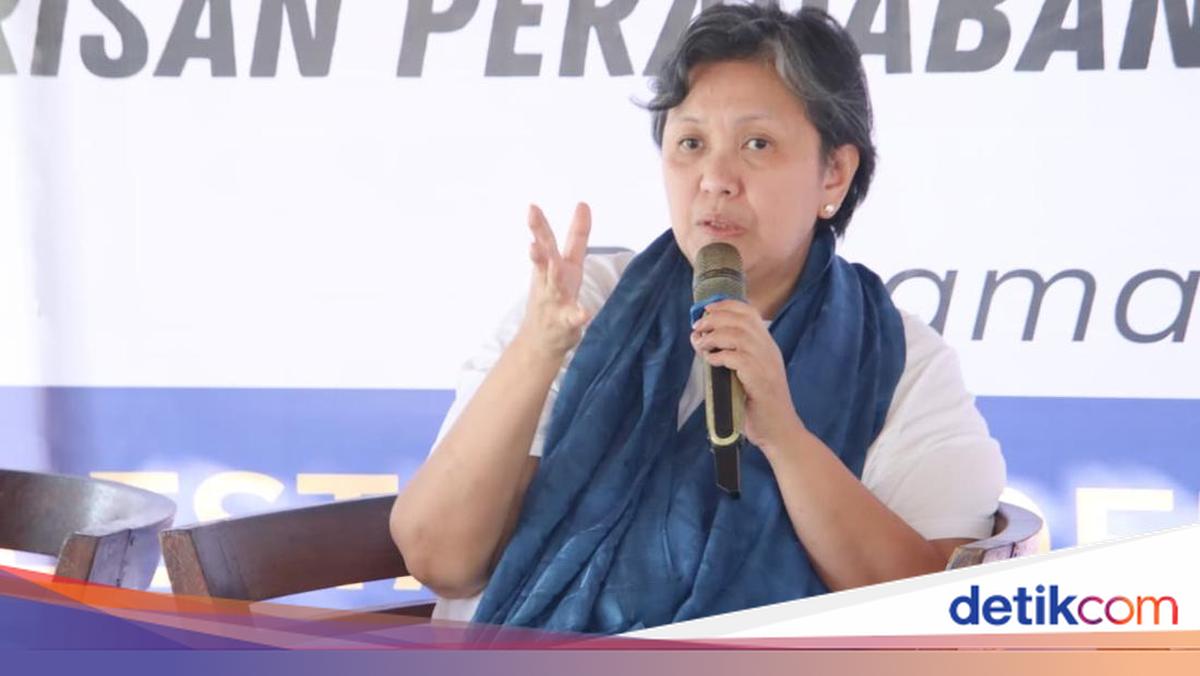
Deputy Speaker of the People’s Consultative Assembly (MPR) Lestari Moerdijat stated that transforming the role of libraries into a means of facilitating access to knowledge and literacy is not enough with a paradigm shift alone. Concrete and strategic steps are needed so that the benefits of libraries can be expanded and felt by all levels of society.
“Amid the challenges of still-low literacy, maximum utilisation of existing resources must be realised immediately. The potential possessed by the National Library must be able to encourage public reading interest,” said Moerdijat in her statement on Saturday (22/8/2026).
Previously, the Chairperson of the Central Board of the Indonesian Librarians Association (PP IPI), Joko Santoso, on Wednesday (19/8), said that changes in information technology and the development of community needs must encourage libraries to continue transforming. Libraries are not sufficiently oriented towards collection building, but need to expand public access to various sources of information and knowledge, including those available digitally.
However, Moerdijat said, National Library data recorded that by the end of 2024 there were 143,259 Nusantara manuscript collections, yet only 7,987 manuscripts had been successfully digitised. The latest National Library data as of March 2026, she added, shows that the national Community Literacy Development Index (IPLM) still stands at 40.6, or in the low category. Meanwhile, the Reading Interest Level (TKM) was recorded at 54.80, or in the medium category. These figures serve as a foundation that efforts to improve literacy must be more massive.
Moerdijat, who is also a member of Commission X of the Indonesian House of Representatives (DPR RI), urged acceleration of the digitalisation of ancient manuscripts and reading materials. “Manuscripts that have been digitised should not just be stored. Maximum utilisation must be realised immediately,” stressed the legislator from Electoral District II of Central Java.
Amid budget constraints, Moerdijat assessed that collaboration between the government, businesses, communities, and the public is key. “Synergy among stakeholders is needed so that various programmes to improve public literacy can continue to run,” she said.
This collaboration, explained the member of the NasDem Party High Council, can be realised through strengthening the role of regional governments, the involvement of literacy activists, and supportive fiscal policies, such as tax reductions on books and paper raw materials.
“Caring for manuscripts means caring for the intellect of the nation. Support from various parties, including collaboration between the government, the private sector, and the public, is crucial to realising a smart and competitive future generation of the nation,” concluded Moerdijat.