
MPR Deputy Speaker urges 100 GWp solar power project to drive green industry
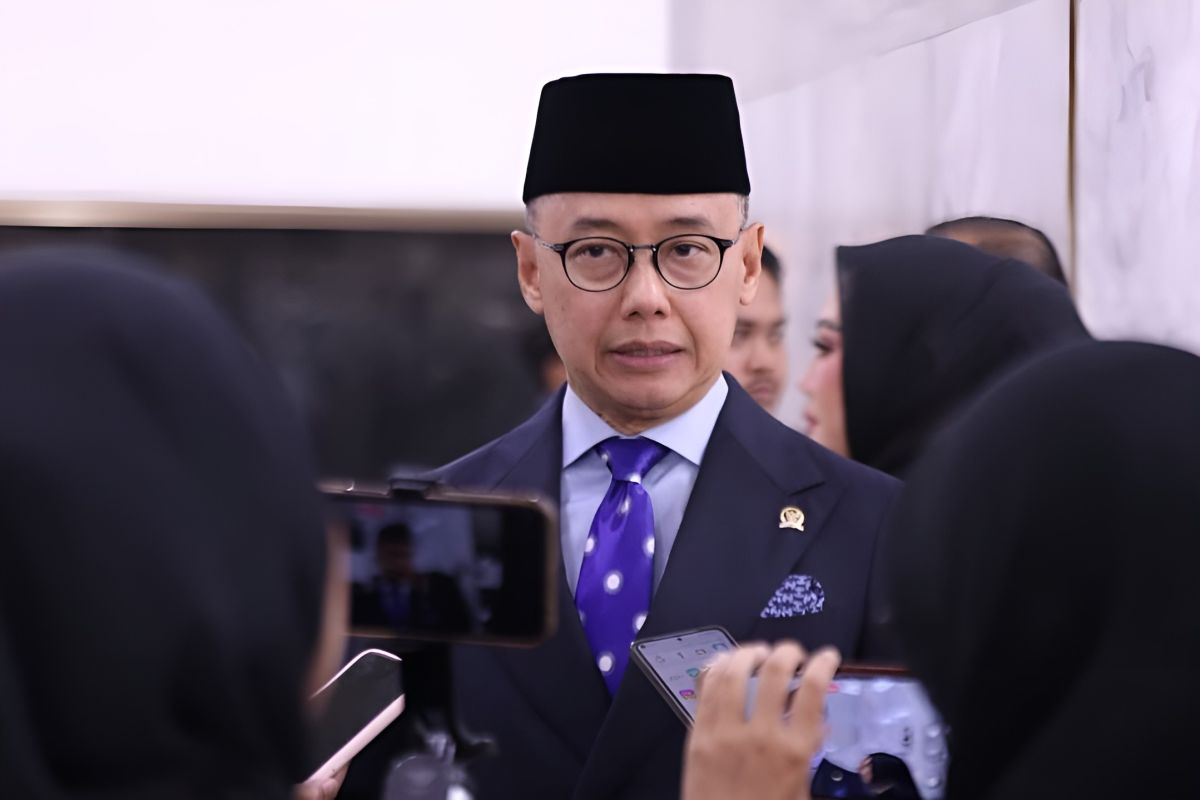
Deputy Speaker of the People’s Consultative Assembly (MPR) Eddy Soeparno has urged that the construction of a 100 gigawatt peak (GWp) solar power plant (PLTS) become a momentum to strengthen the renewable energy industry and create green jobs in Indonesia.
Eddy expressed his appreciation to President Prabowo Subianto, who officiated the groundbreaking of the PLTS at the Java–Bali Sea Crossing Operation Monument in Gilimanuk, Jembrana Regency, Bali, on Tuesday (25/8).
“I give the highest appreciation to President Prabowo, who not only promotes the energy transition agenda but also actively oversees its implementation. The groundbreaking of the 100 GWp PLTS shows that Indonesia is serious and committed to building a cleaner, more independent, and sustainable energy system,” Eddy said in a statement received in Jakarta on Wednesday.
According to him, the construction of a solar power plant on such a large scale demonstrates that the energy transition agenda has moved from policy to concrete development implementation. The massive development of solar energy is also considered capable of strengthening Indonesia’s position in the utilisation of renewable energy in the Asian region.
“The 100 GWp PLTS is a strategic leap that will elevate Indonesia to become one of the major solar energy players in Asia. We have abundant solar resources, and we continue to strive to convert that potential into national economic and energy strength,” he said.
He assessed that the construction of the PLTS must simultaneously be directed towards building a domestic green industry ecosystem. The need for solar panels, batteries, energy storage systems, inverters, construction, and other supporting components is considered capable of creating a domestic value chain.
“When we build a PLTS on a 100 GWp scale, we are essentially creating a very large market. This market must be utilised to revive domestic industry, from the solar panel industry, batteries, electrical components, and construction to various supporting sectors such as contractors, transportation, logistics, and other services,” he said.
Eddy also encouraged renewable energy investment to provide broad economic benefits through increasing workforce capacity, strengthening national industry, and involving domestic business actors.
“This is where the concept of green jobs and green industry can transform from a concept into concrete policy. Through the construction of the 100 GWp PLTS, we can see how the energy transition creates jobs, opens business opportunities, attracts investment, and simultaneously builds new industries,” he said.
Furthermore, Eddy requested that the construction of the PLTS be integrated with the national industrialisation agenda through policies that encourage domestic component levels, technology transfer, human resource development, as well as research and innovation.
“On several occasions, I have said that the energy transition must become a ‘celebration’ for the domestic renewable energy industry,” Eddy said.
Indonesia, he said, must become a producer, manufacturer, and an important part of the global clean energy supply chain.
“Therefore, the construction of the 100 GWp PLTS must go hand in hand with the development of the solar panel industry, batteries, energy storage technology, and various supporting industries,” said the member of Commission XII of the Indonesian House of Representatives.