
MPR Deputy Speaker Supports Moves to Create Safe Educational Environments
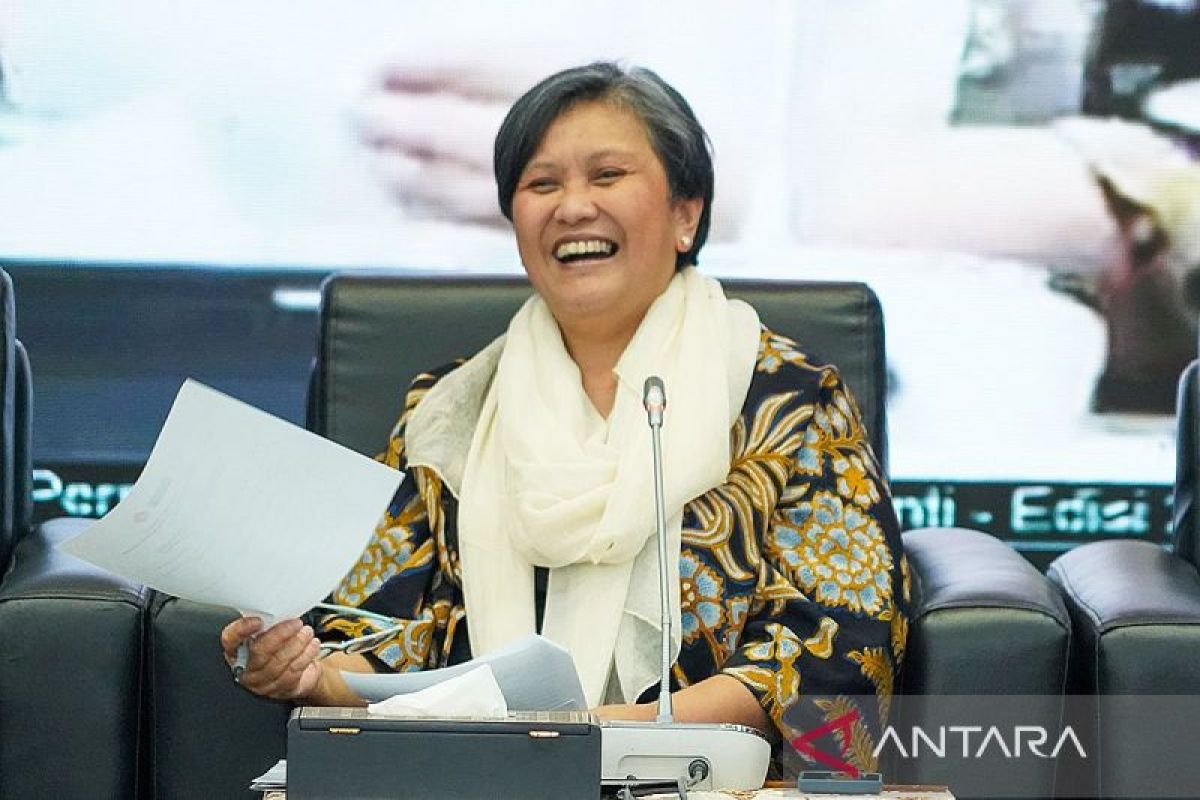
Deputy Speaker of the People’s Consultative Assembly (MPR) Lestari Moerdijat has expressed support for the commitment and concrete steps taken by various parties to create a safe and comfortable educational environment. “A movement to realise a safe and comfortable educational environment must receive full support from relevant parties, including families and the community,” said Moerdijat, affectionately known as Mbak Rerie, in a statement in Jakarta on Tuesday. She highlighted the government’s efforts to strengthen cross-sector collaboration in realising child-friendly pesantren and madrasas through the National Movement for Safe and Comfortable Spaces for Children (Gernas RANA), launched on Sunday, 12 July. Rerie expressed hope that the movement, launched by Coordinating Minister for Human Development and Culture Pratikno, could deliver an educational ecosystem that is safe, comfortable, inclusive, and free from all forms of violence against children. The movement targets 42,000 Islamic boarding schools and 80,000 madrasas across Indonesia to implement strengthened regulations, violence prevention, provision of safe facilities, victim-centred complaint services, and cross-sector collaboration. Rerie appreciated the Gernas initiative. However, she cautioned that the movement’s success depends on a strong commitment from all parties to make child protection a top priority. She said immediate steps to realise the declared targets must become a shared understanding and commitment among education providers, pesantren and madrasa administrators, and the community. According to her, efforts to accelerate the prevention and handling of violence in educational environments are urgently needed. The National Commission on Violence Against Women (Komnas Perempuan) recorded 475 cases of gender-based violence in educational settings throughout 2025, with victims totalling 972 people. Specifically within pesantren environments, 17 cases were reported between 2020 and 2024. Additionally, the Federation of Indonesian Teachers’ Unions (FSGI) also noted an increasing trend in violence cases in educational settings, from 15 cases in 2023 to 36 cases in 2024, and rising further to 60 cases throughout 2025. The growing threat of violence, Rerie stated, must be responded to immediately with appropriate anticipatory measures. She added that efforts to prevent bullying in educational environments must be balanced with building attitudes and a culture of tolerance in schools and the community, alongside anti-violence socialisation. Prevention efforts, she continued, cannot rely solely on the readiness of teaching staff but also require the active role of the community and families in shaping children’s character from an early age.