
MPR Deputy Speaker: Subsidy Reform and Energy Transition Must Go Hand in Hand
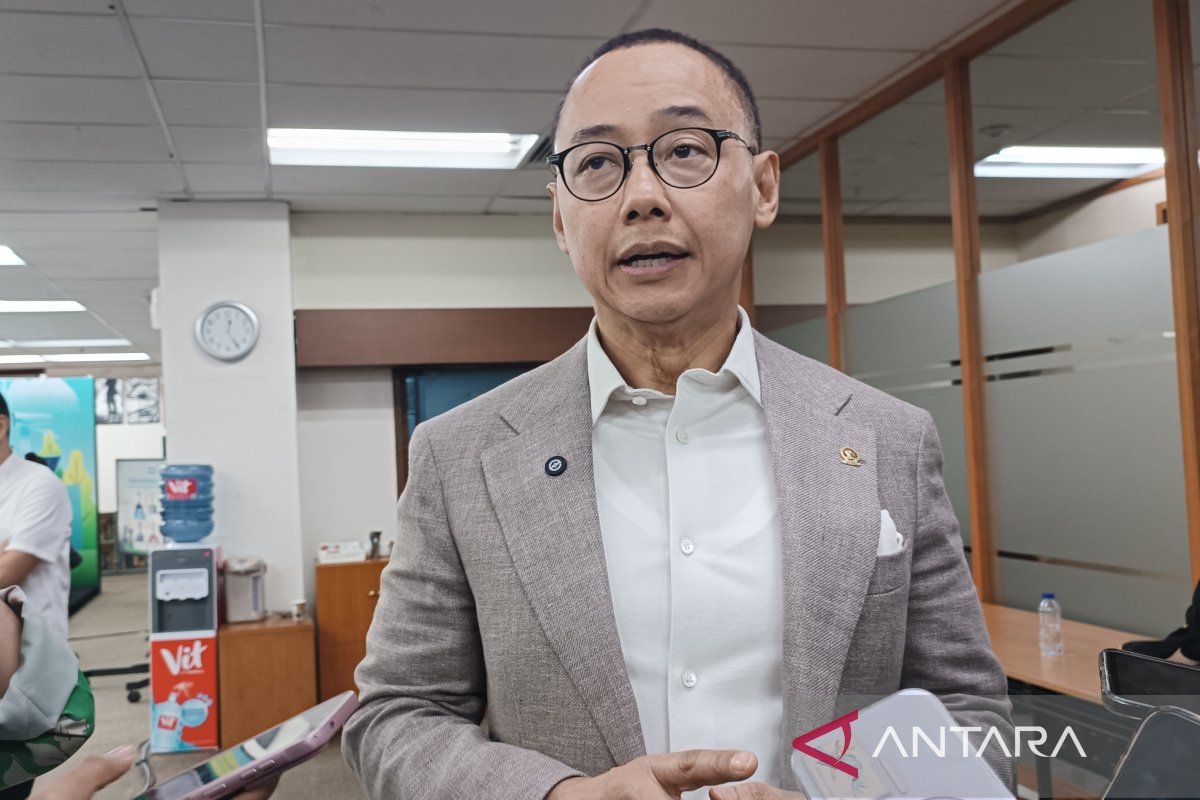
Deputy Speaker of the MPR RI, Eddy Soeparno, has emphasised that energy subsidy reform and the energy transition are two different matters, but must proceed hand in hand. According to Eddy, if subsidy reform aims to create social justice, the energy transition is a strategy for decarbonisation and strengthening national energy security. “This is where it is important to see subsidy reform not as a matter of reducing protection, but as changing the way the state protects its people, so that vulnerable groups truly receive their entitlements fairly and efficiently,” Eddy said in a statement in Jakarta on Wednesday. Eddy explained that energy subsidies have so far faced a fundamental problem of mistargeting, where the majority are actually enjoyed by affluent groups. He stressed that subsidy reform must be directed at the principles of right-sizing and right-targeting, so that the state budget can be used more effectively to protect vulnerable groups while supporting investment in the future energy sector. According to him, one option is to shift from commodity-based subsidies to direct subsidies for beneficiaries based on accurate data. This option will be key to opening up broader fiscal space. “Subsidy reform is a strategy to divert state resources from mistargeted consumption towards productive investment, including accelerating the energy transition,” Eddy said. Eddy emphasised that when mistargeted fossil energy subsidies are successfully reduced, the government will have greater capacity to promote renewable energy development, strengthen energy infrastructure, and reduce dependence on imports. “If subsidy reform proceeds alone without the energy transition, we only save money without changing the structure. But if the energy transition proceeds without subsidy reform, we will face severe fiscal pressure. Both must go hand in hand,” Eddy stated. Furthermore, he highlighted that global geopolitical dynamics are increasingly strengthening the urgency of integrating these two agendas. Indonesia’s dependence on energy imports makes the national economy vulnerable to supply disruptions and international price fluctuations. “In such a situation, subsidy reform can reduce the fiscal burden, while the energy transition strengthens long-term energy independence. We must also improve the policy structure, including subsidies. That is where the urgency of fixing subsidies and the energy transition converges,” he said. Eddy added that Indonesia has a great opportunity to make the energy transition a new engine of growth, not merely to reduce national energy import needs. “We have a great opportunity to build green industries that absorb a green workforce. So, green industries and green jobs are not just jargon, but something we can realise through an energy transition based on national industrial development,” he concluded.