
MPR Deputy Speaker Pushes for Revision of Human Trafficking Law to Tackle Modern Slavery
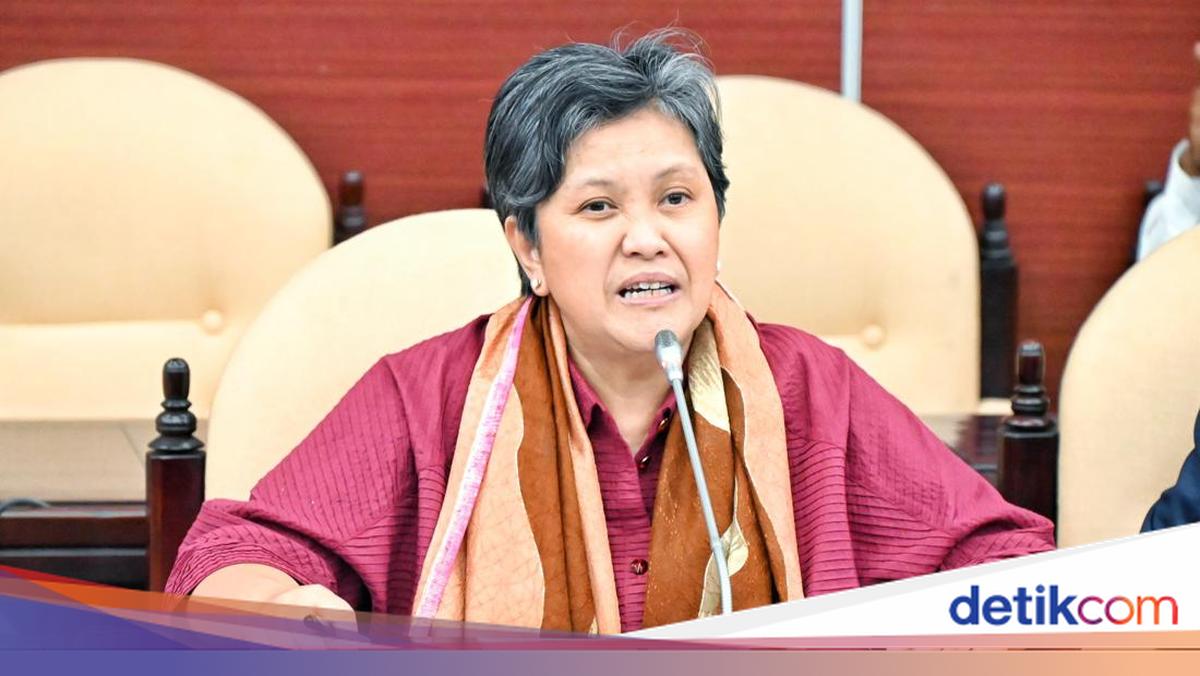
Deputy Speaker of the People’s Consultative Assembly (MPR) Lestari Moerdijat has highlighted the increasingly modern complexity of criminal methods. According to her, revising Law Number 21 of 2007 on the Eradication of the Criminal Act of Trafficking in Persons (TPPO) is a fundamental step towards building a comprehensive citizen protection system.
“TPPO practices have evolved beyond the trafficking of women and children into forms of modern slavery. This phenomenon must be met with immediate, concrete action. The complexity of these criminal methods is a strong reason for revising the TPPO law,” she stated on Friday (7/8/2026).
According to Lestari, TPPO crimes no longer only target vulnerable groups. Based on data from the Directorate General of Immigration, many victims recruited through social media actually come from educated backgrounds, holding bachelor’s and master’s degrees, particularly in the field of information technology. This, added Rerie, as Lestari is affectionately known, shows that a person’s level of education does not guarantee they are free from the snares of TPPO.
Rerie revealed that data from various institutions demonstrates the urgency of this regulatory update. Throughout 2025, the National Network (Jarnas) Against TPPO handled around 300 cases of human trafficking from various regions in Indonesia, with victims spanning all ages, including children aged 13 to 17. Additionally, the Indonesian National Police (Polri) recorded uncovering 353 TPPO cases in the same period, with a total of 1,114 victims. The Witness and Victim Protection Agency (LPSK) even recorded providing protection to 1,175 TPPO victims from 2024 to May 2026.
Rerie, who is also a member of Commission X of the House of Representatives (DPR RI), urged that several crucial points must be accommodated in the revision of the TPPO Law to build a complete protection system. These crucial points include mandating the establishment of a single national TPPO database with clear identification standards. She noted that currently, each agency—such as the National Police, Immigration, the Ministry of Women’s Empowerment and Child Protection, and the Indonesian Migrant Workers Protection Agency (BP2MI)—has its own separate data, resulting in victims not being handled properly.
Furthermore, Rerie stressed that there must be a national standard operating procedure for victim identification across all sectors, a strengthened mechanism for tracing assets derived from TPPO crimes, enhanced protection for victims when acting as witnesses and for victims abroad, and strengthened human resources for the relevant officials handling TPPO cases. The senior council member of the NasDem Party argued that the revision of the TPPO Law must broaden the definition of TPPO, increase sanctions for syndicates, and strengthen the responsibility of digital platforms to shut down recruiter accounts.
“It is time for Indonesia to evaluate and revise Law Number 21 of 2007 so that it can answer the challenges of human trafficking crimes in the digital era,” concluded Rerie.
Source: jawawa.id (https://jawawa.id/newsitem/mpr-deputy-speaker-pushes-for-revision-of-human-trafficking-law-to-tackle-modern-slavery-1786103665)
Originally published by detikcom (https://news.detik.com/berita/d-8608890/waka-mpr-dorong-revisi-uu-tppo-untuk-tangani-perbudakan-modern), translated from Indonesian