
MPR Deputy Speaker pushes for community-based plastic waste management to protect Karimunjawa
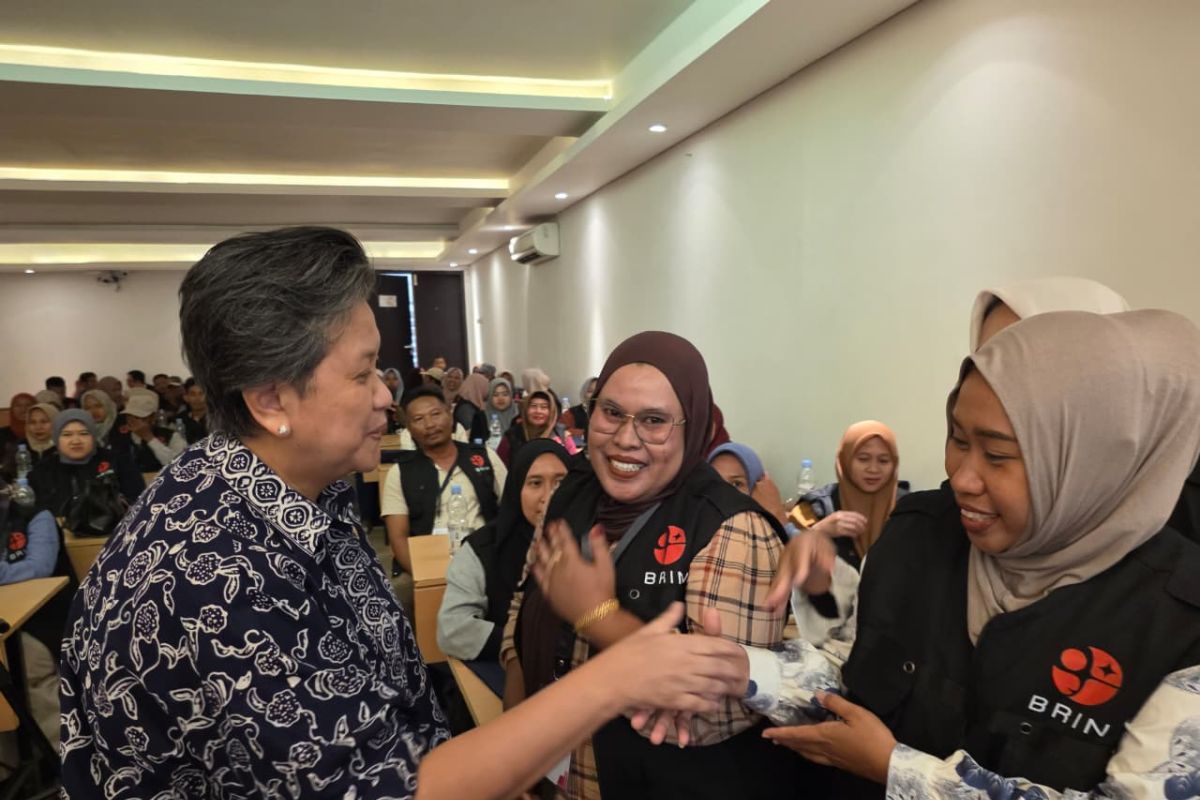
Deputy Speaker of the People’s Consultative Assembly (MPR) Lestari Moerdijat is urging stronger community-based plastic waste management efforts in Karimunjawa, Jepara Regency, Central Java, to preserve the marine conservation area whilst sustaining the livelihoods of coastal residents. Lestari believes that Karimunjawa, which depends on fisheries, tourism, trade, and services, must be protected through sustainable environmental management. “Karimunjawa lives from its nature. If nature is damaged, the impact is not only on the environment but also on the economy of communities reliant on fisheries, tourism, trade, and services,” she stated. Speaking during a Technical Guidance session on Plastic Waste Management in Karimunjawa on Saturday, Lestari, familiarly known as Rerie, noted that as one of Indonesia’s important marine conservation zones, Karimunjawa faces the challenge of rising plastic waste volumes alongside growing tourism and economic activity. The area, spanning more than 111,000 hectares, hosts coral reef, seagrass bed, and mangrove forest ecosystems that serve as the livelihood source for local communities. Rerie observed that increasing tourist arrivals do bring positive economic impacts to the region, but this is accompanied by a rise in waste generation, particularly plastic waste. She added that Karimunjawa confronts a more complex challenge because it must handle not only waste from residents and visitors but also debris carried by ocean currents from various coastal areas of Java. “Waste management is truly not just an environmental matter. It is also an economic issue, a health issue, and a matter of the future for coastal communities. Therefore, we need behavioural change and a collective movement involving all elements of society,” she said. Rerie explained that through the technical guidance, 100 young environmental activists in Karimunjawa received training on waste reduction at source, waste sorting, household waste management, waste bank development, and the utilisation of waste with economic value. She expressed confidence that Karimunjawa possesses strong social capital to become a model for community-based waste management. “The gotong royong tradition that thrives among island communities is an important strength in building a new culture that is more environmentally conscious,” Rerie remarked. Meanwhile, Faizinal Abidin, a resource person from the National Research and Innovation Agency (BRIN), stated that research findings must be applied concretely to address the environmental problems faced by communities. “BRIN has many applicable research results and innovations, including in the fields of environmental management, waste management, and the conservation of coastal areas and small islands. Our challenge is not only to produce knowledge but how that knowledge can be applied and provide real benefits to society,” he said. According to him, plastic waste management requires collaboration between government, businesses, academia, communities, and the public by utilising research results as the basis for policy and practice at the local level.