
MPR Deputy Speaker: Preserving Lengger Strengthens Character of Future Generations
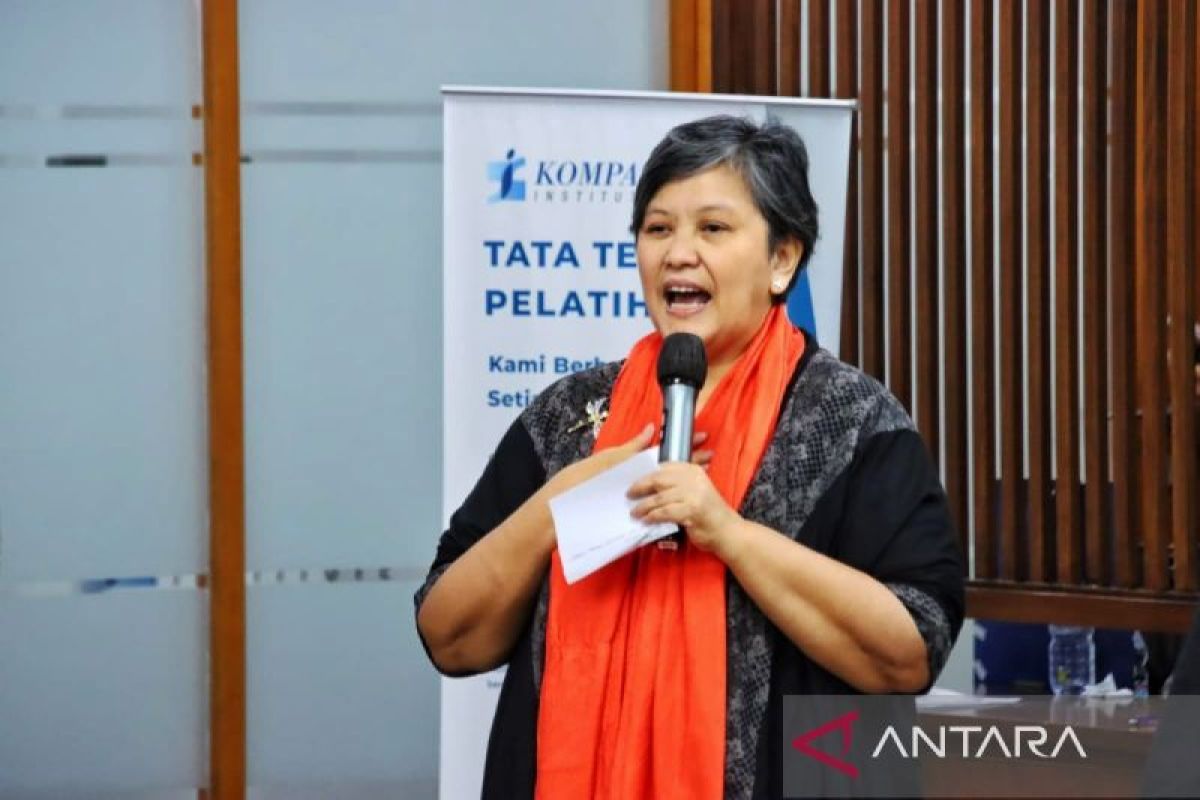
Jakarta (ANTARA) - Deputy Speaker of the People’s Consultative Assembly (MPR) Lestari Moerdijat stated that preserving Lengger Banyumas is not only an effort to safeguard cultural heritage but also a strategic part of strengthening the character and national consciousness of future generations. “When we talk about Lengger Banyumasan, we are essentially talking about how we preserve heritage, and more than that, it is an effort to nurture national consciousness,” she said in a statement received in Jakarta on Tuesday. According to her, culture is the moral infrastructure of democracy. She noted that democracy will not stand firm without strong cultural roots. She also reminded that democracy is currently often narrowed down to mere political contests, general elections, or power struggles. “In fact, democracy requires a deeper foundation. Democracy needs citizens who respect one another, appreciate differences, and have a sense of their culture and nation. This is the essence of culture,” she said. She further explained that advancing national culture amidst global civilisation is also a constitutional mandate, specifically Article 31 paragraph (1) of the 1945 Constitution of the Republic of Indonesia. She stressed that culture is not merely a complement to development, but its soul, breath, and an inseparable part of national development. Lestari attended a public aspiration gathering titled ‘Lengger Banyumas: Safeguarding Heritage, Nurturing National Consciousness’ at the Sipanji Pendopo in Banyumas Regency, Purwokerto, Central Java, on Monday (15/6). She expressed appreciation for the artists and cultural figures of Banyumas who consistently promote and preserve Lengger, including reviving the philosophy behind the performing art. Lestari encouraged efforts to propose Lengger as a world cultural heritage, following its designation as a national intangible cultural heritage in 2019. “State recognition is important because it is not merely an administrative record, but a form of acknowledgement that Lengger is truly an inseparable part of this nation’s journey,” she said. She added that the greatest challenge today is not the loss of art itself, but the loss of memory and connection between the younger generation and their own culture. By losing this connection, the nation will lose its memory. Therefore, she called for cultural preservation to become a collective movement, not solely the burden of cultural communities and artists, but one that involves all stakeholders and society. “A great nation is one that has strong roots and is able to keep its cultural heritage alive amidst the changing times,” she concluded.