
MPR Deputy Speaker: Domestic Worker Protection Law and Care Economy Embody National Values
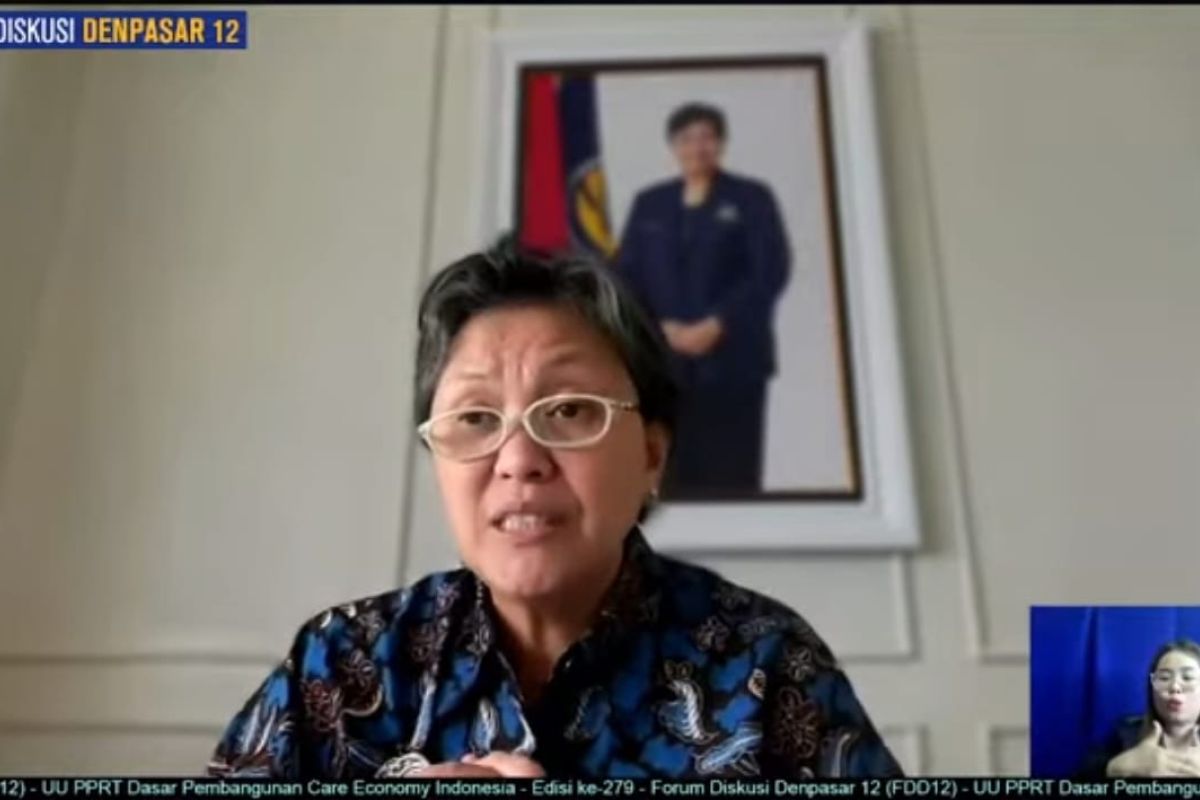
Jakarta (ANTARA) - Deputy Speaker of the People’s Consultative Assembly (MPR) Lestari Moerdijat has stated that the ratification of the Domestic Worker Protection Law (UU PPRT) and the drafting of the 2025-2045 Care Economy Roadmap represent concrete steps in translating national values into more inclusive public policy. According to Lestari, the UU PPRT, which was ratified on 21 April 2026, not only provides legal protection for domestic workers but also changes the perception of domestic work, which has long been considered informal and confined to the private sphere. “Ideologically, fulfilling the rights of domestic workers reflects the implementation of the second principle of Pancasila, to humanise workers, as well as the fifth principle in distributing gender and economic justice for marginalised groups,” said Rerie, as she is familiarly known, in a statement in Jakarta. Speaking at an online discussion themed ‘The PPRT Law as the Foundation for Indonesia’s Care Economy Development’ on Wednesday, she said the UU PPRT serves as a foundation for strengthening the care economy through a four-pillar approach: recognition, redistribution, reduction of burdens, and reward. “This formalisation positions care work, such as childcare and elderly care, as a strategic investment. It is not merely domestic work, but a vital part of maintaining national macroeconomic sustainability and productivity,” she said. Meanwhile, Pungkas Bahjuri Ali, Deputy for Human Development and Culture at the Ministry of National Development Planning/Bappenas, stated that strengthening the care economy sector is one of the instruments to support Indonesia’s economic growth targets towards the Golden Indonesia 2045 Vision. According to him, Indonesia needs to maintain economic growth in the range of 6 to 7 percent to escape the middle-income trap, while the phenomenon of an ageing population will increase the demand for care services. “The care economy roadmap is directed at strengthening human resource development, education, health, and the empowerment of women, youth, and persons with disabilities,” he said. Amurwani Dwi Lestariningsih, Deputy for Gender Equality at the Ministry of Women’s Empowerment and Child Protection (KPPPA), assessed that the ratification of the UU PPRT marks an important milestone in legal protection for millions of domestic workers in Indonesia. Endang Yuniastuti, Head of the Worker Welfare Facilitation Team at the Ministry of Manpower, revealed that there were approximately 4.2 million domestic workers in Indonesia in 2026, the majority of whom are women. “Domestic workers are not servants. Care work is not merely helping; it is valuable work that drives the economy,” said Endang. Member of House Commission IX Nurhadi reminded that the implementation of the UU PPRT requires the readiness of derivative regulations, regulatory harmonisation, and an easily accessible and safe complaint mechanism to ensure that protection for domestic workers can run effectively.