
MPR Deputy Speaker: Carbon Registry Needs Regulatory Support to Strengthen Carbon Market
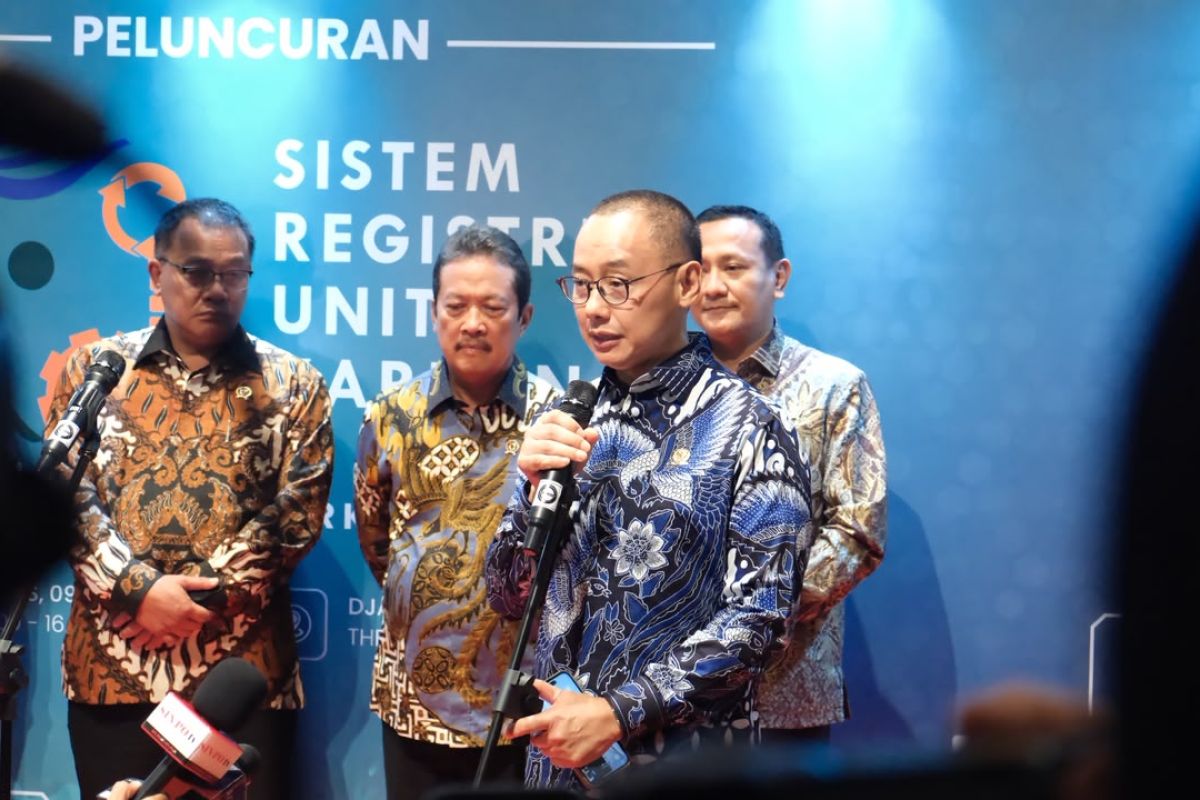
Jakarta (ANTARA) - Deputy Speaker of the MPR RI, Eddy Soeparno, considers the launch of the Carbon Unit Registry System (SRUK) to be a strategic step towards strengthening transparent and accountable national carbon trading governance.
Speaking in Jakarta on Friday, Eddy said the launch of the SRUK must also be supported by stronger regulation in order to provide legal certainty for businesses, communities, and investors.
According to him, the development of carbon trading infrastructure must go hand in hand with regulatory refinement in order to support the achievement of emissions reduction targets while enhancing Indonesia’s competitiveness in the global carbon market.
“It should be noted that in parliament we are currently discussing plans to deliberate two important regulations, namely the revision of Law Number 32 of 2009 on Environmental Protection and Management, and the Draft Law on Climate Change Control. If approved, these two regulations will form an important foundation for strengthening national carbon trading governance,” Eddy said.
He said the deliberation of these two regulations is expected to complement government policies, including the launch of the SRUK as the national registry system for carbon units.
“The SRUK is a step forward in building a carbon trading system that is transparent, accountable, and highly integrity-driven. However, its successful implementation also requires a strong legal umbrella to provide certainty for businesses, communities, and investors,” he said.
Eddy believes Indonesia has great potential to become one of the main players in global carbon trading, supported by its wealth of forests, mangrove ecosystems, peatlands, and other natural resources.
Therefore, he said, strengthening carbon market governance must go hand in hand with environmental protection efforts and community empowerment in forest areas and conservation zones.
“The development of the carbon market, beyond being obliged to reduce greenhouse gas emissions, must also be able to create economic added value, open up green investment, and provide tangible benefits for communities living around forest areas and conservation zones,” said the member of Commission XII of the House of Representatives (DPR RI).