
MPR Deputy Pushes for Maximising Women's Protection Mechanisms
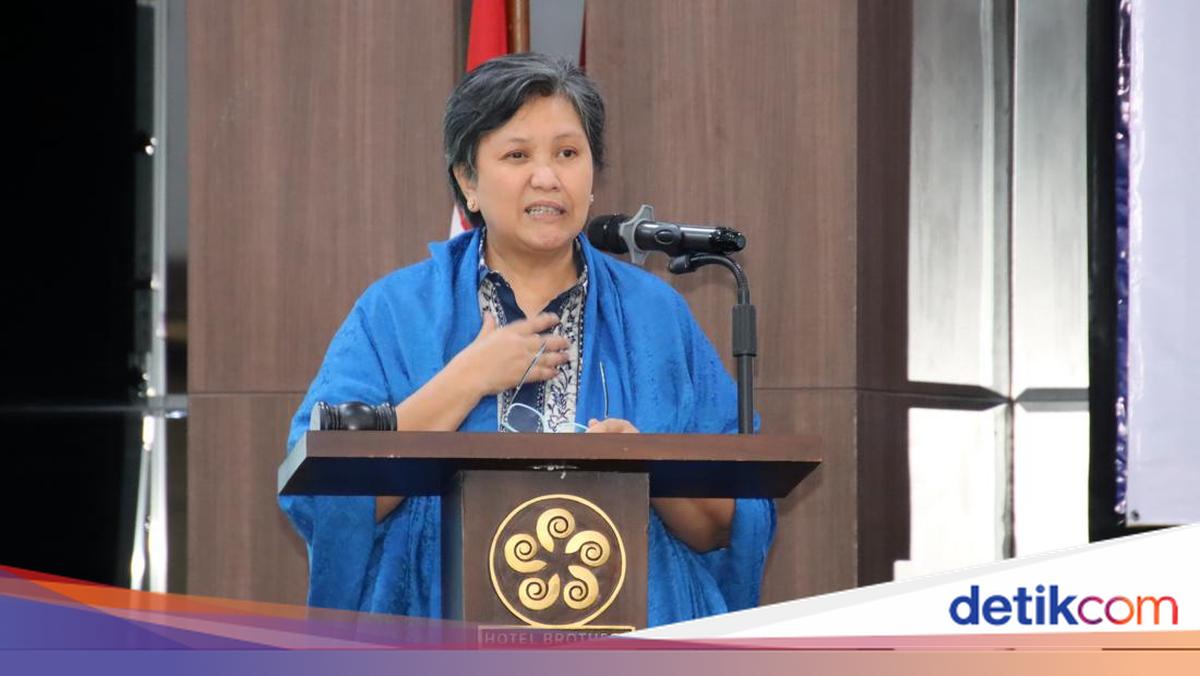
The strengthening of mechanisms for preventing and protecting women from violence on campuses is considered necessary to be continuously refined. This step is important for realising a safe and comfortable educational environment for the nation’s next generation.
The Deputy Chair of the Indonesian MPR, Lestari Moerdijat (Rerie), assessed that the regulation is already heading towards a better protection system, but its implementation in the field still faces several obstacles.
“The presence of Ministry of Education, Culture, Research, and Technology Regulation No. 55 of 2024 on the Prevention and Handling of Violence in Higher Education Environments (PPKPT) indeed shows a more systematic direction in realising sustainable protection mechanisms. However, the effectiveness of its implementation still faces several challenges in the field,” she stated in a written statement on Thursday (2/4/2026).
Several recommendations were submitted by Komnas Perempuan to the Ministry of Education, Culture, Research, and Technology at the end of February for strengthening women’s protection mechanisms in educational environments. These recommendations include the preparation of implementation guidelines for Ministry of Education Regulation No. 55 of 2024, as well as expanding the definitions of intolerance and discrimination.
In addition, the Ministry is encouraged to enhance the capacity of the Task Force for Prevention and Handling of Violence in Higher Education (Satgas PPKPT), provide attention to small-scale private universities, and integrate indicators for prevention and handling of violence into the evaluation and accreditation systems for higher education institutions.
Komnas Perempuan also emphasised the importance of strengthening monitoring and reporting mechanisms for the implementation of Ministry of Education Regulation No. 55 of 2024 on a regular basis. According to Rerie, the recommendations submitted by Komnas Perempuan must be optimally realised as part of efforts to perfect existing protection mechanisms.
She added that in implementing policies involving several institutions, a common understanding of the applied rules is required. Therefore, clear and easily understandable implementation guidelines for field officers become crucial.
Rerie hopes that these recommendations will soon be implemented by higher education providers in Indonesia. Thus, a safe and comfortable learning environment for the entire academic community can be quickly realised, while encouraging the emergence of strong-charactered and competitive generations in the future.