
MPR and BRIN Engage Karimunjawa Youth to Tackle Plastic Waste
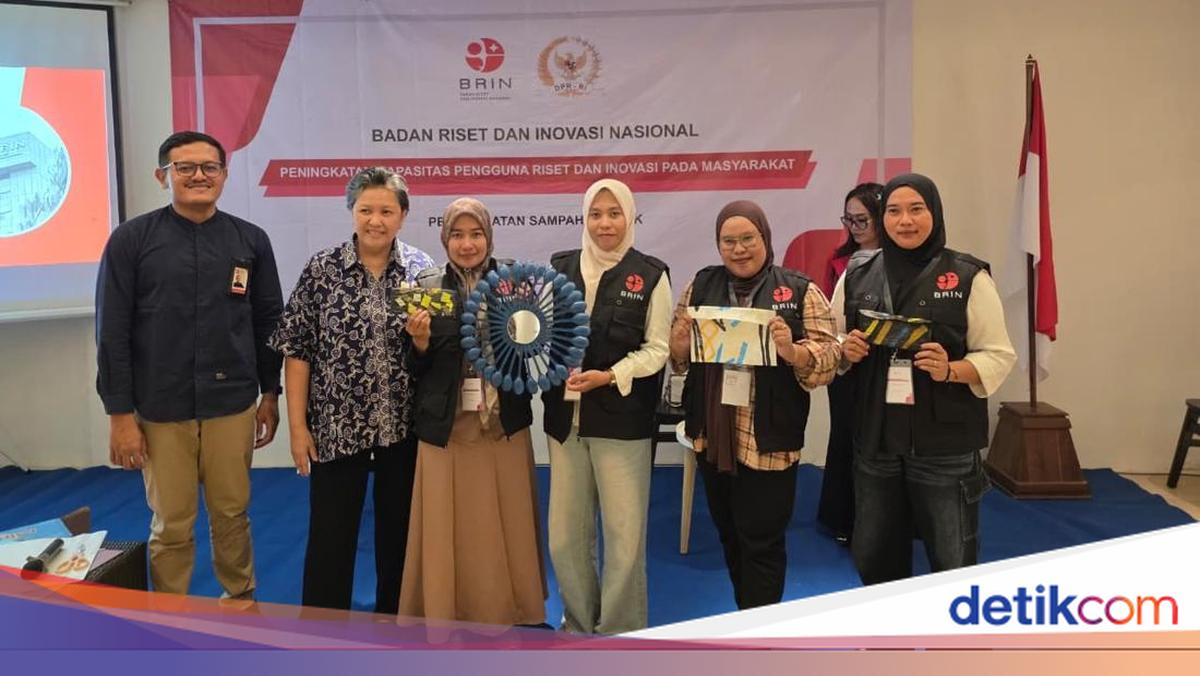
Deputy Speaker of the MPR RI Lestari Moerdijat has highlighted the importance of preserving the natural environment of Karimunjawa, warning that environmental damage would not only impact nature but also the economy of communities dependent on the fisheries and tourism sectors. She made these remarks during a Technical Guidance event on Plastic Waste Management in Karimunjawa, Jepara, Central Java, on Saturday (20/6/2026), where Faizinal Abidin, a representative of the National Research and Innovation Agency (BRIN), served as a resource person. Speaking before a hundred young waste activists, Lestari, who is familiarly known as Rarie, stated that Karimunjawa is one of Indonesia’s most important marine conservation areas and is currently facing significant challenges in managing plastic waste due to increasing tourism activity. According to Rarie, the area, which spans more than 111,000 hectares, possesses extraordinary marine ecosystem wealth, with coral reefs, seagrass beds, and mangrove forests serving as the primary source of livelihood for the local community. “Waste management is not merely an environmental issue. It is also a matter of economy, health, and the future of coastal communities. Therefore, we need behavioural change and a collective movement,” asserted the member of the NasDem Party’s High Council. Rarie assessed that the rising number of tourist visits to Karimunjawa is good news for the local economy, but the increase in human activity is directly proportional to the increase in waste volume. The member of Commission X of the Indonesian House of Representatives emphasised that the plastic waste problem has become a global issue, citing UNEP data showing the world produces more than 400 million tonnes of plastic waste annually, with around 11 million tonnes entering the ocean. The legislator from the Central Java II electoral district noted that Karimunjawa faces a unique environmental challenge because the waste polluting the area originates not only from local community and tourist activities but also from debris carried by ocean currents from various coasts of Java Island, placing a double burden on the community. Through this technical guidance activity, participants were equipped with knowledge on reducing waste at the source, sorting, developing waste banks, and turning waste into economically valuable products. Concluding her remarks, Rerie expressed confidence that Karimunjawa possesses strong social capital to become a national example of community-based waste management. “The tradition of gotong royong that thrives among island communities is an important strength in building a new culture that is more environmentally conscious,” she added. Meanwhile, BRIN representative Faizinal Abidin affirmed his institution’s commitment to delivering applicable research results to the community, stating that the technical guidance in Karimunjawa is a form of disseminating BRIN’s research findings to directly address residents’ problems. “BRIN has many applicable innovations in the field of environmental management and coastal preservation. Our challenge is not only to produce knowledge but how that knowledge can be applied and provide real benefits,” Faizinal said.