
MPR Advisory Body Holds FGD: Experts Urge End to Overlapping Central-Regional Projects
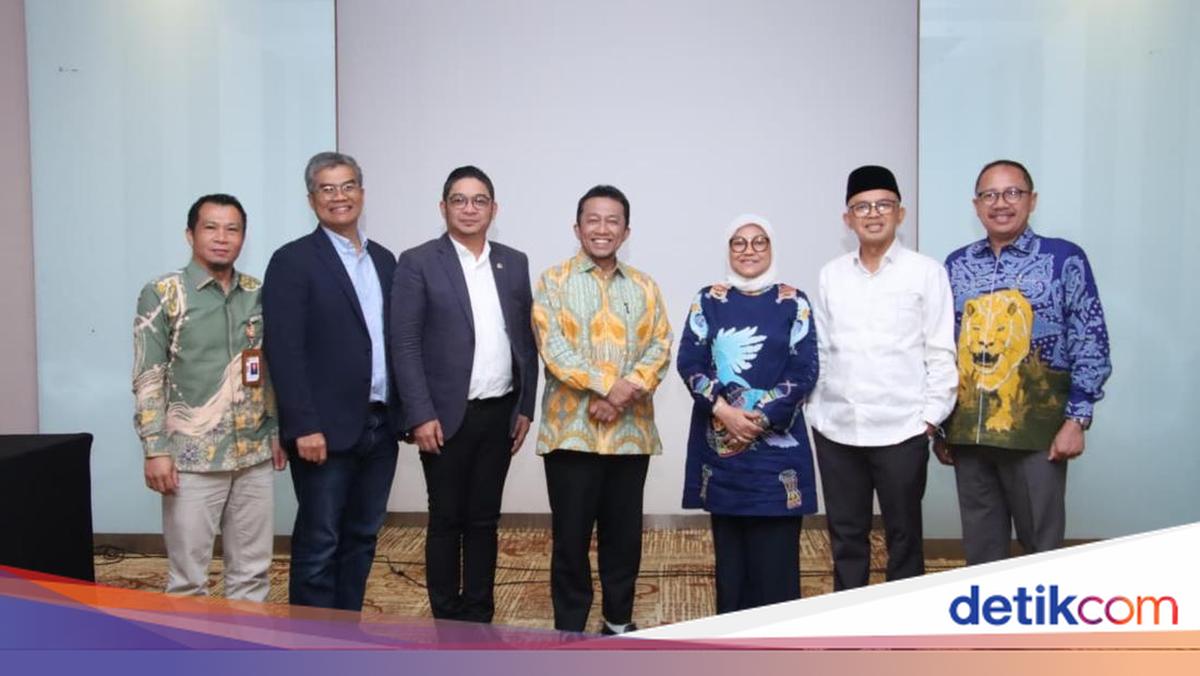
The MPR Advisory Body (BP MPR) recently held a Focus Group Discussion (FUT) titled ‘Rupiah Depreciation and National Economic Resilience: Monetary, Fiscal, and Social Welfare Implications’ in Cibubur, Bekasi. Tifatul Sembiring, Chairman of Group IV of the MPR Advisory Body, noted that economic weakening is evident in the rising costs of airfares and basic commodities. He pointed out that domestic flight prices have surged significantly, and the price of essential goods like rice has increased from Rp 8,000 to Rp 11,000 per litre.
Sembiring suggested that the Indonesian government look towards the tactical and transparent approach of Malaysian Prime Minister Anwar Ibrahim in managing inflation and subsidies. He also criticised the aggressive expansion of private minimarket chains, which he argued is stifling small local traders, noting that West Sumatra remains a rare example of a province that has prohibited such private chains to protect local businesses. Furthermore, he highlighted the shift from offline to online shopping, which has led to the rise of ‘ghost malls’ and allowed well-capitalised foreign franchises to dominate the market.
Expert speaker Dr Idel Eprianto, Head of the Master of Management Study Programme at Bhayangkara University, noted that Presidential Instruction (Inpres) No. 1 of 2025 regarding Budget Efficiency has made it difficult for regional governments to realise their political mandates. He cited examples in regions like Kerinci, Jambi, where low local revenue makes them highly vulnerable to tightened central transfers. Dr Idel argued that strengthening the lower-tier economy is more urgent than waiting for long-term macroeconomic transmissions from Bank Indonesia.
Dr Idel also called for an end to national inefficiencies caused by overlapping programmes between provincial, regency, and village levels, driven by a lack of integrated performance indicators. Additionally, he criticised the practice of ‘political patronage,’ where regional heads appoint campaign staff to strategic positions within Regional Government Organisations (OPD) instead of competent civil servants. He concluded that synchronising national and regional development planning is essential for optimal economic growth and urged for reforms in the Regional Transfer (TKD) and General Allocation Fund (DAU) mechanisms.