
MPR: Accompany Competency Strengthening for Teachers with Equitable Distribution
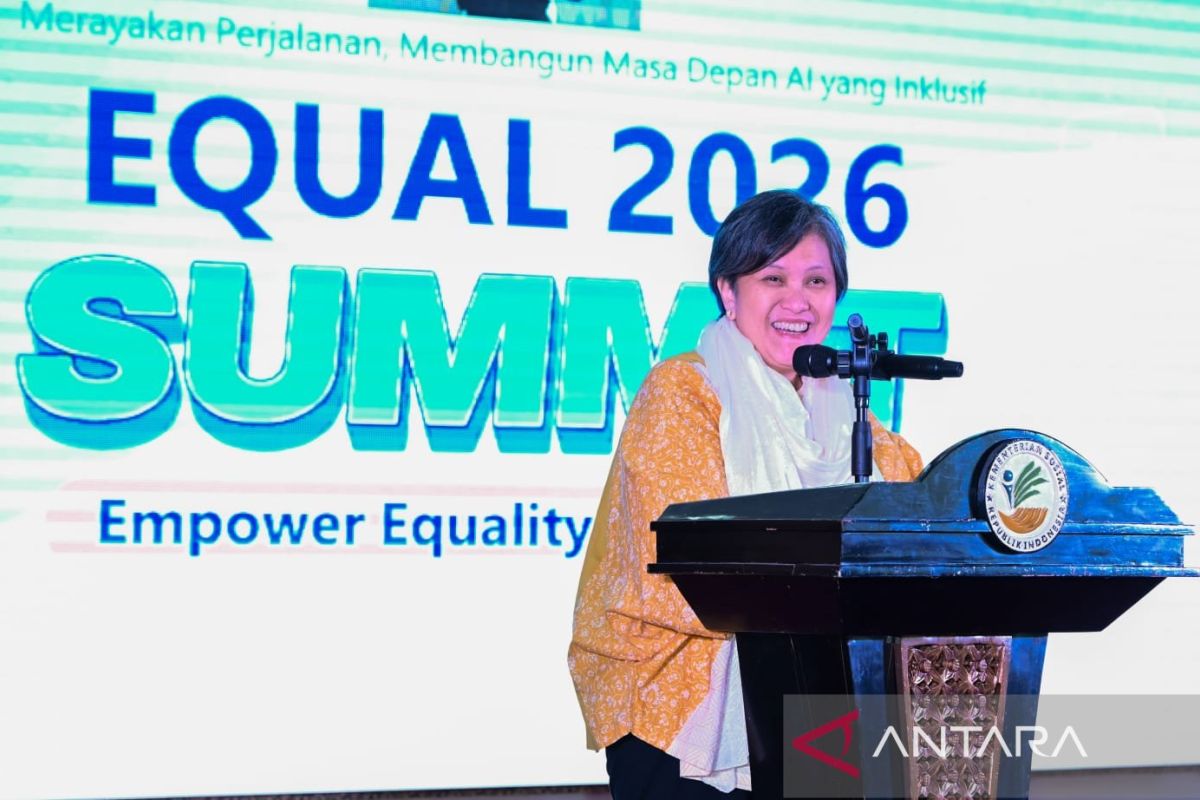
The Deputy Speaker of the MPR RI, Lestari Moerdijat, stated that the enhancement of teacher competence must be ensured to proceed alongside equitable distribution so that quality education can be enjoyed across all regions of Indonesia.
“Teachers are the commanders of literacy and innovation in the field. It is not enough to merely increase their competence; we must also ensure even distribution so that every Indonesian child has equal access to quality learning,” she said in a statement in Jakarta on Friday.
According to her, strengthening competence and teacher distribution are two elements that must be implemented simultaneously. The implementation of learning, particularly in the fields of science, technology, engineering, and mathematics (STEM), will be difficult to standardise if the issue of teacher distribution remains unresolved.
“Competent teachers, but unevenly distributed, will not be able to raise the quality of education nationally. Conversely, even distribution of teachers without competence enhancement will not produce innovative and high-quality learning,” she added.
She cited data from the 2025-2029 Strategic Plan of the Directorate General of Teachers and Education Personnel (GTK), which shows that the national teacher requirement reaches 3,249,356 people, while the current number of available teachers is 2,526,572.
This means that Indonesia still faces a shortage of 722,784 teachers. On the other hand, Lestari, who is also a member of Commission X of the DPR RI, found that teacher distribution is still concentrated on the island of Java.
Meanwhile, the government has taken steps through the Regulation of the Minister of Primary and Secondary Education Number 1 of 2025 regarding the Redistribution of Civil Servant Teachers in Educational Units Organised by the Community.
This regulation allows civil servant teachers, both permanent civil servants (PNS) and government employees with work agreements (PPPK), to be placed in private schools that are in need.
Lestari appreciated this step. However, she reminded that the redistribution policy requires consistent implementation to effectively address the inequality of teacher needs in various regions.
As a legislator in the field of education, she also encouraged synergy between the central government, local governments, and the community to ensure that the improvement of teacher competence aligns with equitable distribution.
“Education is the foundation of national sovereignty. We must ensure that competence enhancement and teacher distribution become a shared priority to realise an inclusive and just Golden Indonesia 2045,” she concluded.