
MPR: Access to Quality Education Deemed Key to Women's Empowerment
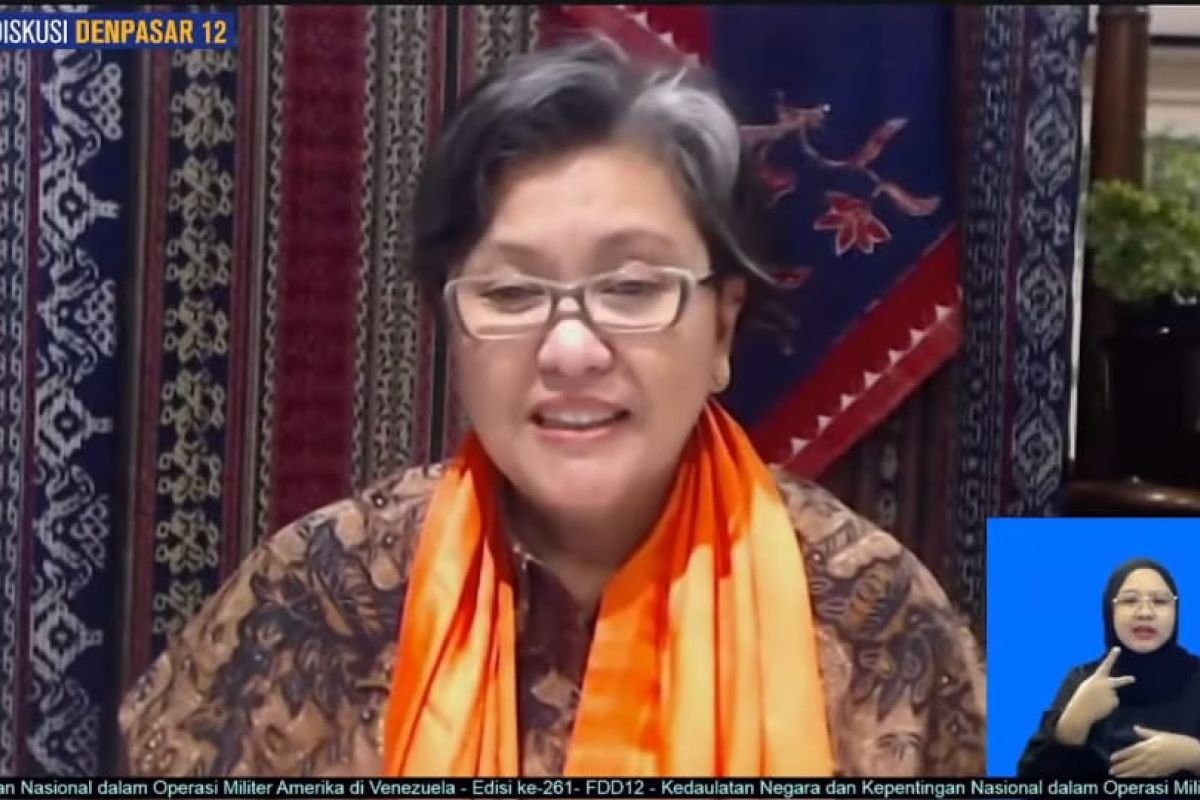
Jakarta (ANTARA) - Deputy Speaker of the People’s Consultative Assembly (MPR) RI Lestari Moerdijat has stressed that ease of access to quality education is the primary key in efforts to empower women in Indonesia, as well as the foundation for strengthening women’s roles in development.
“Women’s empowerment cannot be separated from access to and quality of education. This is the main pathway to opening knowledge, building self-confidence, and expanding space for women’s leadership,” Lestari stated in a written remark in Jakarta on Monday.
According to her, improving the quality and access to education is an important strategy to address the ongoing gender inequality challenges.
Based on the World Economic Forum report, Indonesia’s Gender Gap Index score for 2025 is recorded at 0.692, placing the country 97th out of 148 nations.
“This is our major homework. Quality education is the foundation for changing this figure so that women are not only present but also lead in decision-making,” she said.
She explained that although access to basic education is relatively good, challenges remain in the fields of science, technology, engineering, and mathematics (STEM). Data shows that women’s participation in those sectors is still low.
“Although access to education is already good, we still face gaps in science, technology, engineering, and mathematics (STEM).
“2024 ILO data records that female STEM graduates are only 35 percent and those working in the same sector are only eight percent, even though STEM is a key sector for the future.
“Based on Central Statistics Agency data, the school participation rate for girls aged 7–18 is relatively high, namely 99.42 percent for the 7–12 age group and 79.56 percent for the 16–18 age group. However, gaps in education quality and relevance remain a challenge.
She also encouraged synergy among various parties to provide an inclusive education system that can reach all groups of women without discrimination.
“With these various efforts, we hope to produce more competitive, competent women ready to take strategic roles in national development towards Golden Indonesia 2045,” she said.
Efforts to improve access to and quality of education for women are seen as crucial steps in creating equality, expanding job opportunities, and encouraging women’s participation in leadership and decision-making across various sectors.