
Mpox Cases in Thailand, Indonesia’s Neighbour, Top 470, with Three Deaths
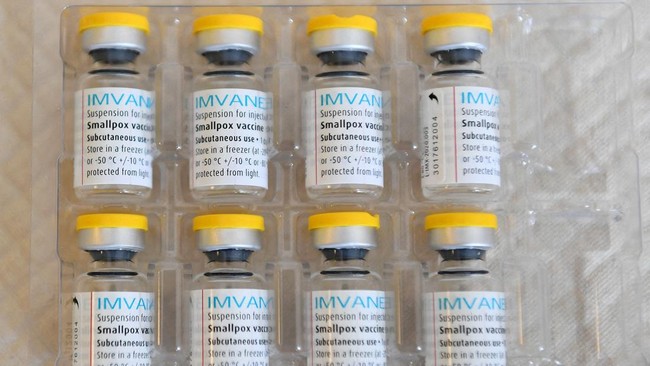
Jakarta, CNBC Indonesia – Thailand reported 470 mpox infections and three deaths between 1 January and 31 October 2026. In response, the Department of Disease Control urged people to visit a health facility promptly if they experience symptoms that may indicate mpox infection.
According to The Straits Times, the department’s Director-General, Montien Kanasawadse, presented the figures on 3 November. He stressed that early detection, continuous disease surveillance and measures to prevent transmission were important to controlling the spread of the virus.
Montien warned the public not to ignore unusual rashes, blisters or sores on the skin, particularly if they may have been exposed to the virus. He also urged people to tell doctors openly about their symptoms and contact history.
Mpox transmission remains a global concern
Mpox remains a notifiable disease under Thailand’s Communicable Diseases Act 2015 and a 2022 notification issued by the Ministry of Public Health.
Montien said the spread of mpox remained a concern in several parts of the world. Global figures cited by the Department of Disease Control recorded 68,096 confirmed cases and 272 deaths in 107 countries between 1 January and 31 August 2025.
Those figures were based on a World Health Organization (WHO) report published on 14 September. The department noted that the international data covered a different reporting period from Thailand’s 2026 case statistics.
Recognising early mpox symptoms
Montien said mpox can affect anyone exposed to the virus. The public should therefore understand its symptoms and how it spreads so that infection can be identified early.
Early symptoms commonly include fever, headache, back pain, muscle aches and swollen lymph nodes. A rash or skin lesions may then appear on the face, body, genital area or around the anus.
The number of lesions varies from patient to patient. Some develop only a few sores, while others may experience pain, particularly around the anus.
Skin changes usually begin as raised red spots. These develop into fluid-filled blisters, then pus-filled lesions, before drying and forming scabs. Lesions generally appear separately rather than in clusters.
However, the Department of Disease Control warned that mpox symptoms do not always appear in the same order, and not every patient experiences all the characteristic signs.
People are therefore advised to seek medical attention promptly if they notice an unexplained rash, blister or sore. They should not wait for lesions to spread across the body before getting checked.
Montien acknowledged that some people may feel embarrassed or worried about seeking an examination because mpox lesions can appear on intimate parts of the body.
He said the disease should not be a source of shame. Patients should give healthcare professionals an open account of their symptoms and possible exposure.
According to Montien, healthcare workers will provide care sensitively, while respecting patients’ privacy and keeping their information confidential.
PCR testing needed to diagnose mpox
The Department of Disease Control stressed that mpox cannot be confirmed solely by examining a rash or viewing a photograph of the skin.
This is because mpox symptoms can resemble those of other illnesses, including herpes, chickenpox and other skin infections. Doctors therefore need to assess a patient’s symptoms and exposure history, alongside laboratory testing.
The main method for confirming mpox infection is a polymerase chain reaction (PCR) test, which detects the virus’s genetic material in a sample taken from a skin lesion.
Routine blood tests cannot be used to confirm mpox infection.
Patients whose initial results are inconclusive, or who test negative but continue to have symptoms, are advised to return for medical assessment, especially if new lesions appear or their health deteriorates.
Patients should also tell their doctor about previous test results and treatment so that further evaluation or repeat sampling can be considered.
Most patients recover
The department’s Deputy Director-General, Direk Khampaen, said most people with mpox recover without needing specific treatment.
Medical care generally focuses on relieving symptoms and pain, preventing secondary infections in skin lesions and reducing the risk of complications.
Some groups face a higher risk of severe illness, particularly people with weakened immune systems, pregnant women and young children. These groups require closer medical monitoring.
Doctors will decide whether additional treatment or hospital admission is needed based on each patient’s condition.
People are also urged to seek medical attention promptly if they experience severe pain, difficulty eating or drinking, lesions around the eyes, or worsening symptoms.
How to prevent mpox transmission
To curb the spread of the virus, the Department of Disease Control advises the public to avoid direct contact with the skin or lesions of someone with mpox.
Close physical contact and sexual activity with anyone showing suspicious symptoms should also be avoided. People are advised not to share clothes, towels or bedding, as these items may be contaminated with bodily fluids or infectious scabs.
Anyone awaiting a medical examination or test result is advised to separate themselves from others, avoid sexual activity and close contact, and keep lesions covered.
Other preventive measures include washing hands regularly with soap or using a hand sanitiser containing 70 per cent alcohol, as well as wearing a well-fitting mask.
Not everyone who tests positive for mpox needs hospital treatment. Doctors will consider the severity of the illness, the patient’s health and whether they can isolate safely at home.
Patients recovering at home should avoid travel, use separate utensils and personal items, and regularly clean clothes and frequently used belongings.
Isolation should continue until all lesions have healed, scabs have fallen off and new skin has formed. Lesions affecting mucous membranes must also have healed before isolation ends.
In closing, Montien reiterated the importance of seeking medical assessment early so patients can receive appropriate care and reduce the risk of transmitting the virus to others.
He also urged the public not to stigmatise or discriminate against people with mpox. Respect for patients’ privacy, he said, is essential to ensuring everyone has equal access to healthcare.
Source: jawawa.id (https://jawawa.id/newsitem/mpox-cases-in-thailand-indonesias-neighbour-top-470-with-three-deaths-1793937035)
Originally published by CNBC Indonesia (https://www.cnbcindonesia.com/lifestyle/20261106092813-33-782850/kasus-mpox-di-negara-tetangga-ri-tembus-470-tiga-orang-meninggal), translated from Indonesian