
MPMX Expands Empowerment Programme for Entrepreneurs with Disabilities
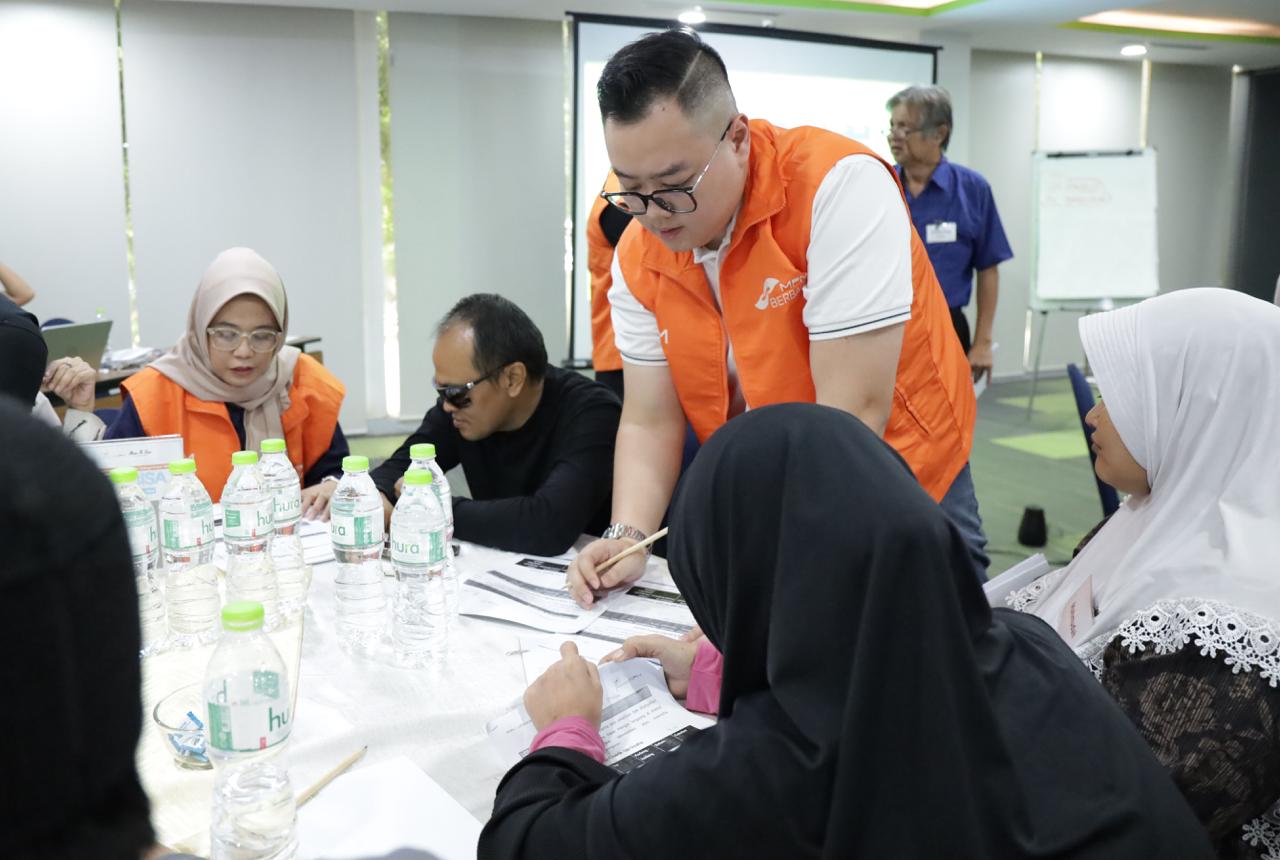
Access to equal skills training and economic opportunities remains a challenge for persons with disabilities in Indonesia. In addition to facing barriers in entering the formal workforce, some individuals with disabilities also face limitations in accessing education, capacity-building training, and support to build economic independence.
Recognising these challenges, PT Mitra Pinasthika Mustika Tbk (MPMX) is providing the MPM BISA (Inclusive Business Ready for Action) programme as an expansion of its flagship corporate social responsibility (CSR) programme, the Life Skill Training Center (LSTC). LSTC is an MPMX economic empowerment initiative that has been running since 2015 by providing skills related to the company’s business expertise.
At its inception, LSTC was initiated as a response to the need for mechanics. The programme subsequently expanded to open driver partnership access at MPMRent.
Over time, LSTC has also been expanded through the strengthening of financial literacy and personal financial risk management, with a broader scope of beneficiaries, including online motorcycle taxi drivers, online taxi drivers, and students. This year, MPMX has expanded the direction of the LSTC programme to target groups of persons with disabilities.
This development is intended to encourage equal access to education and economic opportunities, while supporting the creation of more inclusive financial independence. These efforts are realised through training in financial literacy, business and financial risk management, digital security literacy, confidence building, and business mentoring.
Working with the Mien R. Uno Foundation as an implementing partner, the MPM BISA programme targets 30 entrepreneurs with disabilities from the visually impaired and physically disabled groups. Participants are selected through an administrative selection and interview process to assess their needs, potential, and motivation in developing their businesses.
GM of Corporate Communication & Sustainability at MPMX, Natalia Lusnita, stated that MPM BISA is designed not merely as a training programme, but as a more inclusive collaborative space involving persons with disabilities as part of a shared journey to grow and develop.
“We want to strengthen the capacity of entrepreneurs with disabilities in the MSME sector by sharing knowledge related to literacy, whether in managing businesses, understanding opportunities, building competitiveness, or developing businesses sustainably,” she said in an official statement.
Natalia added that every entrepreneur possesses great potential, and access to knowledge can be one of the keys to unlocking these various opportunities.
Through MPM BUS, the Company aims to support entrepreneurs with disabilities so they possess the knowledge, confidence, and stronger capacity to develop their businesses.
The MPM BISA programme series runs for three months, beginning with the participant recruitment process in May and concluding in July 2026.
The programme includes stages of preparation and recruitment, training, enrichment, mentoring, judging, grant provision, and reporting. As part of this series, offline training was conducted on 9–10 June 2026. All participants attended the educational classes to receive training on core materials including financial literacy, financial risk management, digital security, digital ethics, and business ethics.
These materials are designed to help participants understand more prudent business financial management, recognise financial risks, and increase readiness in running businesses amidst the development of the digital ecosystem.
Through this involvement, the MPM BISA programme serves as a two-way learning space. Not only does it serve as a training platform for participants, but volunteers also gain valuable lessons regarding resilience, creativity, entrepreneurial spirit, and new perspectives in viewing opportunities and challenges.
To strengthen the programme’s impact, MPMX provides grant support for three selected participants as capital for business development. Grant recipients will be determined based on an assessment process throughout the programme, including commitment, consistency, and the participants’ ability to apply the training materials to their business development plans.