
MPLS Must Abandon 'Mental Testing' Pattern, Schools Urged to Become Safe Spaces for New Students
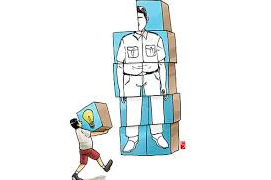
The National Coordinator of the Indonesian Education Monitoring Network (JPPI), Abdullah Ubaid Matraji, has asserted that the School Environment Introduction Period (MPLS) must undergo a complete paradigm shift.
The orientation, long associated with testing the mental resilience of new students, must be abandoned and replaced with a warm, safe and enjoyable welcoming process.
According to Matraji, MPLS should focus on helping students adapt to the school environment, not serve as a vehicle for intimidation or the perpetuation of seniority culture.
“The MPLS paradigm must be changed entirely. What used to be ‘mental testing’ must become a moment of warm welcome. The focus should be on helping students get to know the school culture, facilities, learning systems and teachers through interactive activities, such as collaborative games and enjoyable school tours,” Matraji said when contacted on Monday (13 July).
He believes the implementation of MPLS must also encourage active student involvement. Therefore, lectures lasting hours should be reduced and replaced with activities that give new students room to introduce themselves, showcase their interests and talents, and share their aspirations for their education at the school.
Matraji reminded that the first day of school determines a student’s initial impression of the world of education. Negative experiences during MPLS can therefore disrupt the learning process in the long term.
“MPLS is the first gateway to the face of our education. If the very first day of school is marked by fear or pressure, future learning will be hindered. Schools must be a child’s third safe space, after the home and family environment,” he said.
Beyond changing activity patterns, Matraji urged schools to end all practices that could humiliate new students. He highlighted the continued use of absurd accessories, such as sack bags, excessive hair pigtails and insulting name tags.
In his view, such accessories only place new students in an inferior position and open the door to bullying from the very first day of school. “The use of strange or humiliating accessories must be firmly prohibited. Such practices psychologically place students in an inferior position and make them vulnerable to bullying,” he stressed.
On another front, Matraji also asked every school to establish an easily accessible complaint mechanism during MPLS. Such complaint channels must guarantee the confidentiality of both the reporter’s and victim’s identities so that students are not afraid to report suspected bullying or violence.
“Schools are obliged to provide and announce complaint channels that guarantee the confidentiality of the reporter’s identity. From day one, new students must know where to report if they experience or witness unpleasant actions,” he concluded.