
MPLS 2026 Assessments Expanded, Students to Take Three Tests on Day Three
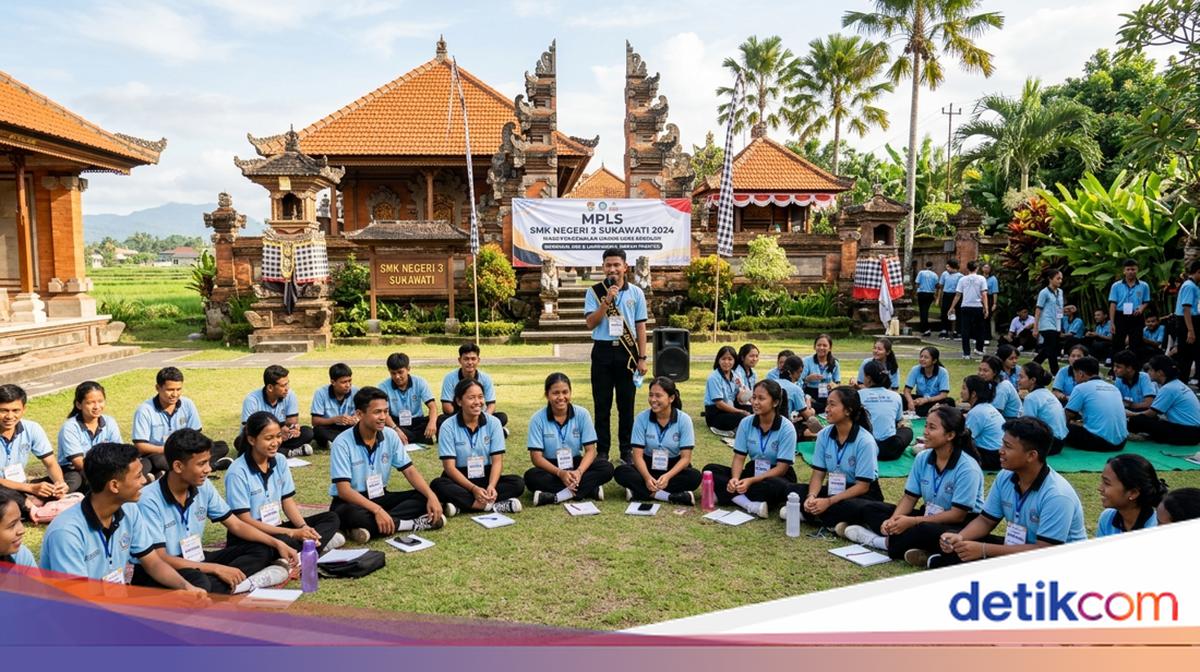
The implementation of the 2026 Ramah (Friendly) Masa Pengenalan Lingkungan Sekolah (MPLS) student orientation programme will see several changes, including an increase in the types of assessments new students must undergo. Head of the Character Strengthening Centre (Puspeka) at the Ministry of Primary and Secondary Education (Kemendikdasmen), Rusprita Putri Utami, stated that students will take several tests on the third day of MPLS. While a 60-minute literacy and numeracy assessment was already introduced during MPLS 2025, the ministry is expanding the scope to three types of assessments in 2026 to obtain a more comprehensive picture of students’ conditions. “This year, there are several reinforcements compared to the 2025 MPLS, especially in the aspects of recognising self-potential and students’ support needs,” Rusprita said, as quoted from a recorded broadcast of the 2026 Ramah MPLS Solution Webinar on the Ministry’s Cerdas Berkarakter YouTube channel on Wednesday (24/6/2026). On the third day of MPLS, students will complete three tests within a 90-minute period. These tests include an initial identification of social-emotional conditions and learning concentration, a literacy and numeracy assessment, and an identification of talents and interests. Unlike previous years, all test instruments and data processing for the 2026 MPLS will be prepared directly by Kemendikdasmen. The assessment results will be available as individual reports for each student and as a school-level recapitulation, accessible through the Ramah MPLS System. “Thus, not only teachers can use the results as a basis for designing learning preparations, but school principals can also use them for planning school programmes related to talents, interests, and creating a safe and comfortable school culture,” Rusprita explained. The test results will also be shared with parents, with the expectation that they can use the information to strengthen the parenting process at home. In addition to the third-day tests, the 2026 MPLS will also feature a fitness assessment on the second day, involving body mass identification and flexibility tests. Schools are also encouraged to open registration for free health check-ups before and during the MPLS series, with the results to be reported in the school evaluation after MPLS concludes. “Thus, the 2026 MPLS moves more strongly from merely introducing the school environment to a more holistic introduction of the student, covering academic, social, emotional, talent, interest, and health aspects, as well as learning support needs,” Rusprita affirmed. The series of tests will vary by education level, with parental involvement in filling out instruments during MPLS socialisation. For kindergarten and primary schools, parents will complete instruments identifying social-emotional conditions, body mass, and talents and interests, while primary students will also take a flexibility test on the second day. Junior and senior high school students will undergo body mass identification and flexibility tests on the second day, followed by social-emotional, literacy, numeracy, and talent-interest assessments on the third day. Special needs school (SLB) students will undergo a body mass identification test assisted by teachers, with results and recommendations conveyed to parents according to a reference guide.