
MP Urges Forestry Ministry to Control Long-Tailed Macaque Population
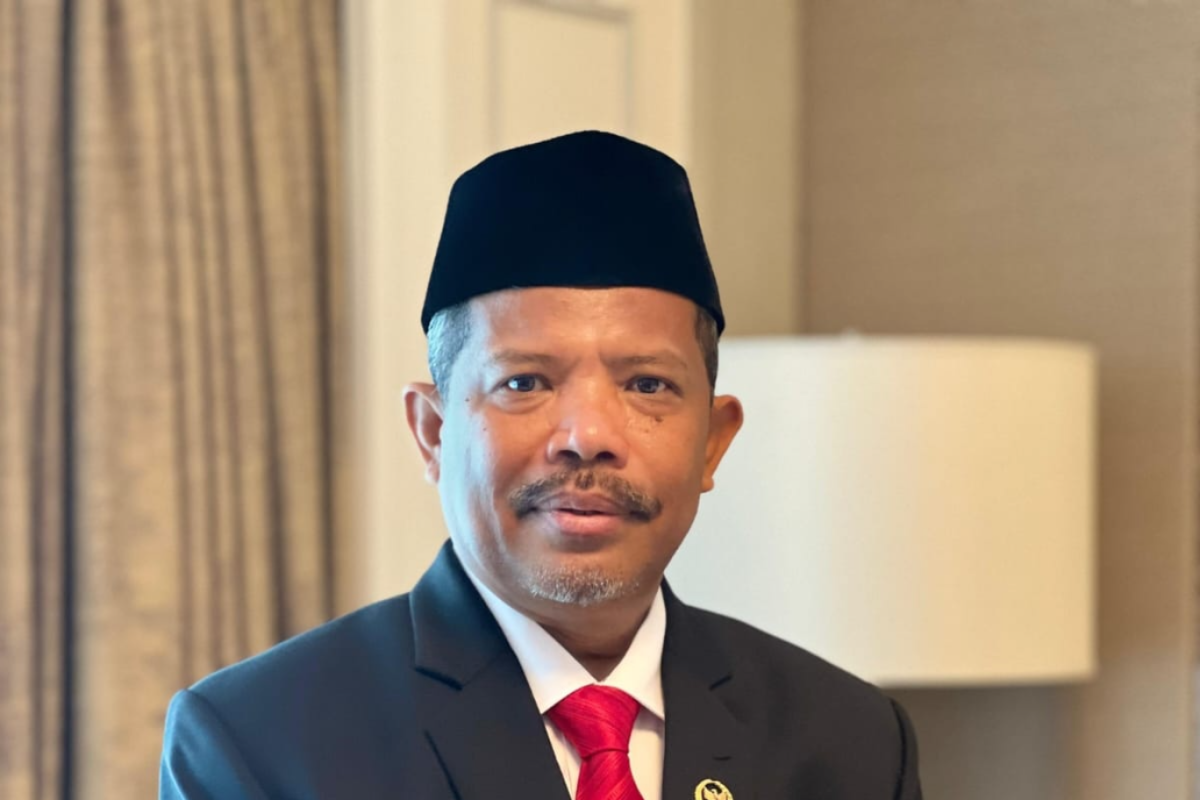
A member of Commission IV of the House of Representatives (DPR), Johan Rosihan, has urged the Ministry of Forestry to control the population of long-tailed macaques (Macaca fascicularis), which have recently been causing damage to agricultural land and plantations, and even attacking residents. He stated that the government must have a clear population control instrument. However, he stressed that such control must not be carried out haphazardly, and must have a legal basis, be supported by scientific studies, be measurable, and still fulfil the principles of animal welfare. “When a resident has been bitten, human safety is threatened, and even farmers suffer losses because their crops are continuously destroyed, then this issue concerns the protection of citizens and the economic losses of the community,” Johan said in Jakarta on Wednesday. According to him, long-tailed macaques, which are classified as synanthropic animals, have the ability to adapt to human environments, including utilising food sources available around settlements and agricultural land. “Therefore, our policies must also adapt to the characteristics of this conflict,” he said. He noted that in early 2026, the East Java Natural Resources Conservation Agency (BBKSDA) handled a case where a long-tailed macaque injured a toddler in Jember. A biting case also occurred in Gresik, which led to the evacuation of the animal from the residential environment. He said the state should not stop at merely chasing away or evacuating the monkeys every time a conflict occurs. According to him, the Ministry of Forestry needs to seriously conduct studies on the population and carrying capacity of the habitat. This study is important to determine the population conditions in locations experiencing repeated conflicts and to ascertain whether the number of animals is still within the carrying capacity of their habitat. He stated that if in certain locations the macaque population is already excessive, aggressive, repeatedly attacks humans, and causes economic losses, the government must have a clear population control instrument. Furthermore, he emphasised that conservation should not be pitted against human safety and welfare. He said the state has a responsibility to protect biodiversity while also ensuring that communities living alongside wildlife do not bear the impact of conflicts alone. “We must protect biodiversity, but the state is also obliged to protect citizens who live side by side and bear the impact of conflicts with wildlife,” he said.