
MP: Tofu and Tempeh Artisans Struggling Amid Rupiah Volatility
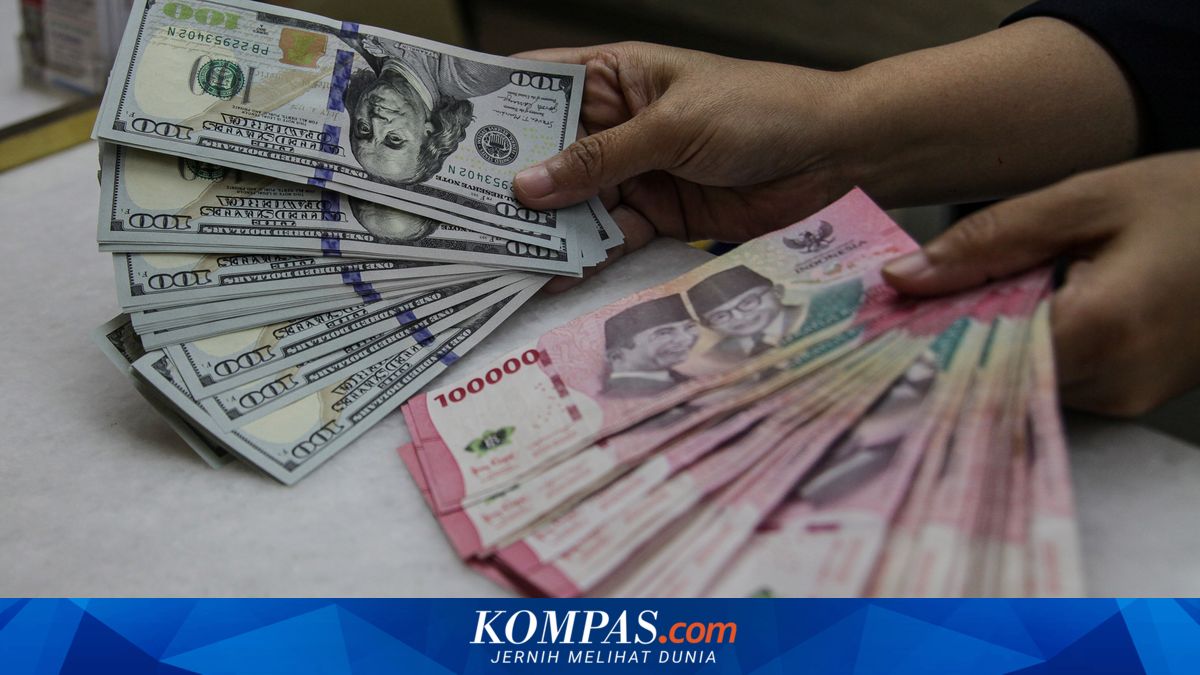
JAKARTA — Member of Commission XI of the House of Representatives (DPR) from the Golkar Party, Eric Herramwan, stated that the exchange rate dynamics of the Rupiah against the US Dollar are already impacting community economic activities, specifically affecting tofu and tempeh artisans.
“At the grassroots level, producers of food commodities such as tofu and tempeh are beginning to struggle to manage domestic soybean prices, which have soared far above international prices,” said Eric Hermawan in a statement on Sunday (17/5/2026).
He assessed that the depreciation of the Rupiah against the US Dollar, which has breached the Rp 17,600 level, was triggered by dual pressures: external factors involving the escalation of global geopolitics in the Middle East causing capital outflow, and domestic factors related to future fiscal risk perceptions.
Furthermore, Eric noted that because the national industrial structure still maintains a high dependency on imported raw materials—reaching 70 per cent in the chemical, textile, electronics, and pharmaceutical sectors—this depreciation is certain to drive up production costs.
“We are facing a real threat of imported inflation. When capital and raw material costs surge due to the weakening Rupiah, producers are faced with a difficult choice: erode their profit margins or pass those costs on to consumers through price increases,” Eric said.
However, Eric emphasised that exchange rate stability cannot rely solely on monetary instruments. According to him, aggressive fiscal synergy from the Ministry of Finance is required to maintain short-term sustainability.
Eric subsequently urged the government to immediately and accountably activate the Bond Stabilisation Fund (BSF) mechanism to dampen volatility in the Government Securities (SBN) market.
On the other hand, Eric also highlighted price asymmetry anomalies in the trade of imported commodities such as soybeans. Based on economic studies, there is a time lag and market distortion that keeps domestic prices high even when global commodity prices are falling.
Regarding this issue, Eric requested that relevant ministries, alongside supervisory bodies, increase oversight penetration within the import supply chain to prevent information asymmetry practices that disadvantage small businesses and MSMEs.
“Our fiscal policy response must be adaptive, precise, and measured. Amidst the 2026 State Budget (APBN) expenditure structure, which accommodates various strategic ministries and agencies such as the Ministry of Defence, the National Police, and the Ministry of Public Works, the government must maintain a healthy fiscal space,” Eric explained.