
MP Says Anti-Bullying Law Should Be Reviewed
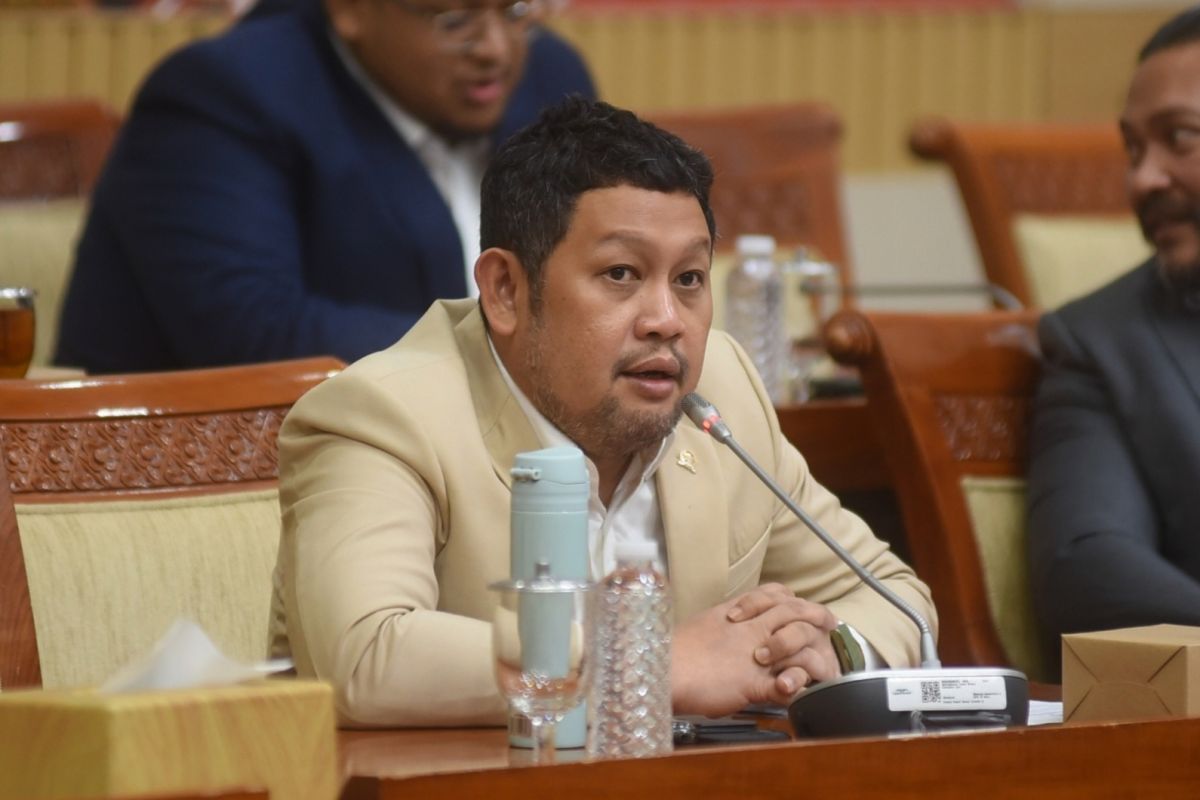
Jakarta (ANTARA) – Abdullah, a member of the House of Representatives’ Commission III, said an anti-bullying law should be reviewed to strengthen efforts to prevent and address bullying, particularly among children.
“In my view, bullying among children has reached an emergency point and radical reform is needed. We cannot keep reacting only after there are victims,” he said in a statement received in Jakarta on Monday.
The legislator, who focuses on law enforcement, said a review was needed to assess whether current regulations are adequate and to identify gaps in protecting children from bullying.
If a dedicated law is considered capable of strengthening protection, he said, the proposal should be discussed collectively. This would demonstrate the state’s commitment to preventing bullying cases from recurring.
He also said the system for preventing and responding to bullying should be evaluated with the involvement of families, schools and peer groups.
The evaluation is needed to measure the effectiveness of existing programmes and ensure that prevention and response efforts reflect conditions on the ground.
Abdullah identified two problems in addressing bullying: uneven understanding of prevention and response in line with legislation, and a lack of integration among anti-bullying initiatives.
He said these shortcomings could mean that bullying is addressed mainly after a case occurs and attracts public attention, while prevention remains inadequate.
In this context, he highlighted the cases of MHAQ (7), a pupil at State Elementary School 1 Kebondalem in Pemalang, Central Java, and Z (10), a child with Down’s syndrome in Surabaya, East Java. Both died allegedly as a result of bullying.
Abdullah said addressing the problem would require more than repeating existing approaches. He called for comprehensive reform, including an assessment of whether current regulations are sufficient.
“I have been wondering whether Indonesia needs a dedicated anti-bullying law. Such a law could regulate various aspects, from the scope of protection and the obligations of each stakeholder to sanctions, oversight and the recovery of victims,” he said.