
MP: New National Nutrition Agency Officials Must Build Anti-Corruption Systems
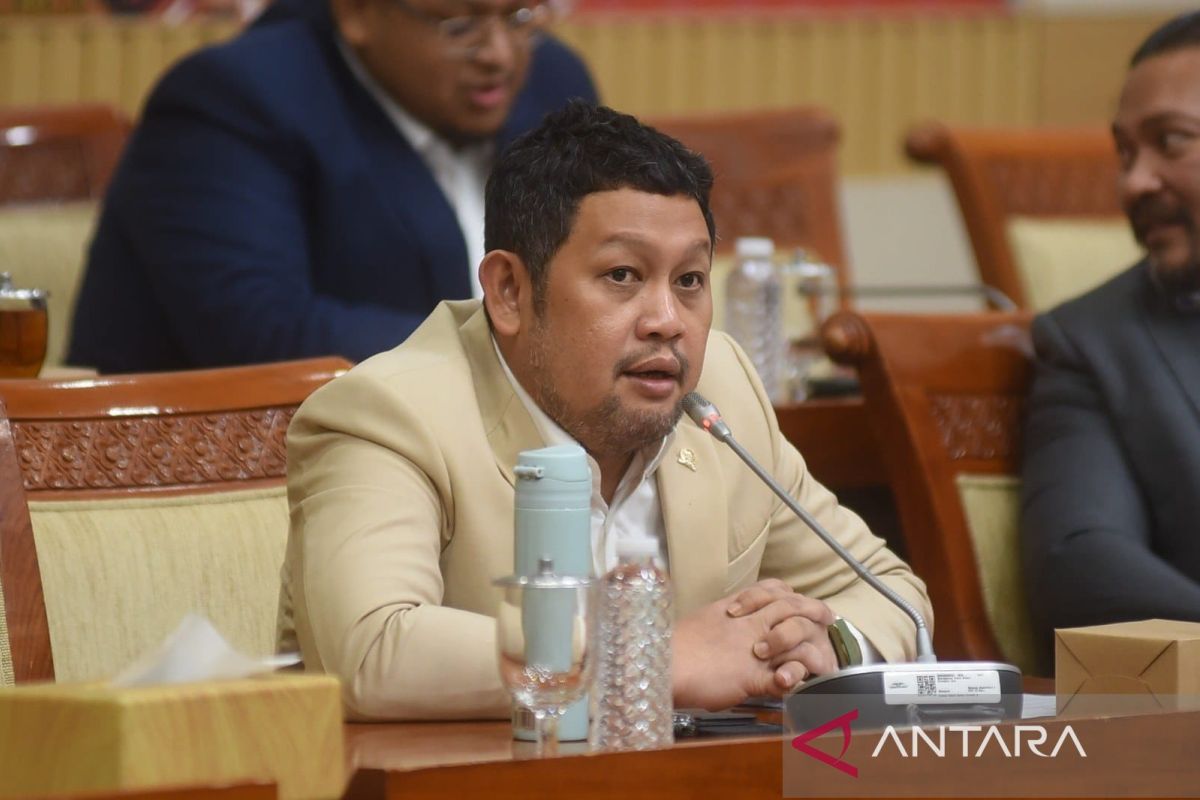
Jakarta (ANTARA) - Abdullah, a member of Commission III of the Indonesian House of Representatives (DPR RI), has called upon the new officials of the National Nutrition Agency (BGN) to prioritise the development of an anti-corruption governance system for the implementation of the Free Nutritious Meal (MBG) programme. This follows the designation of a former BGN official as a suspect in an alleged corruption case.
According to Abdullah, the eradication of corrupt practices within the BGN must not stop at the identification and arrest of suspects. “If the system is improved, the benefits of this programme will be increasingly felt by the community, and the ultimate goal of improving the nutritional quality of Indonesian children can be achieved,” Abdullah stated at the parliamentary complex in Jakarta on Thursday.
He noted that the primary task for the new head of the BNS is to restore public trust. Abdullah believes that the corruption case involving BGN governance must serve as a vital lesson for conducting comprehensive reforms. He urged the new leadership to ensure that no further loopholes exist that could be exploited for criminal acts.
“The change in leadership must not merely involve replacing individuals without fixing the system. What must be built is governance that is transparent, accountable, and subject to open supervision,” said the legislator, who oversees law enforcement matters.
Abdullah emphasised that transparency is one of the most effective ways to close the space for irregularities. He believes that when data and information are accessible to the public, the opportunity for manipulation decreases because oversight is conducted not only by the government but also by the community.
Furthermore, he requested that moving forward, the BGN must be more open to criticism and input from various parties. In his view, criticism based on facts and data is an essential part of the effort to improve programme governance. “There must no longer be a defensive attitude towards criticism presented by the public, academics, the media, or other relevant parties. It is through objective criticism that the BGN can identify problems and implement continuous improvements,” he concluded.