
MP Member: Untirta plays vital role in preparing superior human resources for Indonesia
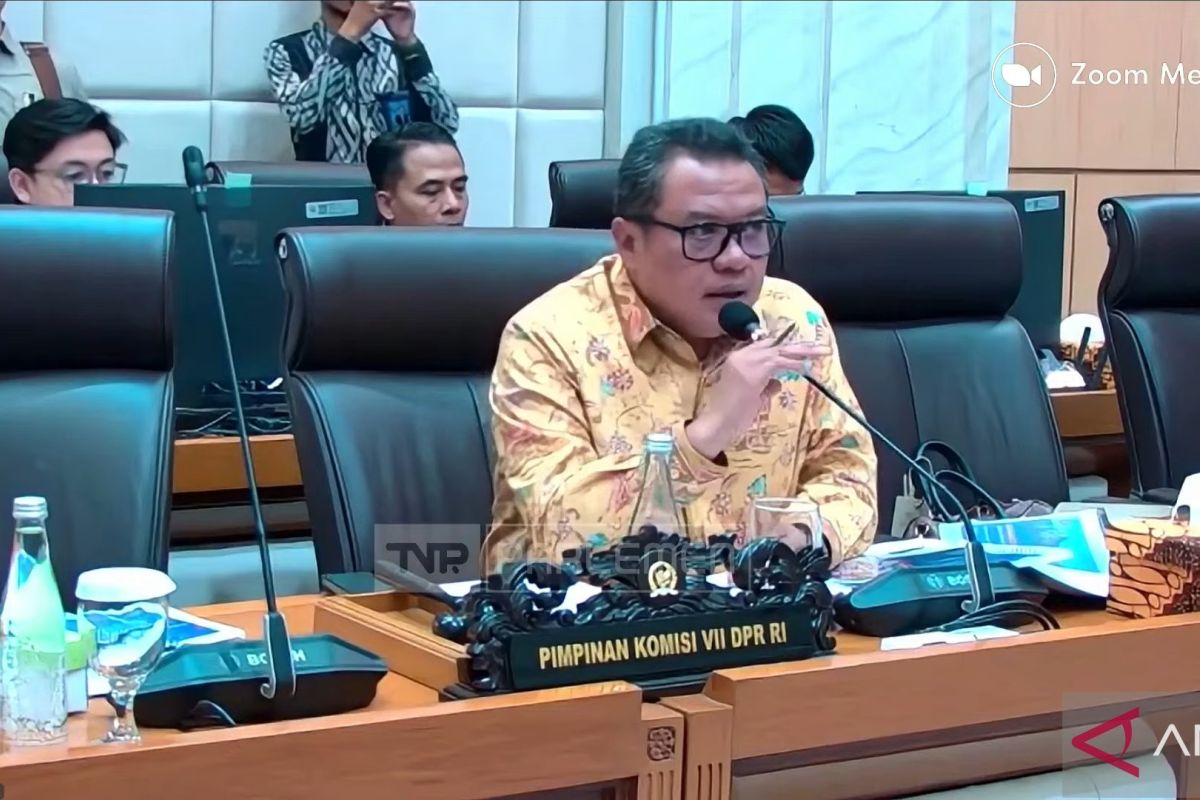
Jakarta (ANTARA) - The Vice Chairman of Commission VII of the Indonesian House of Representatives (DPR RI) and Chairman of the Sultan Ageng Tirtayasa University Alumni Association (IKA Untirta), Lamhot Sinaga, has asserted that Untirta holds a crucial role in developing human resources in Banten, which will ultimately contribute to national progress.
“Untirta must be one of the main locomotives for improving the quality of human resources in Banten. This campus must be able to read the changing times and prepare graduates who are not only ready to enter the workforce but are also capable of creating jobs,” Lamhot stated in a briefing in Jakarta on Friday.
He noted that the development of industry, trade, services, tourism, the creative economy, and digital transformation requires human resources possessing both competence and adaptability. In this context, Lamhot believes Untirta has a significant opportunity to be at the forefront of higher education in Banten, impacting both community welfare and the national economy.
He also extended his congratulations on the 45th Anniversary (Dies Natalis) of Sultan Ageng Tirtayasa University (Untirta). Lamhot expressed hope that the 45-year milestone would serve not just as a celebration of past achievements, but as a turning point to strengthen the university’s contribution to society, the development of Banten, and the progress of Indonesia.
“Happy 45th Anniversary to Sultan Ageng Tirtayasa University. I express my appreciation and respect to the entire Untirta academic community, which has maintained and developed traditions of academia, research, community service, and innovation,” he said.
According to Lamhot, 45 years represents a long journey demonstrating that Untirta has become an essential part of higher education development in Banten. Therefore, he hopes Untirta does not stop at institutional achievements but continues to expand its contributions so that the campus’s presence is truly felt by the community.
“Higher education must not merely be a space for producing graduates. A campus must be a centre of knowledge, a centre of innovation, and a strategic partner to the community and the government in addressing various development issues,” Lamhot remarked.
Lamhot assessed that the relationship between higher education and economic growth is inseparable. The quality of education determines the quality of the workforce, while the quality of the workforce influences the productivity and economic competitiveness of a region. Consequently, he hopes that the future development of Untirta will be increasingly directed towards strengthening research, innovation, entrepreneurship, technology, and collaboration with the industrial world.
“If we want the economy to grow sustainably, the foundation is human capital. We need educated people who possess skills, are capable of innovating, and have the courage to create something new,” he said.
He also encouraged that the results of research and innovation emerging from the Untirta environment should not remain confined to academic spaces. The knowledge produced by universities, he stated, needs to be translated into solutions that can be utilised by the community and the business world.
According to Lamting, the campus holds a strategic position as a bridge between science, community needs, and industrial development. “Research must be beneficial. Innovation must be able to answer community needs. And education must have a connection to the economic realities faced by the people,” he said.
In his view, the challenges facing higher education are becoming increasingly complex. The development of artificial intelligence, automation, the digital economy, changes in industrial structures, and the need for knowledge-based jobs will alter the competency map of the workforce. Therefore, Untirta needs to continuously strengthen an adaptive learning ecosystem so that students possess both academic abilities and skills relevant to the changing world of work.
“Untirta students must be prepared not only to face today’s world but also the world ten or twenty years from now. Therefore, the abilities of critical thinking, creativity, technology, entrepreneurship, and character must progress together,” said Lamhot.
Lamhot also emphasised the importance of strengthening the relationship between Untirta and its alumni. According to him, alumni are part of the university ecosystem that can contribute through professional experience, networking, mentoring, cooperation, and support for campus development.
As the Chairman of IKA Untirta, Lamhot stated that the alumni organisation has a responsibility to help strengthen the link between the campus and the professional world. “IKA Untirta must be a bridge that brings together the potential of the campus with the experience of the alumni. We want alumni to be present not just during ceremonial events, but also in the development of education, research, entrepreneurship, industrial networking, and community service,” he said.
He hopes that the synergy between the academic community, alumni, government, the business world, and the public can be further strengthened. Such collaboration is deemed essential so that higher education does not operate in isolation when facing development challenges.
Lamhot stated that educational development is ultimately not just about building structures, increasing student numbers, or adding study programmes. More than that, educational development must be reflected in the ability of a university to produce people and knowledge that deliver a real impact.
“The measure of a university’s success is not just how much the institution grows, but how much it contributes to society and the nation,” he concluded.
Source: jawawa.id (https://jawawa.id/newsitem/mp-member-untirta-plays-vital-role-in-preparing-superior-human-resources-for-indonesia-1790334408)
Originally published by Antara (Indonesian) (https://www.antaranews.com/berita/5758487/anggota-dpr-untirta-berperan-siapkan-sdm-unggul-untuk-indonesia), translated from Indonesian