
MP Member Evaluates Free Nutritious Meal Programme as Having Positive Impact on the People, Here are the Reasons
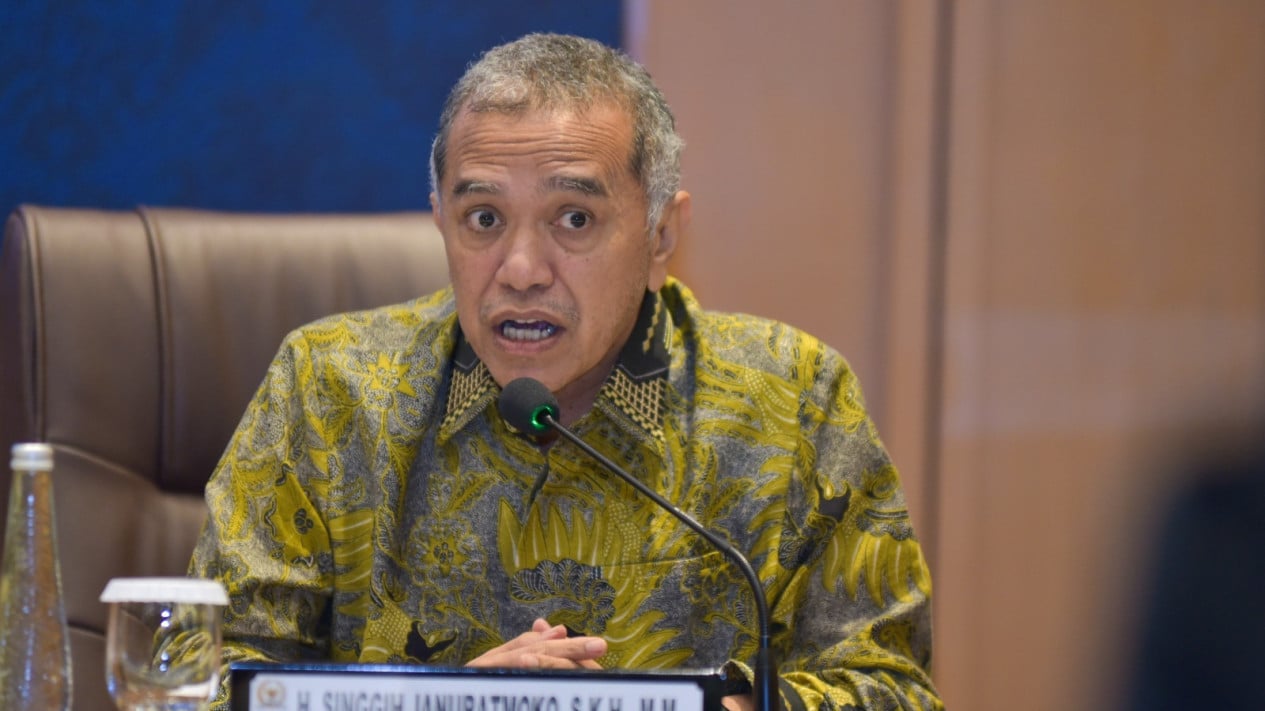
The Deputy Chairman of Commission VIII of the Indonesian House of Representatives (DPR RI), Singgih Januratmoko, supports the continuity of the Free Nutritious Meal (MBG) programme. According to him, the programme is not only vital for meeting the nutritional needs of the community but also carries significant economic impacts for poultry farmers and food-related SMEs in the regions.
Singgih believes that the sustainability of the MBG programme can create a more predictable market for local livestock products, particularly chicken meat and eggs. With a relatively measurable demand from this government programme, farmers will have market certainty, which can help suppress price volatility at the producer level.
“Behind this programme lies a very large economic ecosystem, ranging from chicken farmers, layer farmers, SMEs, cooperatives, distributors, to local labour in the regions,” Singlam said in his statement on Thursday, 10 September 2026.
According to him, one of the persistent issues faced by small-scale farmers is the fluctuation in the prices of chicken and eggs. When production is abundant while market absorption is limited, prices at the farmer level can drop, sometimes falling below economically viable levels.
“If the absorption of chicken and egg products increases consistently through the MBG, this could serve as an instrument to maintain the balance of supply and demand. Farmers will no longer constantly face situations where prices crash during periods of high production,” he said.
Singgih emphasised that the economic benefits of the MBG will be even greater if the supply chain provides adequate space for small-scale farmers and local SMEs. He noted that the government needs to ensure that the procurement of food ingredients for MBG kitchens is not concentrated solely on large corporations. Small-scale farmers, cooperatives, farmer groups, Village-Owned Enterprises (BUMDes), and SMEs in the beneficiary areas must be given the opportunity to be part of the supply chain.
“We must ensure that a programme as large as the MBG does not leave small-scale farmers as mere spectators. There must be a design so that raw materials such as eggs and chicken can be absorbed from local farmers as much as possible,” Singgih stated.
He assessed that a region-based procurement pattern could provide dual benefits. In addition to shortening the distribution chain, such an approach would ensure that more money circulated through the MBG programme remains within the local regions.