
MP Highlights Risks of Conflicts of Interest Behind Government's Partnership with "Homeless Media"
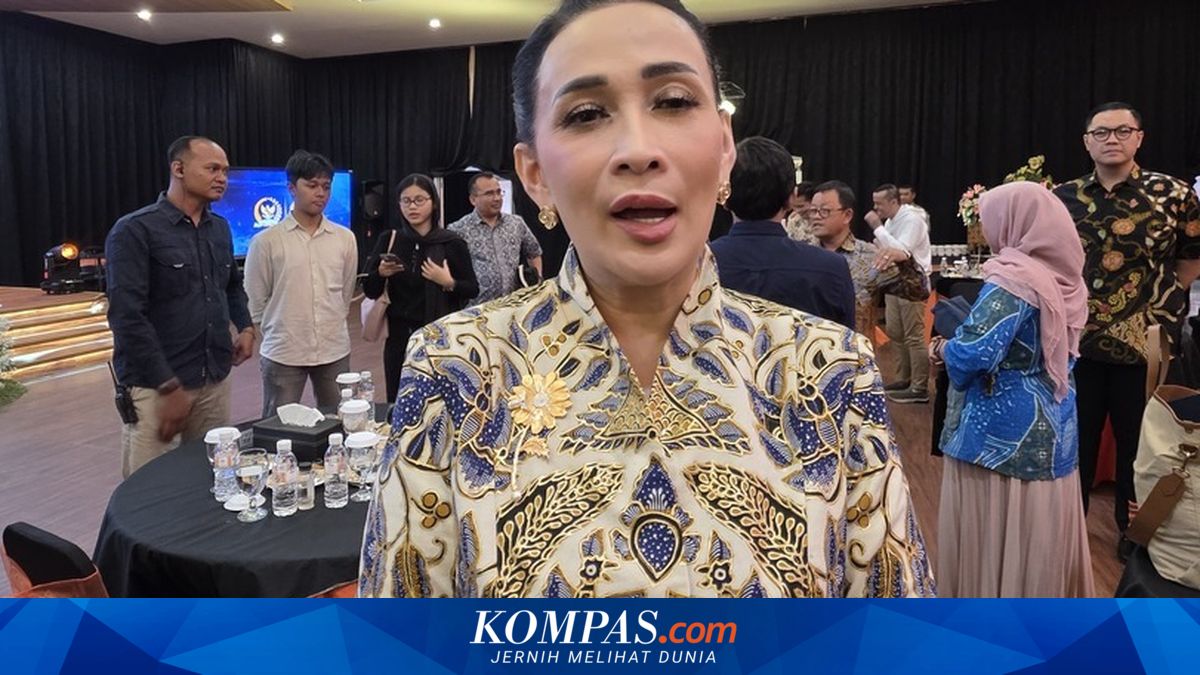
JAKARTA, KOMPAS.com - Member of DPR RI Commission I Amelia Anggraini has highlighted the potential for conflicts of interest behind the government’s move to partner with several “homeless media” or non-conventional digital media outlets as partners in government communication.
Amelia assesses that the phenomenon of homeless media can no longer be ignored, as it has become part of the digital information ecosystem that influences public opinion.
However, on the other hand, the government’s step to embrace them still needs to be monitored to avoid creating double standards or issues with public accountability.
“When the government tries to embrace, educate, and encourage their transformation into more professional entities as part of new media, that can certainly be appreciated,” said Amelia on Thursday (7/5/2026).
Amelia stated that what is now known as homeless media is actually not a new phenomenon.
According to her, similar models emerged during the citizen journalism era around 10 to 15 years ago through personal blogs or participatory channels facilitated by major media outlets.
She cited platforms such as Kompasiana, PasangMata from detikcom, NET CJ, Indonesiana, and various digital community forums that developed before social media dominated information distribution.
“The difference now is that the ecosystem has shifted and expanded on social media because creating accounts is much easier, distribution is fast, and the audience market is indeed on digital platforms like TikTok, Instagram, X, or YouTube,” said Amelia.
“They have a significant influence on public opinion, sometimes even faster than conventional media, but many lack editorial structures, verification mechanisms, editorial responsibility, right of reply, or clear journalistic ethical standards,” she said.
Therefore, Amelia views the updating of digital media regulations as a challenge currently faced by the government and the DPR.
She mentioned that many rules are still drafted based on the conventional media ecosystem, thus starting to lag behind technological developments and public information consumption patterns.
“The media ecosystem has changed very quickly, while many rules are still formulated in the conventional media era. That is why the DPR is trying to catch up so that our regulations remain relevant and no one feels above the law just because they are on digital platforms,” she stated.
Nevertheless, Amelia warns that regulatory updates should not turn into excessive rules that instead limit freedom of expression in the digital space.