
MP Encourages Hidayatullah Students to Become Faith-Based Entrepreneurs
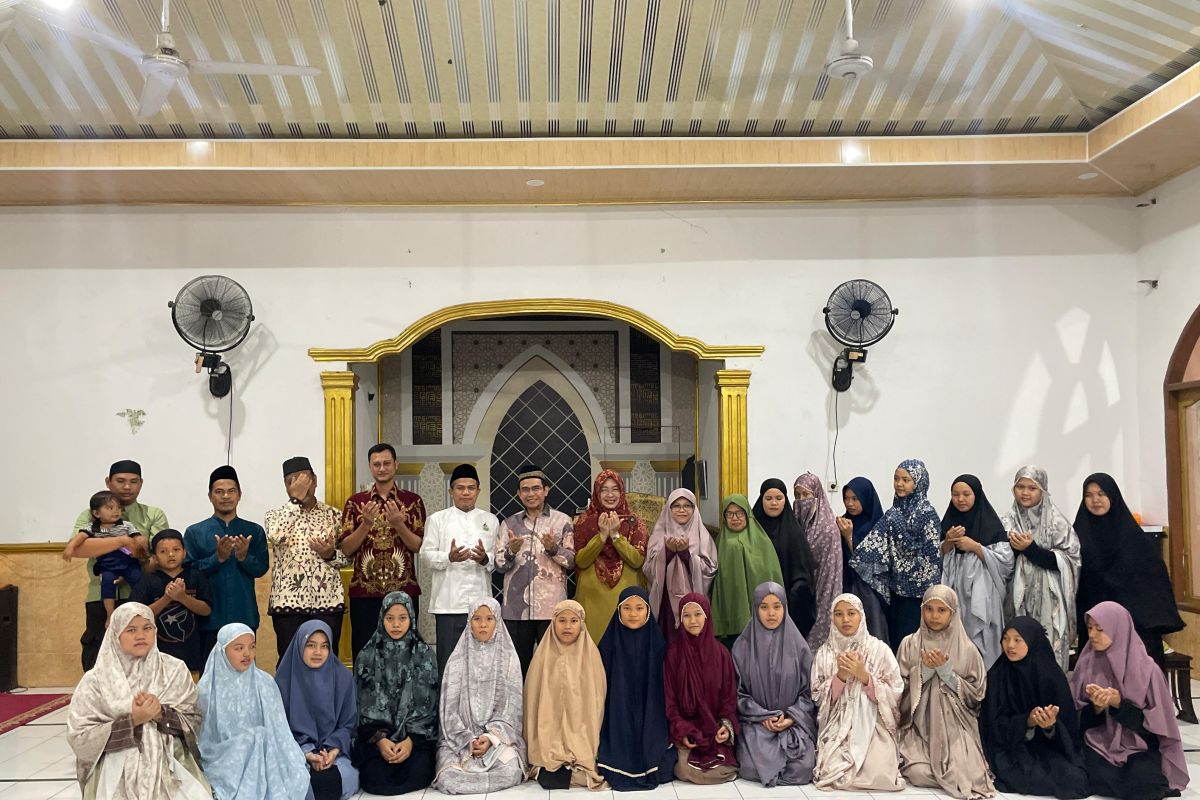
Jakarta (ANTARA) — Hendry Munief, a member of Commission VII of the House of Representatives (DPR RI), has urged students at the Hidayatullah Islamic Boarding School (Pondok Pesantren) in Pekanbaru to develop an entrepreneurial spirit from an early age by combining technological proficiency with tawhid values, so they can create independent businesses that also benefit society.
During a visit to the Hidayatullah boarding school in Industri Tenayan Village, Tenayan Raya Subdistrict, Pekanbaru, on Wednesday (29 July), Hendry said that pesantren play a strategic role in producing a generation that masters not only religious knowledge but also the ability to build economic independence.
“Santri today must dare to become entrepreneurs. With a strong foundation of tawhid values, they will not merely seek profit, but also bring blessings and benefits to society,” Hendry said in a statement issued in Jakarta on Thursday.
He added that technological development and digitalisation should be seized as opportunities to grow businesses without abandoning the Islamic values that underpin pesantren education.
“Santri must not only be equipped with religious knowledge, but must also have economic independence so they can become a solution for the community,” he said.
According to Hendry, strengthening santri capacity in entrepreneurship is expected to support the emergence of new business players who contribute to strengthening the community economy while expanding job opportunities.
The Hidayatullah Islamic Boarding School applies an Integral Education System Based on Tawhid, combining the national curriculum with pesantren studies.
The institution, founded on 5 February 1973 in Balikpapan by K.H. Abdullah Said, has since grown into a national education network with around 600 branches across 37 provinces.
In Riau Province, the Hidayatullah network manages various formal and non-formal education units and develops economic independence through a number of business ventures, such as retail, agriculture, livestock farming and fisheries, as part of pesantren-based community empowerment.