
MP: Domestic Workers Protection Law Must Break the Chain of Exploitation
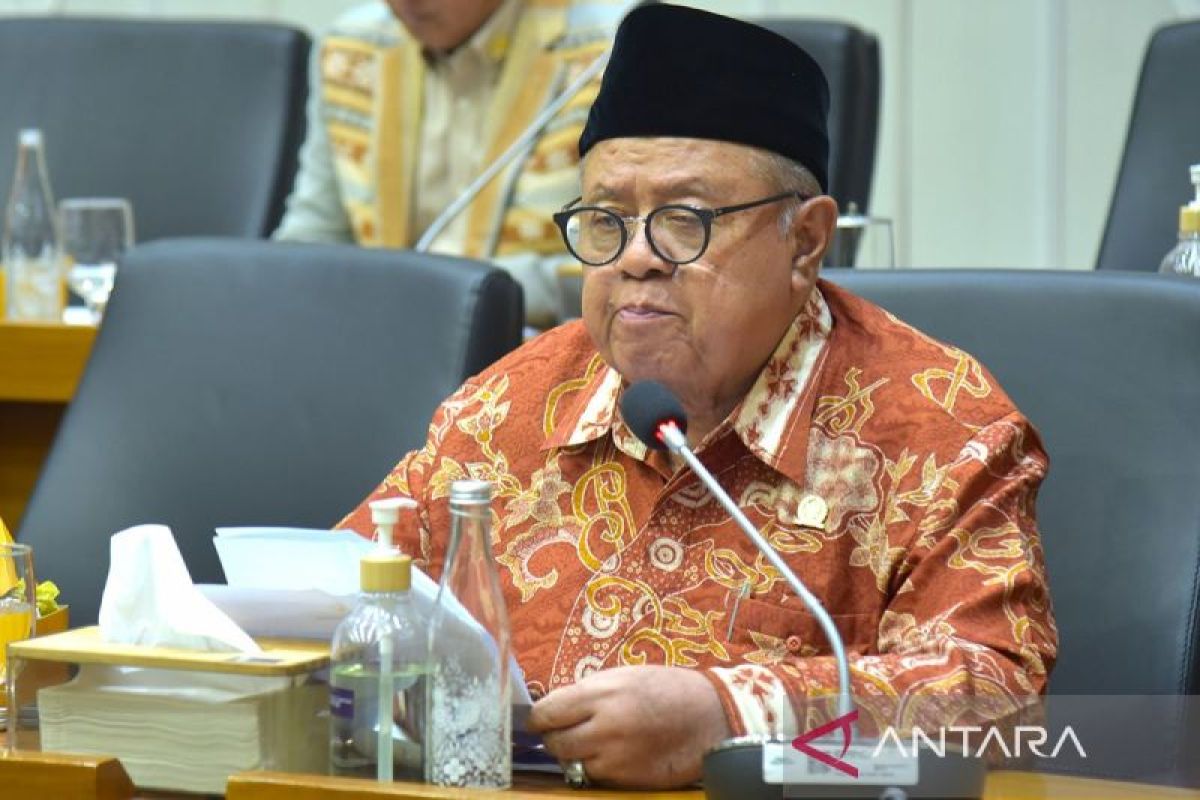
Jakarta (ANTARA) - Member of the Indonesian House of Representatives’ Legislation Body, Habib Syarief, has welcomed the ratification of the Domestic Workers Protection Law (UU PPRT) during a plenary session held on Tuesday.
According to Habib, the law must not merely exist as a rule on paper but should effectively break the chain of exploitation and provide respect for human rights as well as justice for millions of domestic workers in the country.
“We are very grateful that the UU PPRT has finally been ratified. However, we urge that this law not become a paper tiger. It must be capable of breaking the chain of exploitation and providing respect for human rights and justice for our millions of domestic workers,” he said in Jakarta on Tuesday.
Furthermore, Habib stated that the UU PPRT must serve as a legal instrument that provides maximum protection for approximately 4.2 million domestic workers in Indonesia, the majority of whom are women and children. Until now, he said, this group has been in the most vulnerable position against exploitation, discrimination, and inhumane treatment.
The legislator from West Java also highlighted strict regulations regarding the minimum working age. The UU PPRT stipulates a minimum age of 18 years for someone wishing to work as a domestic worker. According to him, this provision aligns with the Child Protection Law and the Manpower Law to ensure there are no more practices of employing underage children.
“The regulation of a minimum age of 18 years must be adhered to without compromise. There should no longer be children working as domestic workers. This is a firm step to guarantee their future,” said Habib.
In addition to legal protection, the UU PPRT is known to mandate the central government, regional governments, and placement agencies to provide vocational training. This empowerment programme is expected to enhance the competence of domestic workers, so that they have added value and better bargaining power in the workforce.
“Education and vocational training are very important as provisions to make domestic workers more empowered. We hope that with this law, the dignity of domestic workers will be increasingly recognised and their rights will be fully protected by the state,” he said.