
MP: Culinary Sector Is the Biggest Contributor to the Creative Economy
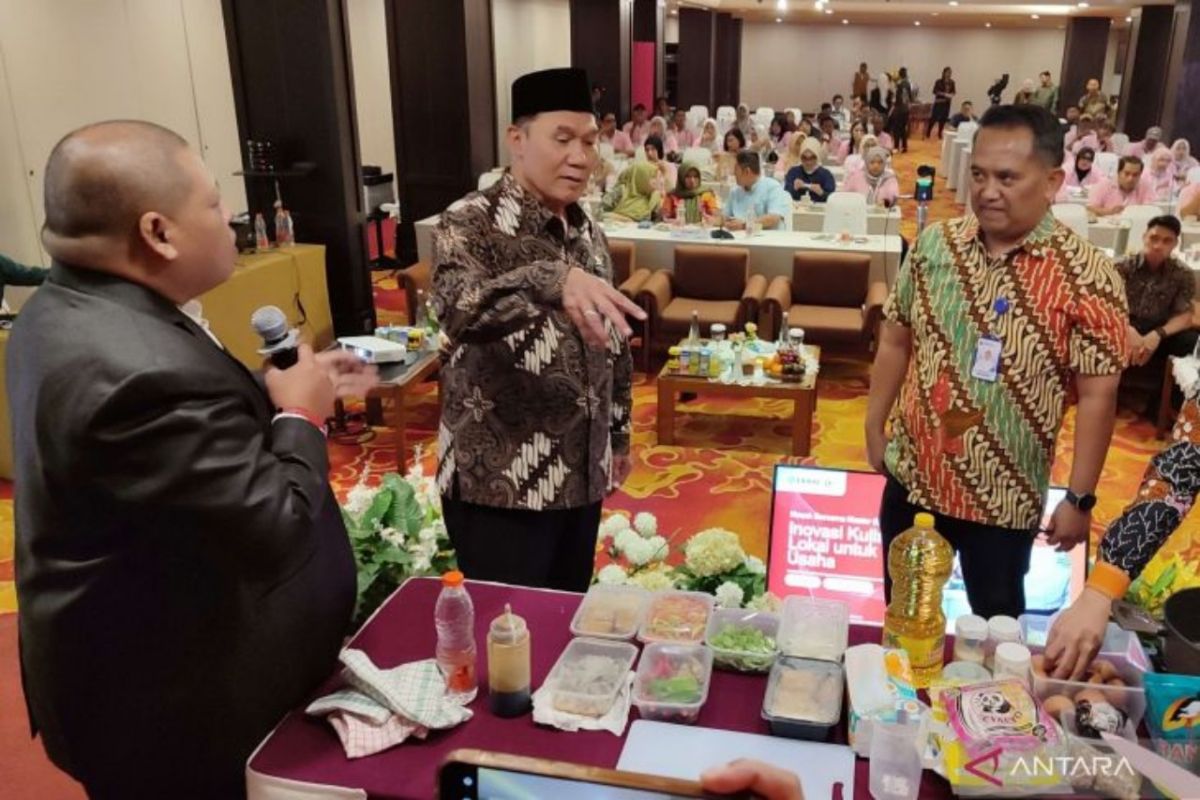
Surabaya (ANTARA) - Indonesian House of Representatives (DPR RI) member Bambang Haryo Soekartono said the culinary subsector is the biggest contributor to national creative economy revenue, followed by fashion and crafts. He said businesses needed support to improve product quality and promotion in order to expand their markets.
“Culinary is the largest. Fashion is second and crafts third. We hope participants make the most of this technical training so they can become capable entrepreneurs, starting small or medium-sized and eventually growing into major businesses in the culinary sector,” Bambang Haryo said at a culinary creative economy technical guidance session in Surabaya on Friday.
The event, initiated by Commission VII of the DPR RI and the Ministry of Creative Economy, was attended by around 70 culinary business owners in Surabaya.
Bambang Haryo, head of Commission VII’s faction group, said the culinary sector was closely connected to tourism, as the appeal of regional specialities could encourage tourist visits.
The two sectors therefore needed to support one another to strengthen regional economies.
He urged business owners to improve product quality, complete their licensing requirements, pay attention to flavour and packaging, and use digital promotion to compete in wider markets.
On financing, Bambang Haryo also encouraged micro, small and medium-sized enterprises (MSMEs) to use the People’s Business Credit (KUR) facility, which he said was available for loans of up to Rp100 million without collateral, at an interest rate of 8 per cent.
He added that the government also had an MSME Task Force to protect businesses from harmful interference by unscrupulous individuals.
Meanwhile, Amir Hamzah, secretary of the Deputy for Cultural Creativity and Design at the Ministry of Creative Economy, said efforts to develop Surabaya’s culinary sector were aimed at strengthening local brands so they could reach national and international markets.
He said dishes such as rujak cingur and spikoe were already widely known. However, stronger branding, packaging and product shelf life remained important to expanding their market reach.