
MP: Climate Change Bill Enters Cross-Sector Discussion Stage
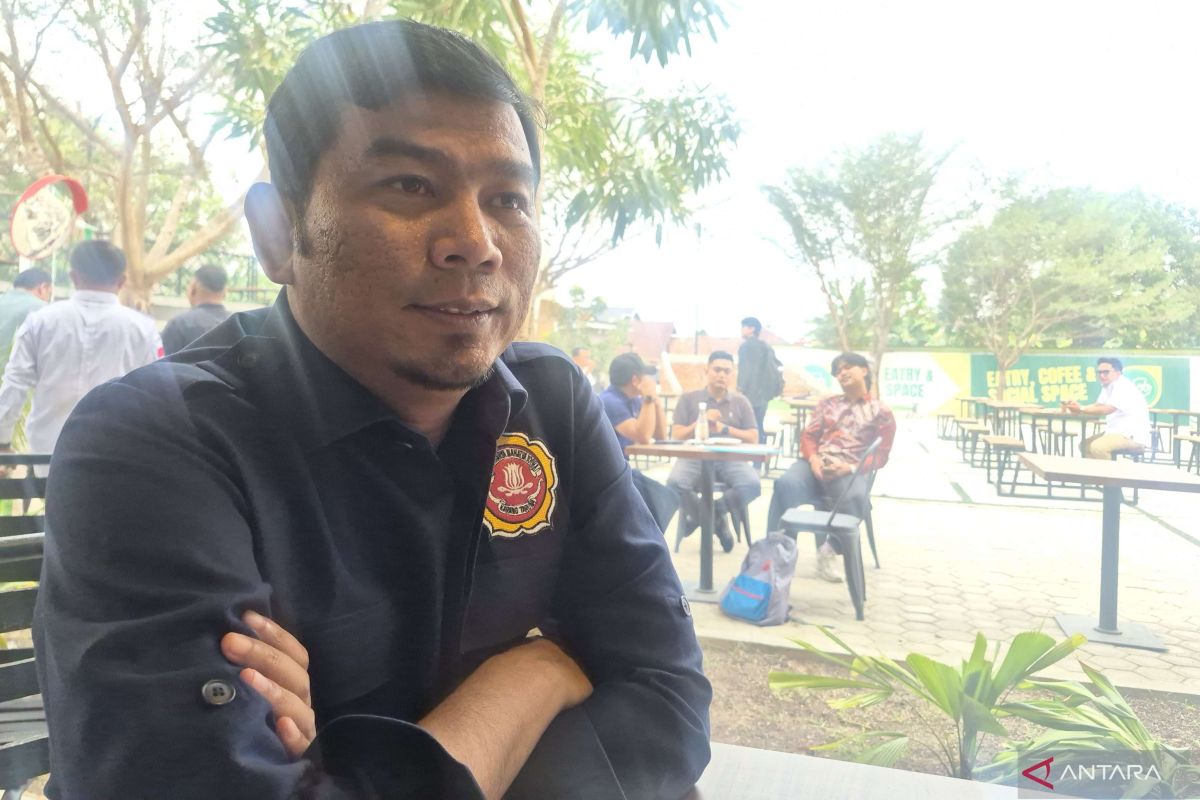
Jambi (ANTARA) – Rocky Candra, a member of Commission XII of the House of Representatives (DPR), said the Climate Change Bill is progressing and has entered discussions with various stakeholders focused on climate change.
“This climate change law will address how the government and Indonesian society should respond. We are discussing and drafting it, and holding discussions with various NGOs and organisations concerned with the issue,” he said in Jambi on Saturday.
Rocky said the bill was conceived to set the country’s direction and position on responding to the climate crisis nationally, against a backdrop of weather anomalies in several regions.
He cited forest fires in Jambi, South Sumatra and Riau, while West Sumatra has been affected by flooding.
Rocky added that in Jambi he continues to encourage the Climate Village Programme (Proklim), run by the Ministry of Environment and the Environmental Control Agency (KLH/BPLH). The initiative is one practical way to support environmental protection.
There are currently 30 climate village programmes in Jambi, which are being encouraged to adopt more environmentally friendly practices, improve waste management and take an active role in improving environmental governance.
Alongside household waste management, stakeholders are also focusing on public awareness of peatland management and the preservation of mangroves and forest areas more broadly.
“We are also raising awareness about proper peatland and mangrove management. We will promote this because Jambi Province has extensive peatlands, and mangroves must also be protected. Our forests are just as important and must be safeguarded,” he said.
Earlier, Regional Representative Council (DPD) chair Sultan Bachtiar Najamudin said that, in addition to the climate change bill, the council was focusing on several strategic issues related to the work of KLH/BPLH.
These include national waste management, the development of new and renewable energy, control of forest and land fires, and stronger climate change mitigation and adaptation.