
MP: Central Jakarta Child Persecution Case Not Ordinary Juvenile Delinquency
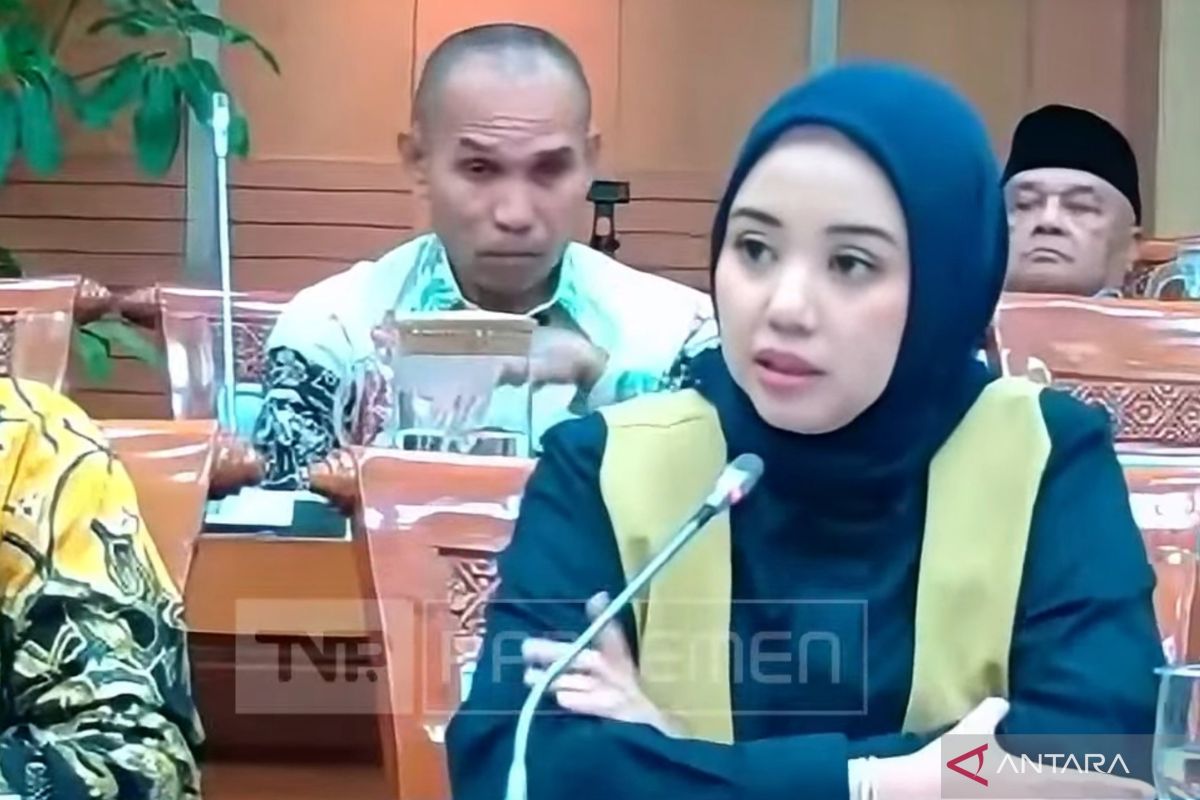
Jakarta (ANTARA) - Member of House Commission VII Dini Rahmania stated that the persecution case involving a six-year-old child in Kramat, Central Jakarta, must not be regarded as ordinary juvenile delinquency. According to her, when a person is persecuted, mobbed, and sustains serious injury or even loses their life, it constitutes an act of violence that must be firmly addressed and serve as a collective evaluation. “Bullying that is left unchecked will grow into violence. Violence that is left unchecked will produce the next victim. Therefore, the state must not only be present after there is a victim,” Dini said in Jakarta on Friday. She noted that these two incidents demonstrate that violence against children and adolescents remains a real problem in our midst. Despite differences in age and location, it signals that the nation faces a significant challenge in creating a safe environment for children and the younger generation. What makes it even more concerning, she added, is that such cases occur in large cities long associated with educational advancement, access to information, and better facilities. According to her, a city’s progress does not always align with the growth of empathy, social awareness, and respect for others. “We often take pride in building modern cities, but we must not forget to build the people. It is pointless for buildings to grow taller if our sense of humanity grows weaker,” she said. She urged local governments to strengthen preventive measures by involving schools, families, community leaders, security personnel, and child protection institutions. As a commission partnered with the Ministry of Women’s Empowerment and Child Protection (KemenPPPA) and the Indonesian Child Protection Commission (KPAI), she affirmed that issues of bullying, persecution, and violence against children will remain a focus. Amid the ongoing budget deliberations in the House of Representatives, she pushed for child protection programmes to receive adequate support, particularly for violence prevention, character education, strengthening the role of families, psychological assistance for victims, and reinforcing regional child protection systems. She said children should grow up feeling safe, not afraid. Therefore, every case of violence against children must serve as a reminder to all that child protection is not solely the government’s duty, but a shared responsibility as a nation. “Our task is not only to ensure perpetrators are punished. What is more important is to ensure no other child becomes the next victim,” she stated.