
MP: BPKH Forensic Audit Must Be Based on Urgency and Pilgrims' Interests
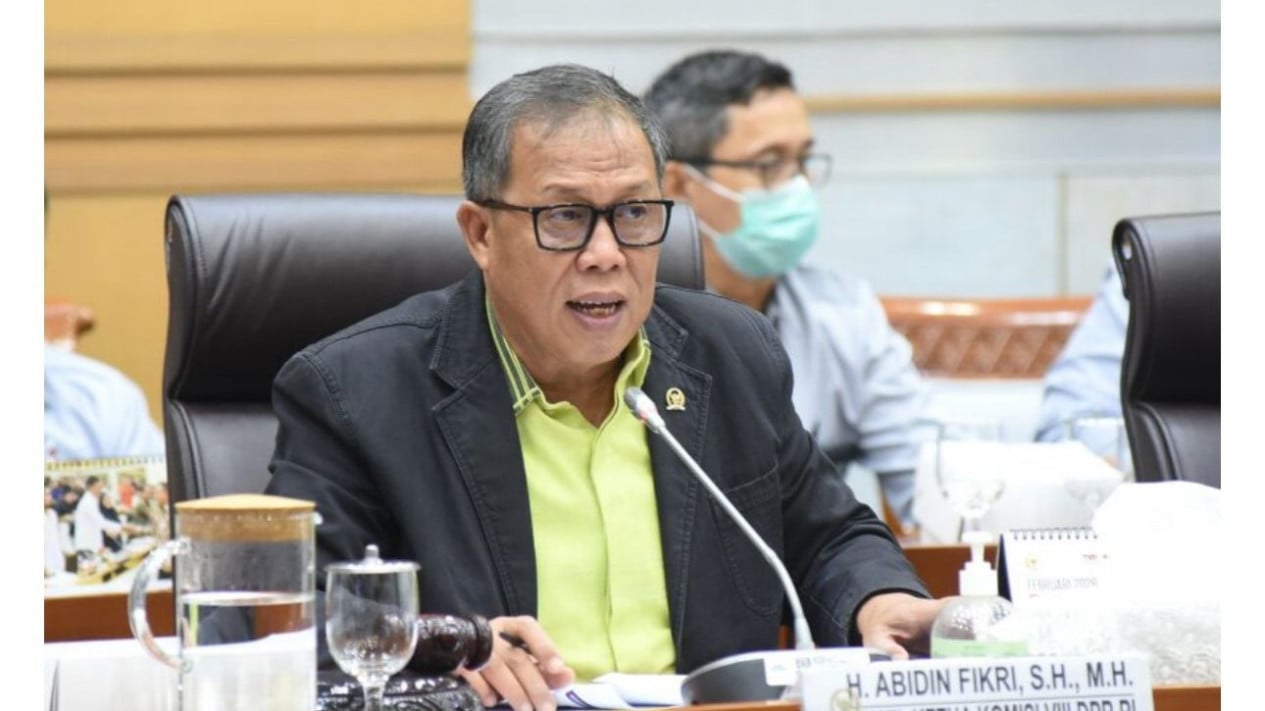
The Deputy Chairman of Commission VIII of the Indonesian House of Representatives (DPR RI), Abidin Fikri, has requested the government, specifically the Ministry of Hajj and Umrah, to openly explain the considerations regarding the urgency of a forensic audit of the Hajj Financial Management Agency (BPKH).
Abidin made this request in response to statements from the Deputy Minister of Hajj and Umrah, who previously mentioned a forensic audit of the Hajj fund management institution. Abidin emphasised that the management of Hajj funds is a public trust involving the interests of millions of prospective pilgrims. Therefore, every supervisory step must be assessed objectively.
“Hajj funds are the pilgrims’ funds, not merely financial assets. Therefore, all supervision, including forensic audits, must be directed towards strengthening public trust and ensuring fair benefits for the pilgrims,” said Abrypt Fikri at the Parliament Complex, Senayan, Jakarta, on Monday, 28 September 2026.
The politician, known for actively monitoring service readiness and the revision of Hajj financial management regulations, emphasised that Commission VIII of the DPR RI does not, in principle, reject forensic audits as a supervisory instrument. However, the mechanism must be based on facts, concrete indications, and a clear legal framework. This is essential to avoid institutional confusion or placing an undue burden on the Hajj pilgrimage process.
According to Abidin, supervision of the BPKH should not merely be reactive but must be preventive and sustainable. “The main issue is not simply who is auditing, but whether the results of the supervision answer the public’s question: are the Hajj funds managed safely, productively, transparently, and providing real benefits to the pilgrims?” he asserted.
To this end, Commission VIII will continue to oversee the improvement of Hajj financial governance through regulatory strengthening and cross-institutional coordination, including with the Ministry of Hajj and Umrah, BPKH, and the Audit Board of Indonesia (BPK) as the state auditor. It is noted that over the last eight years, the BPKH has received Unqualified Opinions (WTP) from the BPK.
During the session, Abidin also detailed five directives and requests from Commission VIII of the DPR RI to the Government in response to this controversy. First, the government is requested to explain openly to the public the underlying considerations regarding the urgency, or lack thereof, of a forensic audit of the BPKH.