
MP backs Customs in strengthening capacity to prevent drug trafficking
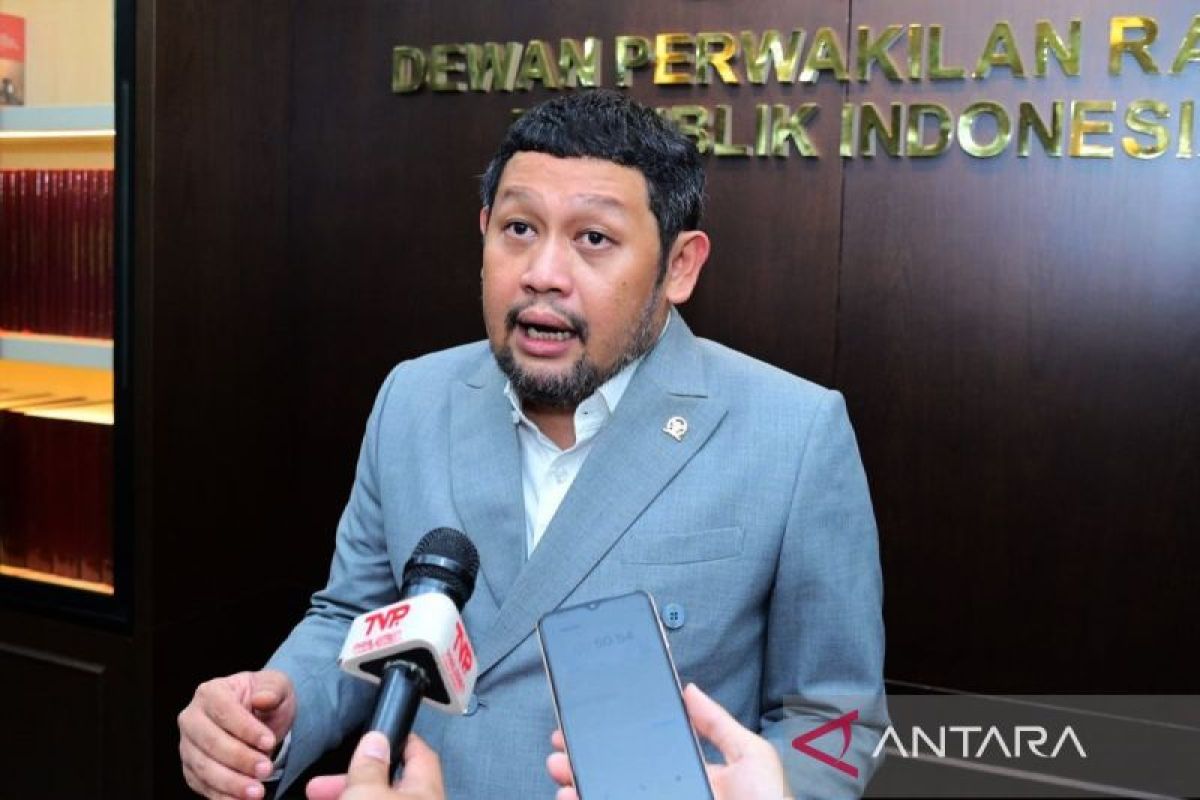
Jakarta (ANTARA) – Abdullah, a member of Commission III of the House of Representatives (DPR), has backed Jakarta Customs and the Jakarta Metro Police in tracing financial flows linked to the trafficking of narcotics and illegal prescription medicines, so that the entire criminal chain can be broken, including the suppliers and financiers.
In a statement issued in Jakarta on Friday, Abdullah also supported Customs in strengthening surveillance, intelligence, patrols and enforcement, backed by adequate personnel and technology.
This reinforcement is needed to prevent narcotics and illegal medicines from entering the country and to detect suspicious distribution routes.
“Co-operation and coordination between the Jakarta Regional Office of Customs and the Jakarta Metro Police must continue to be strengthened to uncover various crimes, not only the production and distribution of illegal medicines but also narcotics,” Abdullah said.
He called on Jakarta Customs and the Jakarta Metro Police to work more closely to combat the trafficking of narcotics and illegal medicines.
Enforcement must not stop with manufacturers, couriers or dealers, he said, but should extend to uncovering financiers and tracing the proceeds of crime.
Abdullah said co-operation between the two institutions was important to break the drug supply chain and prevent the health, social and economic harm caused by drug abuse.
Customs has a strategic role in monitoring the movement of goods from abroad, while the police can follow up on its findings through investigations and case development.
He said effective monitoring and enforcement could reduce potential losses to the state, including the costs of treating and rehabilitating communities affected by drug abuse.
He also urged Customs and the National Police to investigate the networks behind these crimes. Identifying manufacturers and dealers, he said, must be followed by tracing those financing illegal activities and the movement of criminal proceeds.
“The network must also be traced through to the financiers and the flow of money, so that the entire criminal chain can be exposed and broken,” he said.
Echoing Abdullah, Henry Yosodiningrat, chairman of the National Anti-Narcotics Movement (Granat), praised co-operation between Jakarta Customs and the Jakarta Metro Police in uncovering the smuggling and illicit distribution of narcotics and medicines.
Henry said co-operation across institutions was a strategic necessity in confronting increasingly organised drug crime involving transnational networks.
Customs, he said, was on the front line of monitoring goods moving through ports, airports and international shipping routes.
He stressed that combating drugs could not rely solely on enforcement after prohibited substances had reached the public.
The state needs to strengthen early detection so that smuggling can be stopped before narcotics reach dealers and users.
However, he cautioned that success in tackling drugs should not be measured solely by the volume of seized evidence or the number of suspects arrested.
Authorities must be able to dismantle networks in full, from couriers and dealers to major traffickers, financiers, distribution controllers and anyone providing protection, if their involvement is proven.
Henry also called for the application of the Anti-Money Laundering Law where evidence meets the legal requirements.
Financial investigations are important to cut off the funding that sustains the operations of drug syndicates, he said.
He also urged authorities to take firm action against officials or other individuals proven to have acted as protectors, facilitators or members of drug-trafficking networks.
Henry said he hoped co-operation between Jakarta Customs and the Jakarta Metro Police would be strengthened through intelligence sharing, joint operations and surveillance of vulnerable smuggling routes.
He said tackling drugs required an integrated effort by all state institutions, as the consequences extended beyond law enforcement to public safety, the wellbeing of young people and the nation’s future.
Earlier, the Jakarta Metro Police’s Narcotics Investigation Directorate and the Jakarta Regional Office of Customs uncovered an alleged case involving the illicit distribution of tramadol and trihexyphenidyl, illegal medicines originating from Surakarta, Central Java.
The operation began with information from the Jakarta Regional Office of Customs, which was then developed by the police.
Officers seized 7,862,500 tramadol and trihexyphenidyl tablets, as well as 69,272.5 kg of raw materials that were estimated to be capable of producing 492 million tablets.
Customs said it remained committed to strengthening co-operation with law enforcement agencies to prevent the distribution of dangerous goods and protect the public from the effects of illegal drug abuse.
Source: jawawa.id (https://jawawa.id/newsitem/mp-backs-customs-in-strengthening-capacity-to-prevent-drug-trafficking-1792760139)
Originally published by Antara (Indonesian) (https://www.antaranews.com/berita/5807955/anggota-dpr-dukung-bea-cukai-perkuat-kapasitas-untuk-cegah-narkoba), translated from Indonesian