
MP: B50 Mandate is the Right and Visionary Policy Amid Global Energy Dynamics
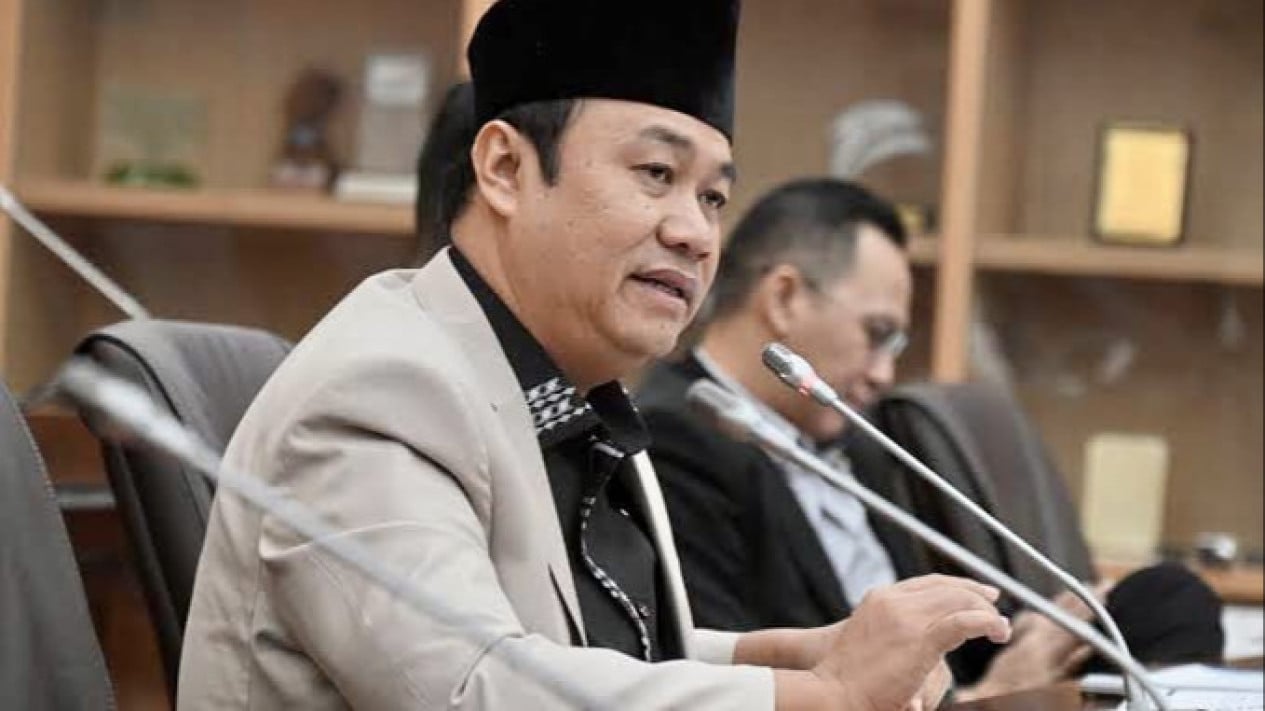
Jakarta – A member of Commission VII of the Indonesian House of Representatives from the Golkar Party faction, Yulisman, has expressed his support for the government’s efforts through the Ministry of Energy and Mineral Resources (ESDM) to accelerate the implementation of the B50 biodiesel mandate as part of a strategy to strengthen national energy resilience and independence amid global energy dynamics.
According to Yulisman, the B50 mandate policy is a strategic step that not only addresses the challenge of dependence on fuel imports but also serves as a concrete response from the government in facing uncertainties in global energy supply and prices due to geopolitical factors.
“The B50 mandate is the right and visionary policy. Amid global energy dynamics, Indonesia needs to strengthen its domestic-based energy foundation so as not to be vulnerable to external shocks,” Yulisman stated in his remarks on Monday, 6 April 2026.
He explained that with the increase in biodiesel blending to 50 percent, the national fossil diesel requirement will decrease significantly from around 35–40 million kilolitres (KL) per year to approximately 17–20 million KL.
Furthermore, Yulisman emphasised that this policy will be further strengthened by increasing national refinery capacity through the Balikpapan Refinery Development Master Plan (RDMP) project, which has the potential to bring Indonesia to a state of no diesel imports in an optimal scenario.
“This means we are not only reducing imports but also shifting the national energy structure from import-based to domestic production-based,” he asserted.
In addition, he called on palm oil-producing regions such as Riau, North Sumatra, South Sumatra, Central Kalimantan, and other areas to increase productivity sustainably to meet B50 needs, food, industry, while maintaining national export capacity.
Yulisman stressed that the B50 policy not only impacts the energy sector but also strengthens the people’s economy through increased domestic CPO absorption, strengthening of downstream industries, and market certainty for palm farmers, and it will continue to be monitored to ensure its implementation is effective, measurable, and sustainable.