
Moving Beyond the Myth of the Favourite School
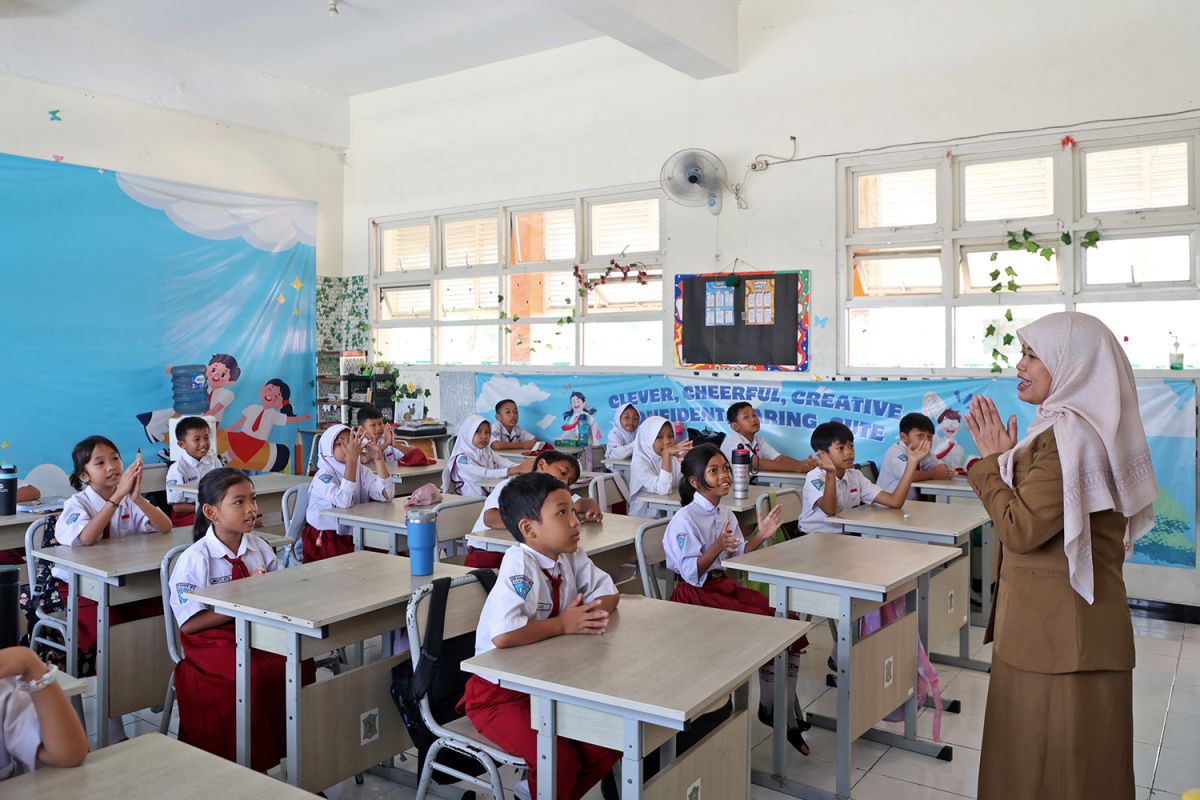
When collaboration becomes the foundation, state and private schools are no longer seen as two competing poles. The sight of parents queuing to secure a place in a state school is a recurring scene every new student admissions season. Competition is fierce, while the capacity of state schools has limits that cannot be expanded in the short term. On the other hand, there is still a perception that state schools are the only best choice, with private schools merely an alternative when that opportunity is missed. Such a viewpoint is increasingly difficult to maintain. Developments in education show that a school’s quality is no longer determined by the status of its provider, but by the quality of learning, school leadership, teacher competence, learning culture, and the ability to adapt to changing times. This phenomenon is also evident in Surabaya, East Java. After all stages of the 2026/2027 Academic Year New Student Admission System (SPMB) were completed, the Surabaya City Government reaffirmed that private schools are an important part of guaranteeing every child’s right to a quality education. The message is not merely an invitation, but a reflection of a changing educational ecosystem that is leaving behind the dichotomy between state and private. Some private schools had even closed registration before the SPMB process began because all their quotas had been met. This condition shows that public trust in private schools continues to rise alongside the presence of various flagship programmes, character building, learning innovations, and collaborations with industry and higher education institutions. This reality serves as a reminder that the measure of school quality is shifting. Parents now consider not only the school’s status but also the learning environment, safety, character building, student achievements, foreign language skills, digital literacy, and readiness for the workforce and higher education. The change in public preference is in line with the direction of national education transformation, which places students at the centre of learning. Schools are required to build an ecosystem that encourages creativity, critical thinking skills, collaboration, communication, and character building as provisions to face the challenges of the 21st century.