
Mount Ungaran Geothermal Development: Undip Highlights Emission Reduction and Sustainability
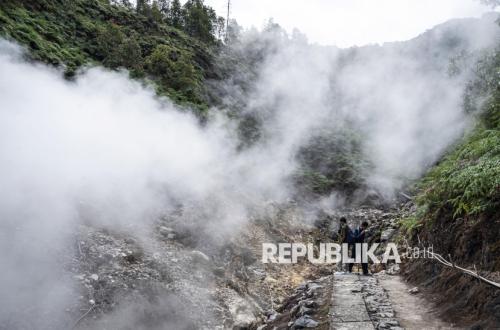
Professor Agus Setyawan, a Professor of Physics at the Faculty of Science and Mathematics, Diponeglar University (Undip), believes that the development of geothermal energy at Mount Ungaran has the potential to support emission reductions in the electricity sector while strengthening the use of low-carbon energy.
“In general, the plan to build geothermal power plants produces very low greenhouse gas emissions, such as CO2, SOx, NOx, and particulates, compared to fossil fuel-based power plants,” said Agus on Wednesday (16/09/2026).
Agus, whose expertise lies in physics, specifically geophysics and geothermal energy, explained that geothermal energy utilises heat from within the earth to generate electricity. “The characteristics of the heat source and the technology used are important factors in determining the performance of the power plant and its emission levels,” he said.
Geothermal energy, Agus continued, offers opportunities to support the use of lower-carbon energy. “This energy source can also help strengthen the diversity of electricity sources so that energy needs do not rely solely on a single type of power plant,” he added.
Agus explained that geothermal fluids originating from reservoirs can carry natural gases such as carbon dioxide (CO2) and hydrogen sulphide (H2S). “However, the amount of emissions produced can vary, depending on the characteristics of the fluid and the power plant technology used,” he noted.
Therefore, he continued, resource management is a vital part of geothermal development. “One aspect is the management of fluids that have been used in the power generation process.
“Fluids that are no longer in use will be reinjected back into the reservoir, thereby reducing the disposal of hazardous waste that damages the ecosystem,” he explained.